The Lowdown on Carbon Fiber Infrared Heating
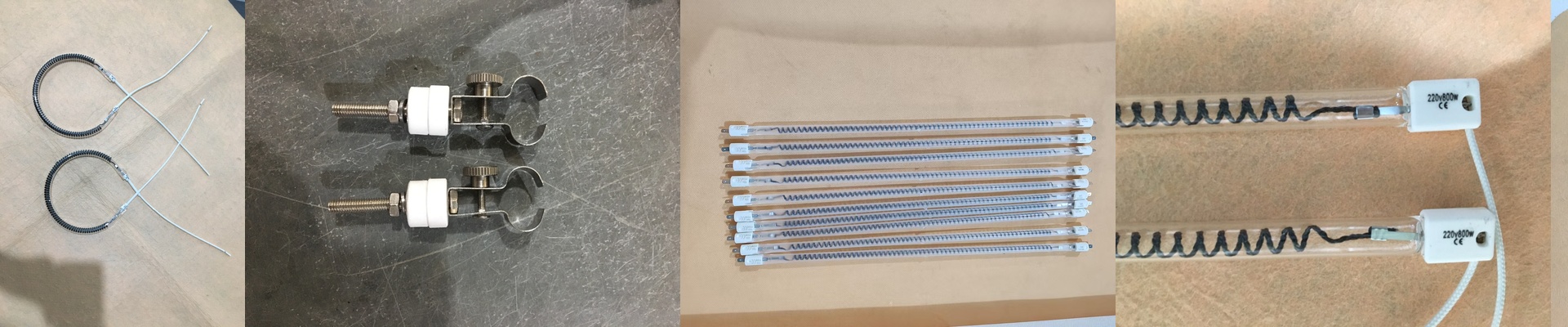
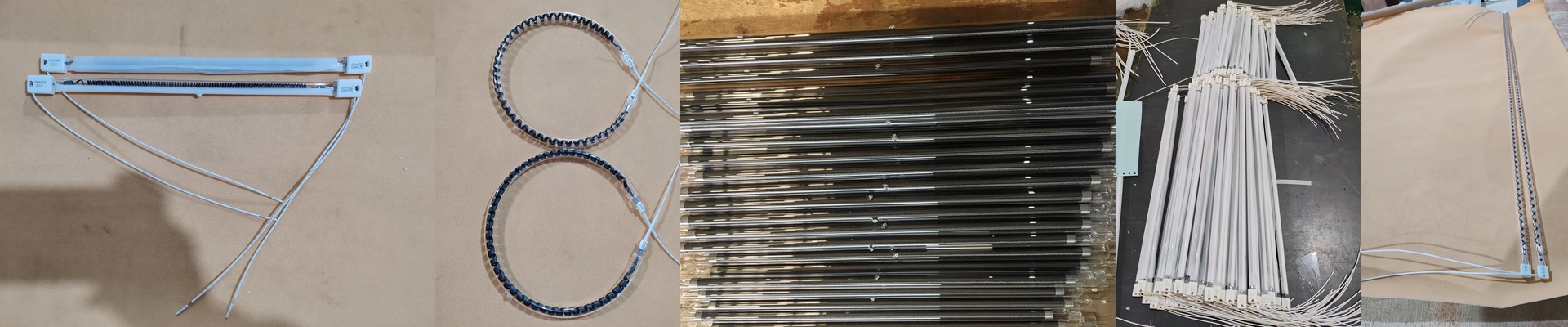
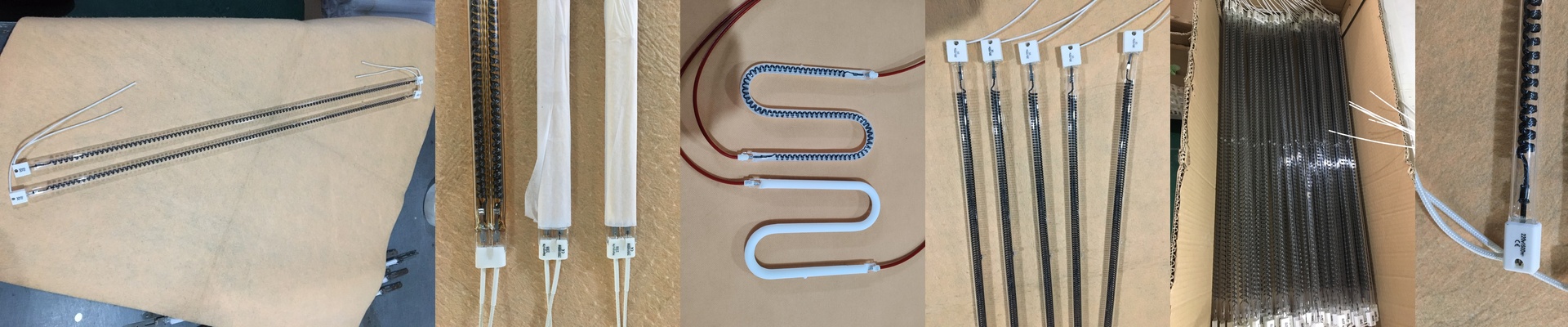
Ever wonder why some heaters hit their peak temperature almost instantly while others take forever to warm up? It usually comes down to what’s inside. Instead of using those old-school tungsten filaments, we use a carbon fiber composite core. It’s a different beast entirely. These lamps are built for those high-intensity jobs where you can’t afford to sit around waiting for things to heat up. The cool part? The element actually stays cooler than a standard coil, but it pushes out a much more concentrated blast of infrared heat.
Getting the Power Right
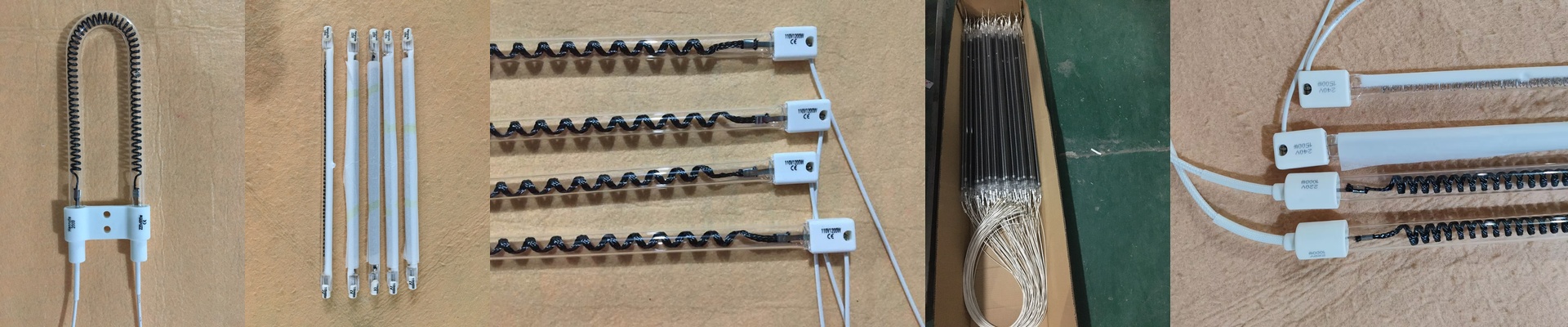
When we’re picking a lamp for a project, it’s all about the heat flux—basically, how much heat is hitting every square centimeter of your material. If you want more punch, you go with a higher wattage-to-length ratio. But here is the part where you have to be careful:your voltage must match. If you plug a 230V lamp into a 400V line, it’s over. The element will snap instantly. On the flip side, if you under-volt it, you won’t get that deep thermal penetration you need, and you’re just wasting electricity.
The Build: Quartz and Connectors
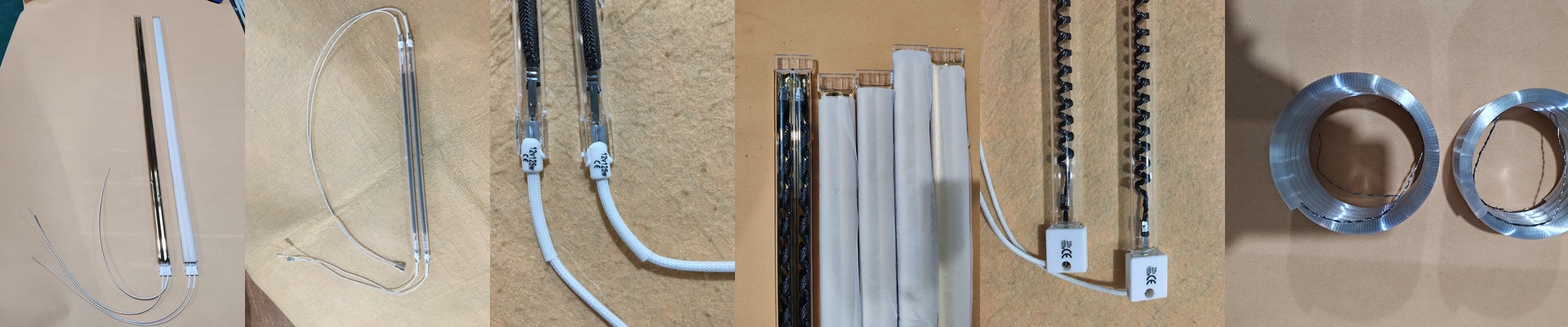
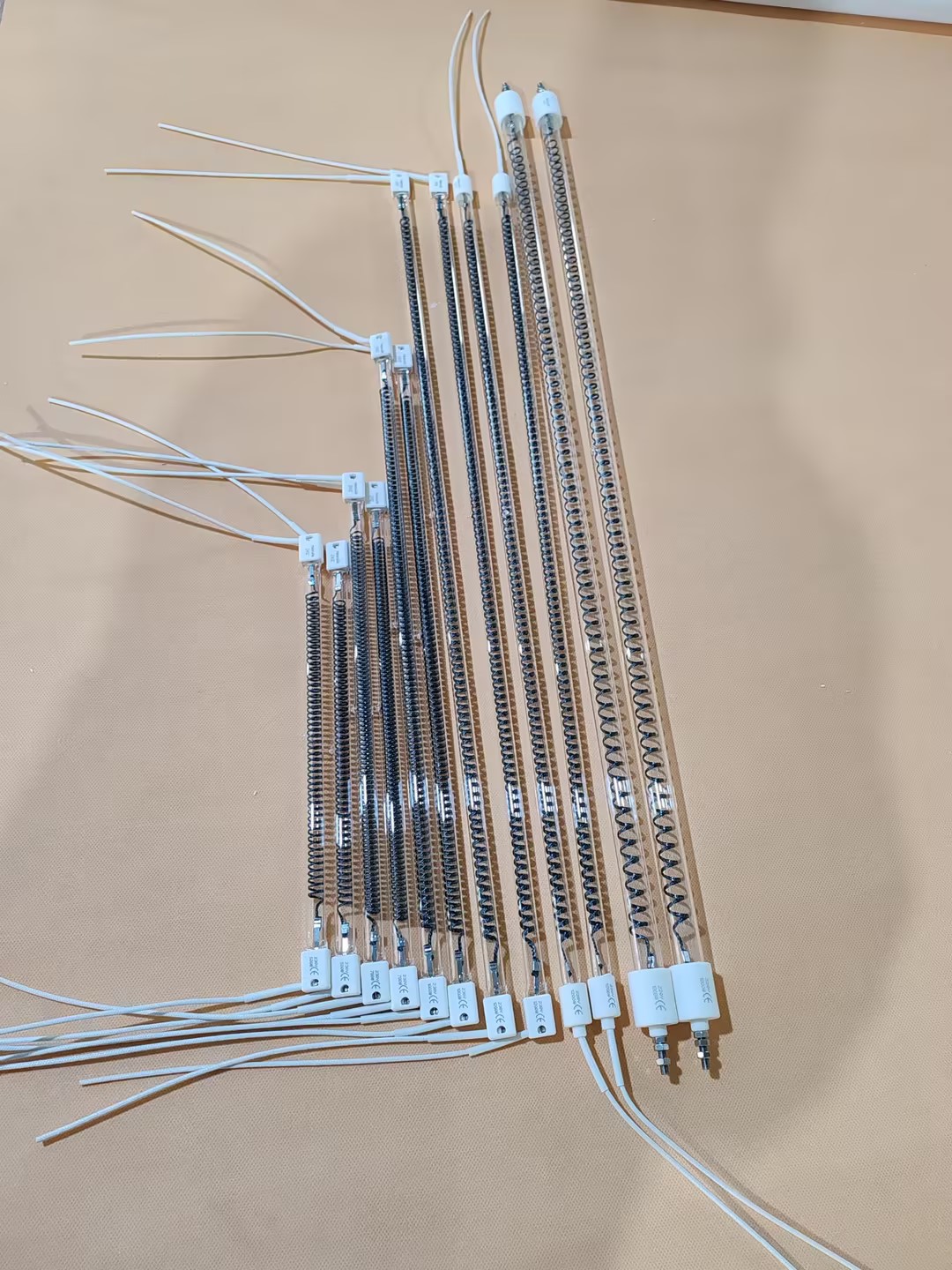
To keep the carbon from oxidizing (which would ruin the lamp), we seal the core inside high-purity quartz glass. Sometimes we add a special coating to that glass. This helps us tweak the heat spectrum or just keeps the tube from getting ruined by chemical splashes on a messy shop floor. As for the plugs, we stick with R7s or SK15 connectors. Why? Because they just work. They slide right into most industrial housings and create a tight fit. That’s important because you don’t want any arcing when you’re pulling high current.
Where This Actually Matters (And the Catch)
You’ll see these lamps doing the heavy lifting in PET blowing, paint curing, and plastic welding. Because the radiation is shortwave, it sinks into the material fast. It cuts your cycle times down significantly. It’s efficient. It’s fast. But there is a trade-off. All that concentrated heat creates a massive thermal footprint. You can’t just slap these in and forget about them. You need to make sure your cooling fans and housing materials can actually handle the ambient heat. If your ventilation is weak, the heat just soaks back into the housing and kills the quartz seal. Plan for the airflow, and these things will last.