Getting Carbon Fiber Heating Right
Ever wonder how carbon fiber filaments actually work? It’s pretty simple: we run an electrical current through the fibers, and they turn that energy into far-infrared heat. The cool part is that carbon fiber doesn’t act like those old-school metal alloys. It doesn’t expand and shrink nearly as much when it gets hot, and it gives you way more “bang for your buck” when you look at the weight versus the resistance.
The Balancing Act: Power and Heat
When we design these, we’re basically playing a game of math with voltage and wattage. If you want the heat to hit hard and fast, you bump up the wattage per meter. But here’s the catch: you’ve got to make sure your controller is on the same page. If you shove too much current through a thin filament, you’ll get these nasty hotspots. Before you know it, the fiber structure just gives up.
What’s Under the Hood?
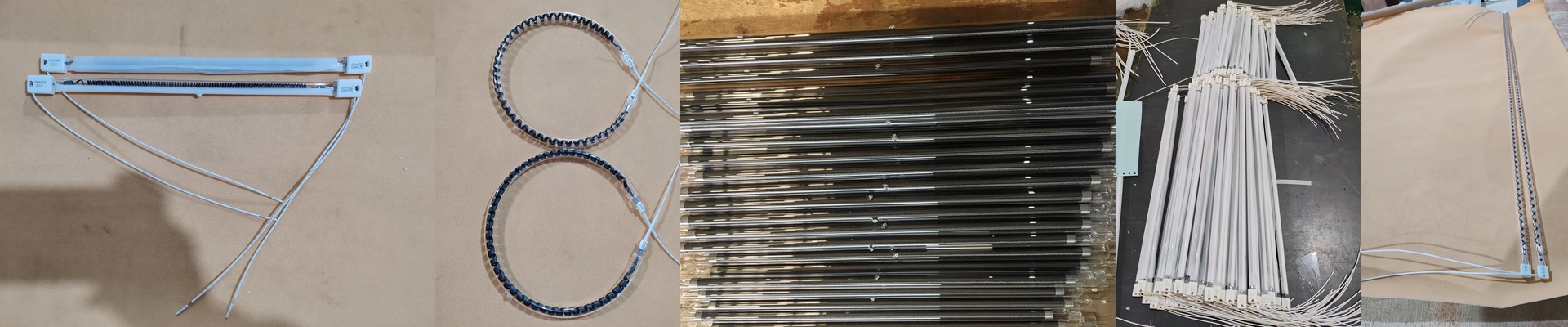
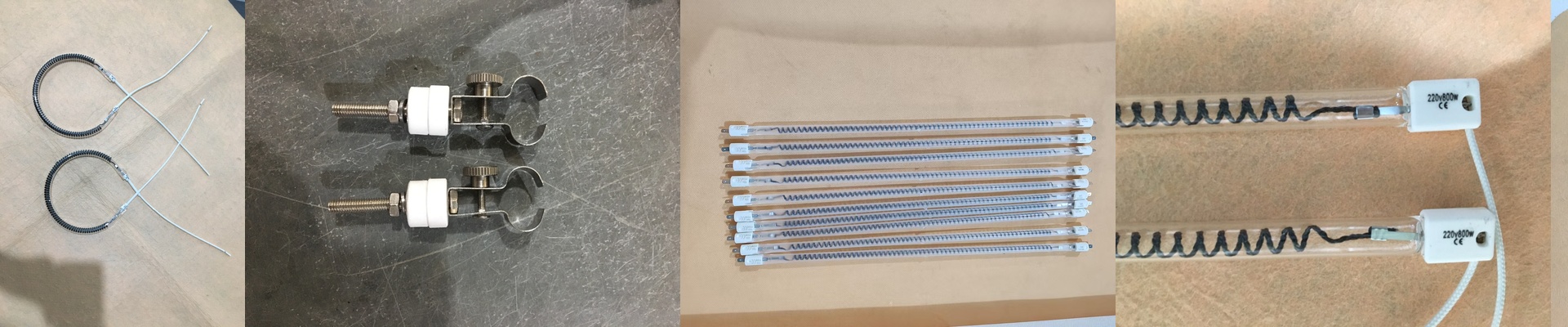
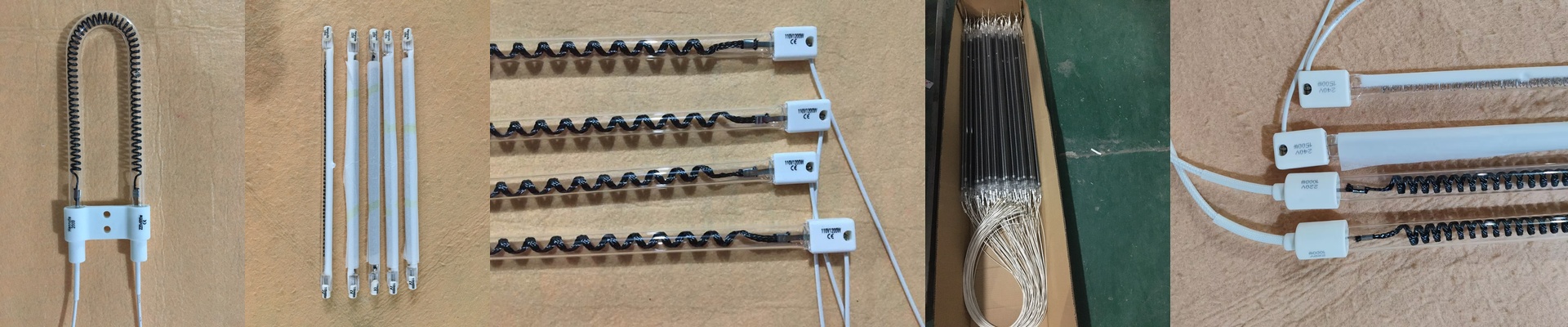
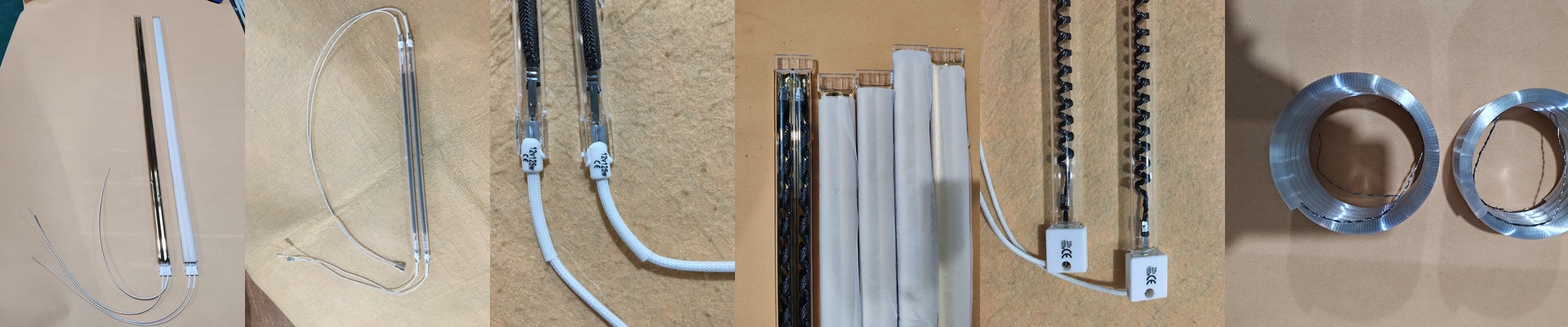
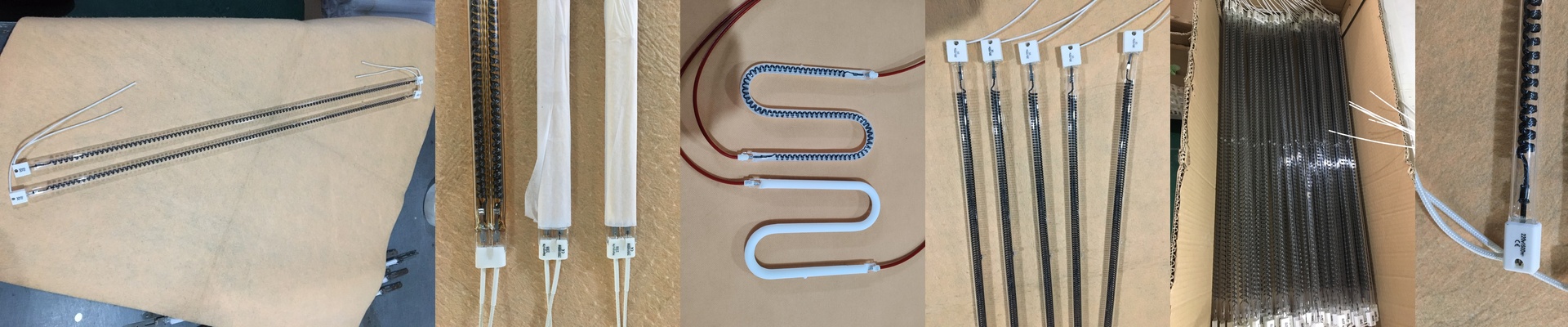
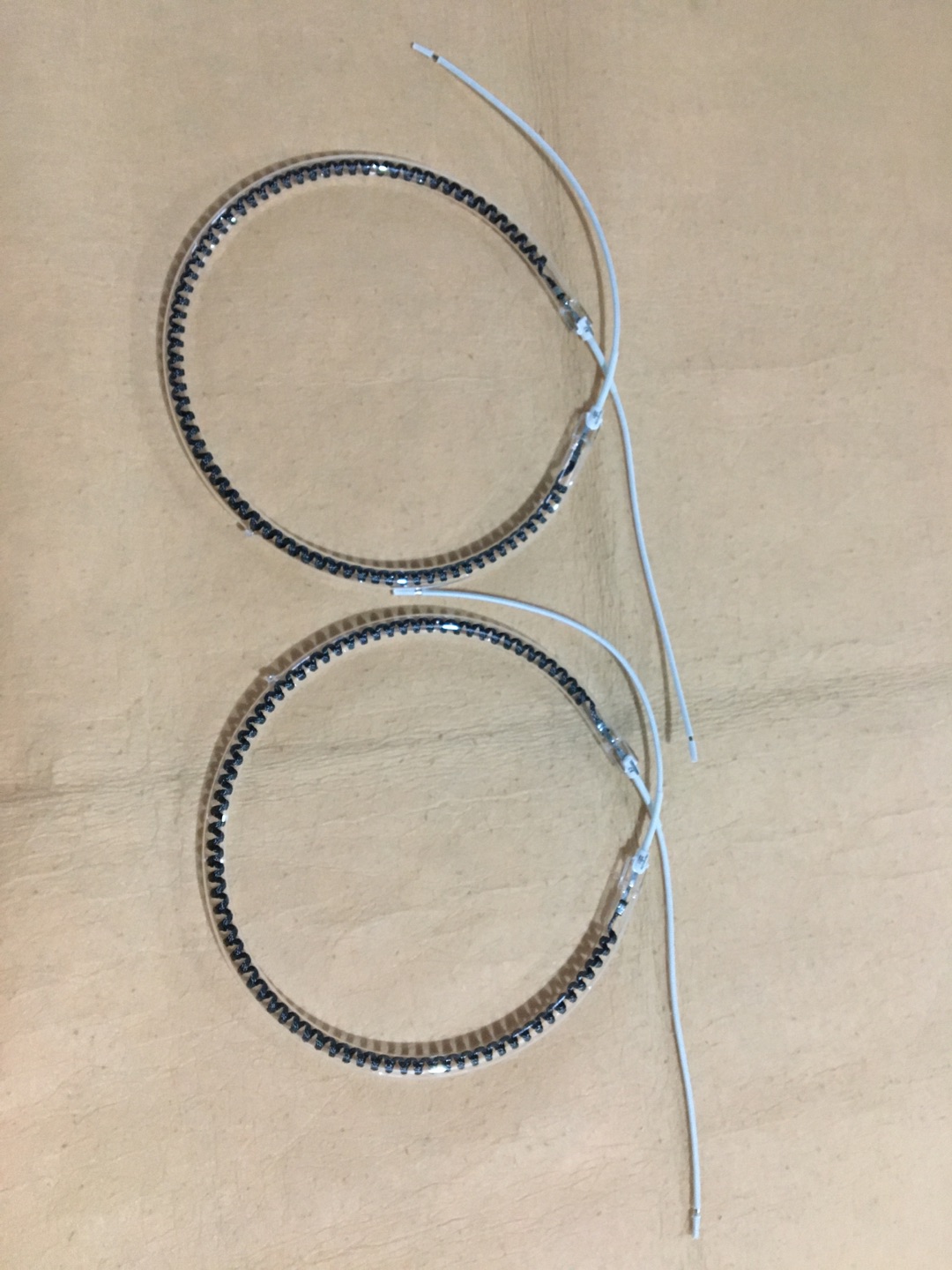
Inside, you’ve got bundles of carbon fiber. To keep them from oxidizing or snapping, we wrap them in a protective sleeve—usually a polymer or silicone. This is what makes them so handy. You can coil them or lay them flat, and they just go with the flow. The real secret, though, is in the connection. Joining carbon fiber to copper lead wires is tricky. If the crimp or solder joint is sloppy, you get a high-resistance spot. And that’s exactly where the element will fail.
Making it Work in the Real World
These are a dream for anything that needs wide, even heat. Think textile drying or those medical warming pads. You don’t get those annoying “hot spots” you find with wire-wound heaters. It just feels… consistent. But a word of warning:be gentle with the bends. Carbon fiber hates being kinked. If you fold it too sharply during install, you’re creating a bottleneck of resistance. It’ll overheat in that one spot and eventually snap. Just give it a bit of breathing room—keep your bend radius wide—and it’ll keep humming along for a long time.