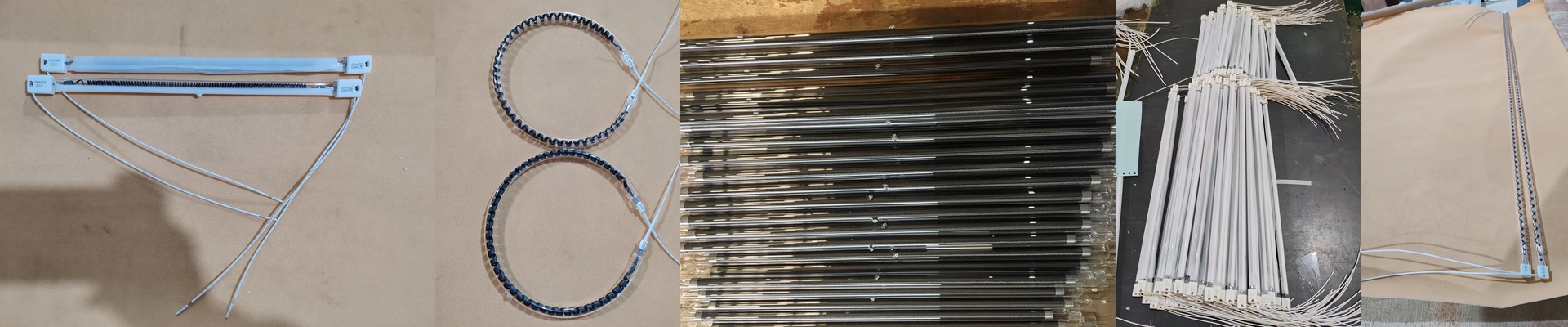
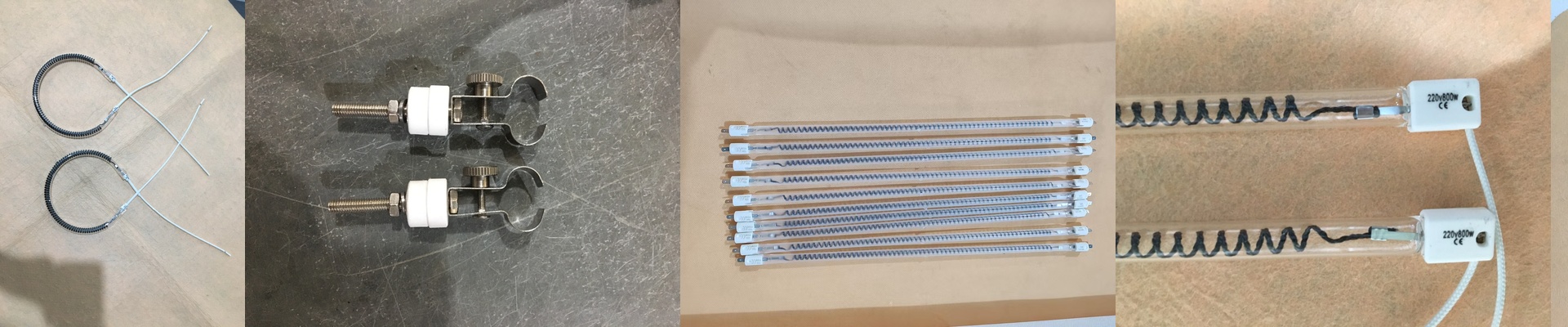
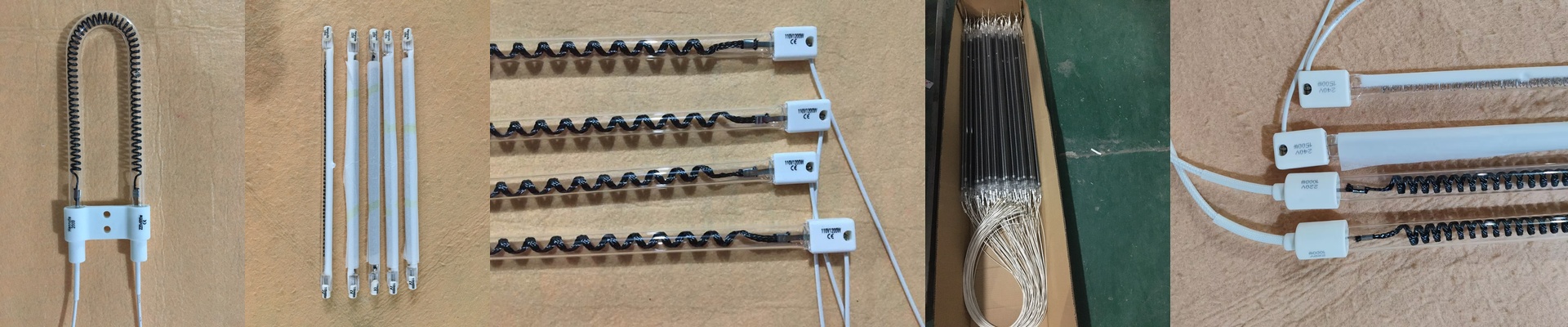
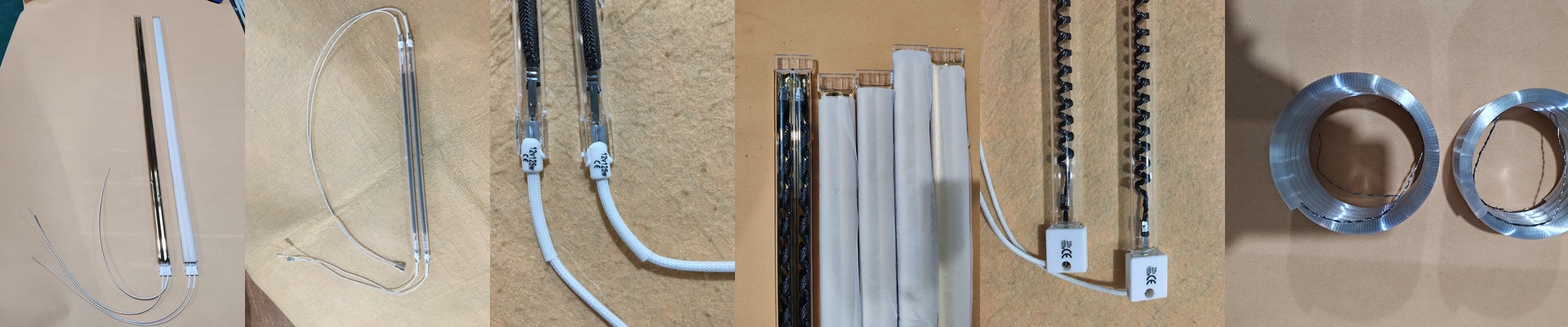
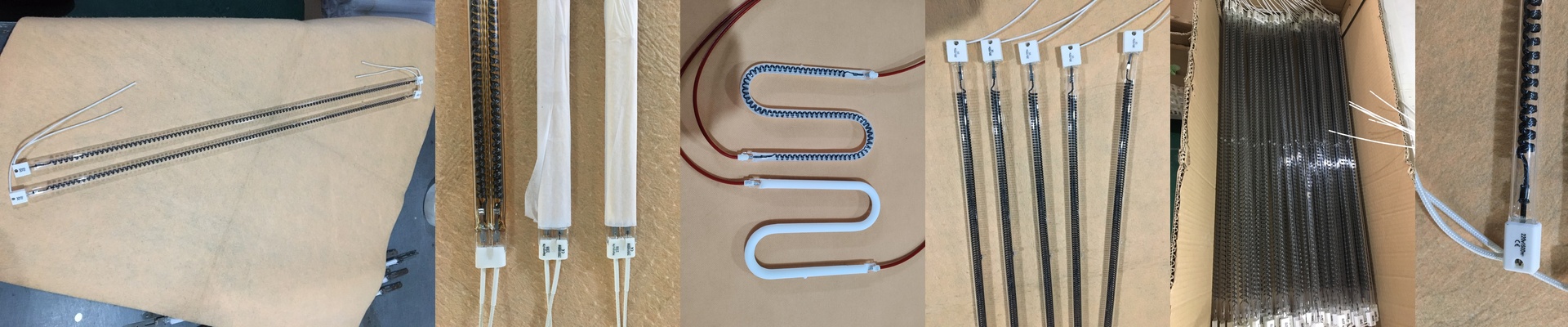
Let’s Talk Carbon Fiber and Quartz IR Heaters
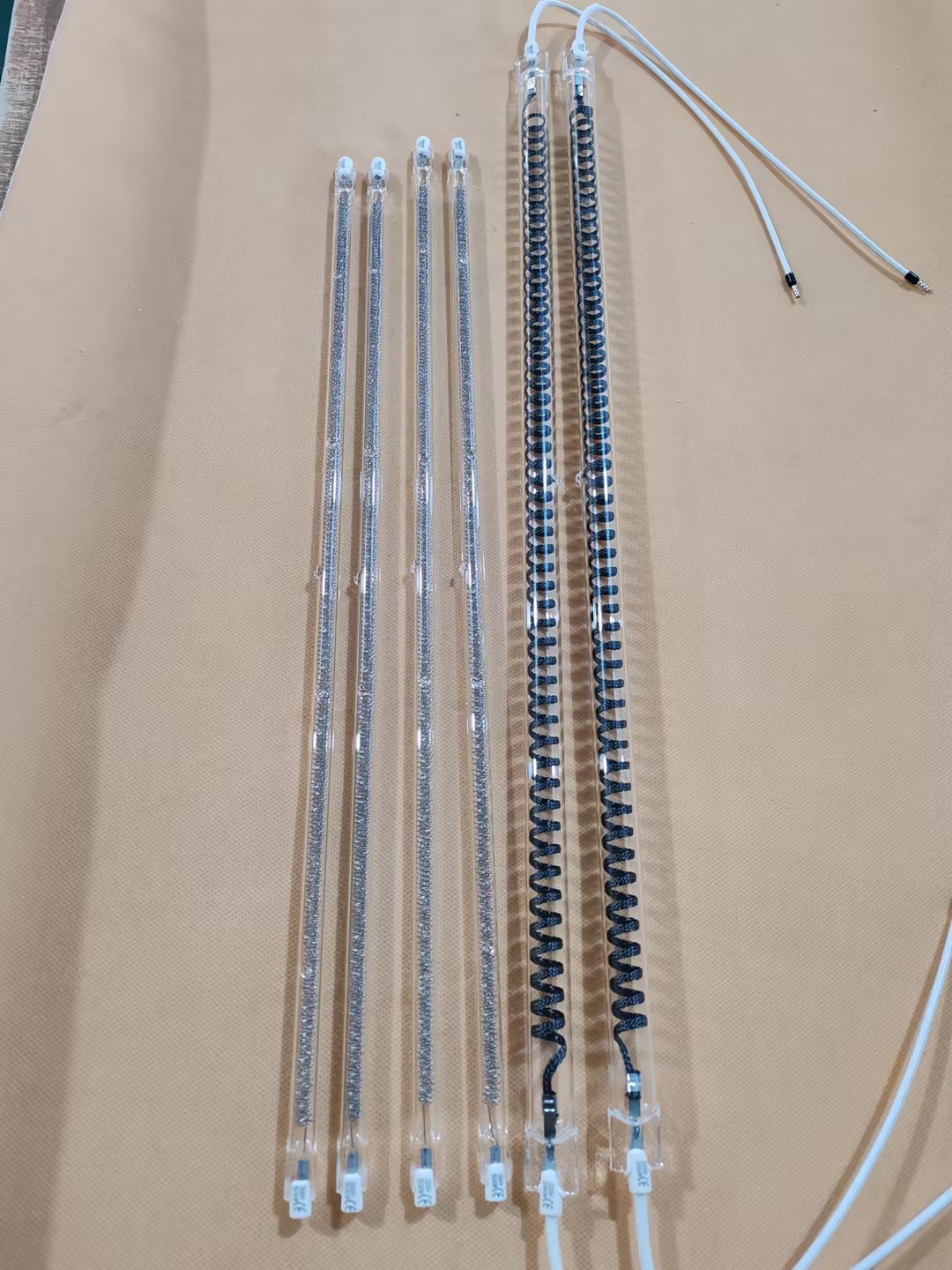
If you’re picking out IR heating lamps, you’ll notice we mostly work with two things: carbon fiber filaments and quartz tube enclosures. Now, these aren’t just interchangeable parts you can swap on a whim. Depending on how much heat you need and how fast you need it to hit that temperature, you’ve got to pick the right one for the job. The science bit (kept simple) There’s a reason quartz tubes are everywhere. They let infrared light pass through easily and they don’t freak out when the temperature swings wildly. But when we put a carbon fiber element inside those tubes, the heat behaves differently than it does with old-school tungsten. You get a broader spectrum of heat, and the best part? It warms up fast. Really fast. Where things usually go wrong Here is the thing: most engineers trip up when they try to match voltage and wattage to the length of the tube. If you cram too much wattage into a short tube, you create a massive amount of heat density. That puts a ton of stress on the quartz. If you don’t account for how that heat escapes into the surrounding housing, your lamp is going to burn out way sooner than it should. We make these in a bunch of different lengths to fit your machine. Whether you’re using a standard R7s or a specialized SK15 connector, make sure those contact points are tight. A loose connection at high current is just asking for arcing and melted sockets. Not a great look. The real-world trade-offs You’ll see these lamps all over PET blowing and industrial drying. Carbon fiber is a dream for rapid heating, but it doesn’t always hit those crazy peak temperatures that halogen-filled lamps do. You’re basically trading a bit of top-end heat for a faster response and a filament that lasts longer. For most people, that’s a trade they’re happy to make. One last pro tip Quartz is fragile. I mean really fragile. If you leave fingerprints or a smudge of oil on the tube while you’re installing it, you’ve just created a hot spot. Once that lamp hits full power, that tiny spot will cause the glass to crack. Do yourself a favor: grab some alcohol and wipe the tubes clean before you slide them into the reflectors. It takes ten seconds and saves you a massive headache later.