The Lowdown on Carbon Fiber Infrared Tubes
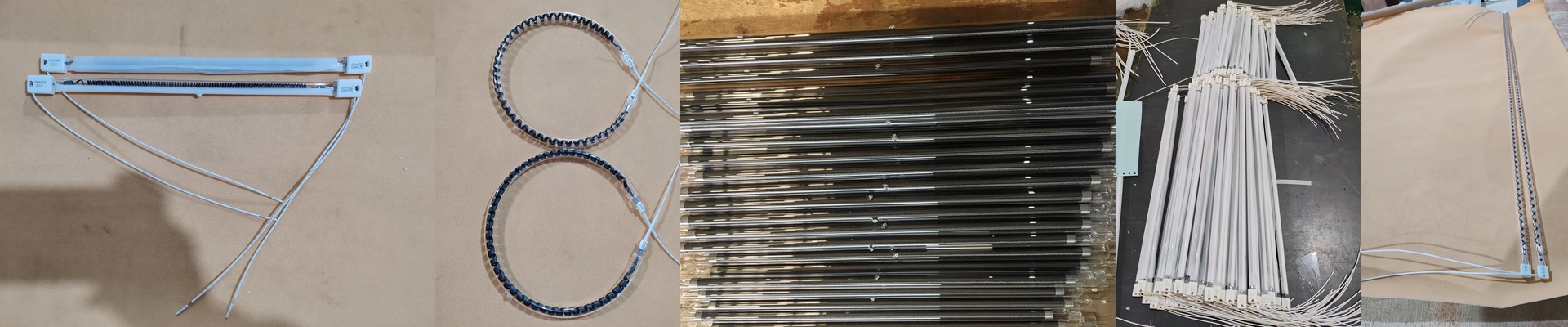
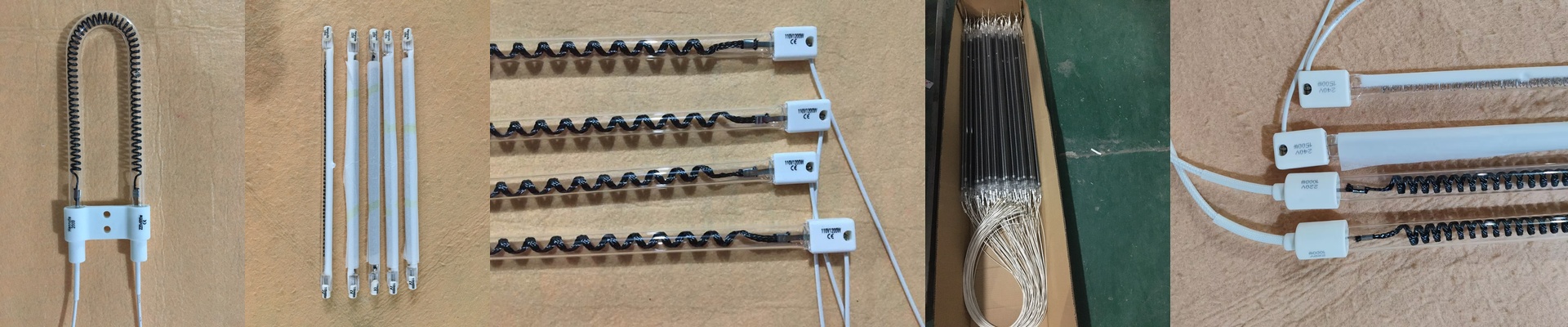
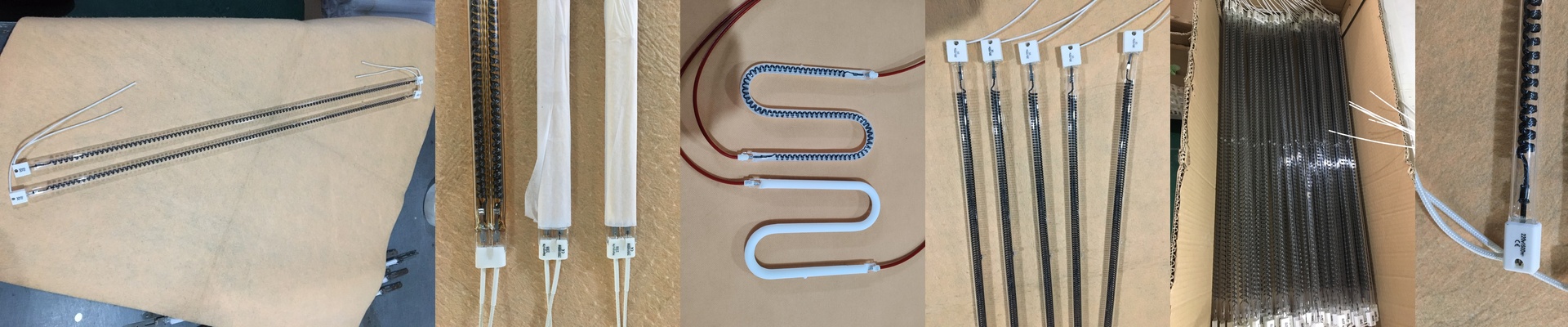
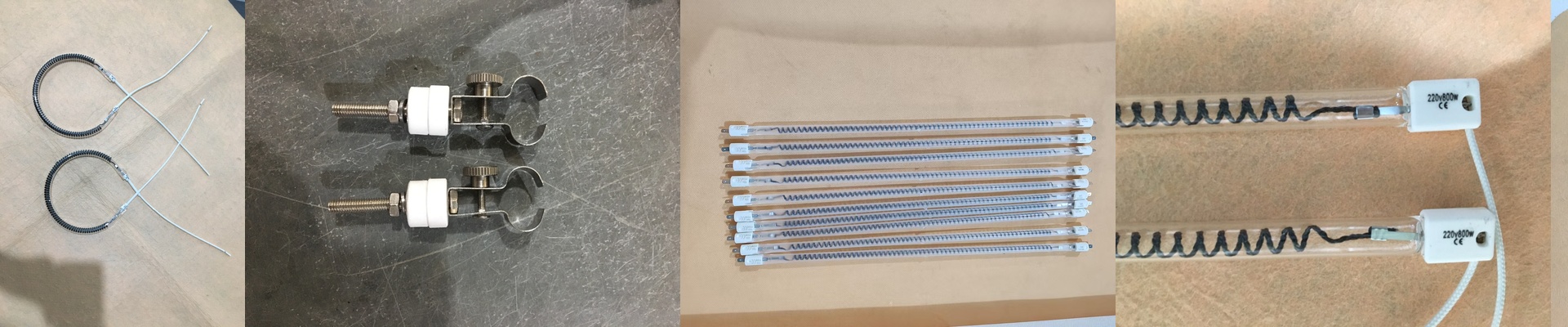
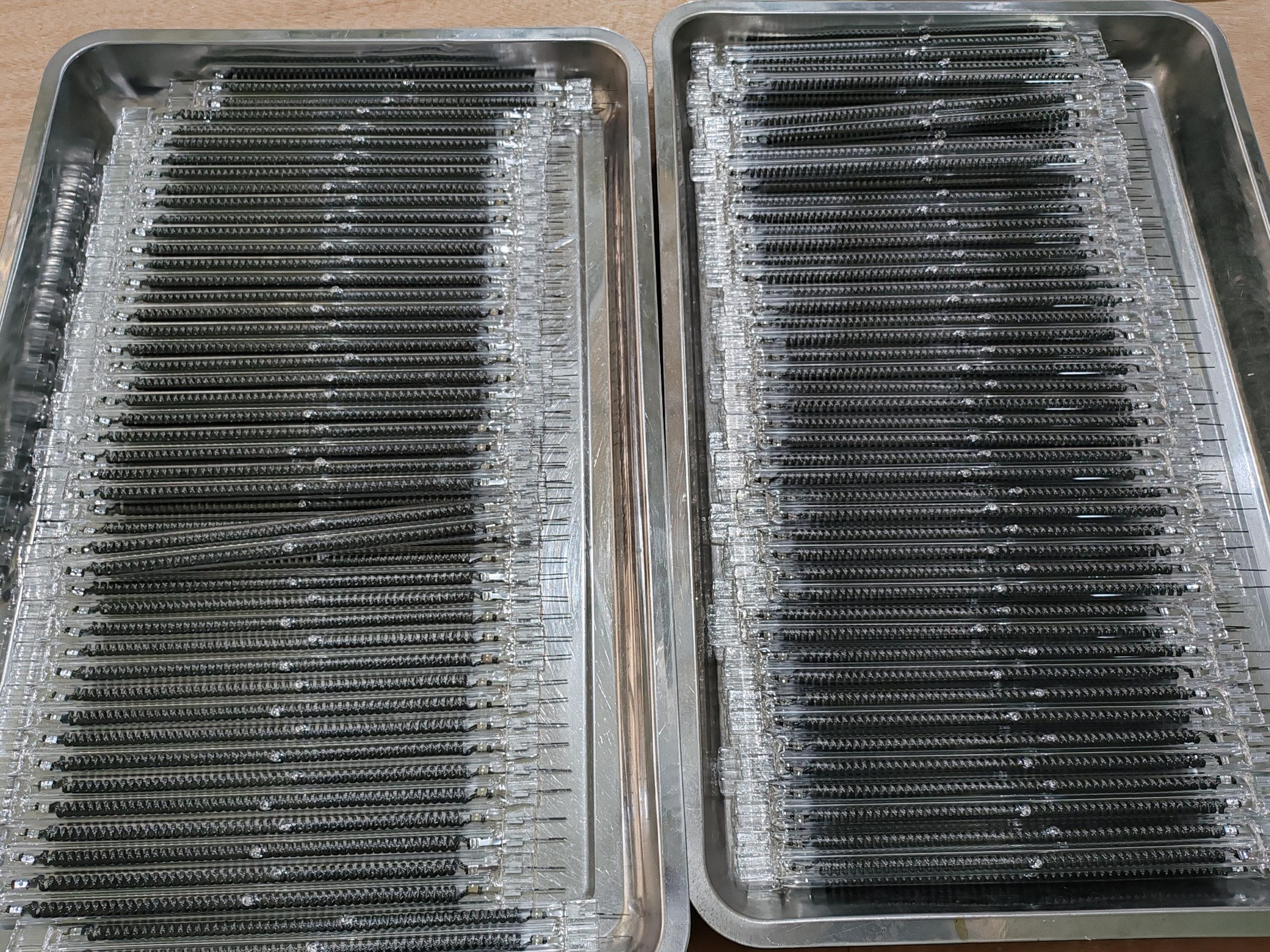
Ever wonder why some outdoor heaters feel like a warm hug the second you flip the switch, while others take forever to get going? It usually comes down to what’s inside the tube. We use carbon fiber filaments tucked inside a quartz glass shell. It’s a bit different from those old-school metal coils. Carbon fiber can handle a lot more current and puts out a specific kind of medium-to-long wave heat that’s just right for a chilly patio.
Heat that hits instantly
Here’s the best part: there’s almost no waiting around. Because carbon fiber doesn’t hold onto “dead weight” heat the way nichrome wire does, these tubes snap to temperature almost immediately. You hit the button, and you feel the warmth. Simple as that. Now, if you’re looking at power output, it’s mostly a game of length and voltage. More wattage per centimeter means a more intense heat. But a word of advice—make sure your housing can breathe. If the end caps get too hot and can’t dissipate that energy, you’ll burn out your seals.
What they’re actually made of
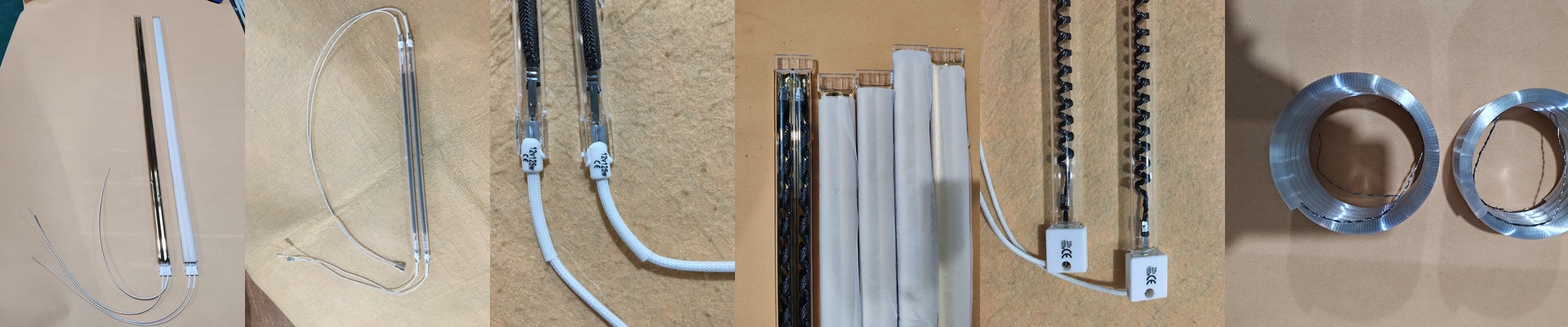
Inside that clear tube is a weave of carbon fibers. We wrap them in high-purity quartz because it’s basically invisible to infrared rays. The heat just slides right through the glass without getting trapped. For most of you, these are just plug-and-play. You swap them out in the field and you’re back in business. But if you’re building something custom, be careful with your measurements. You want the quartz to fit snugly in the reflector so it doesn’t rattle, but give it a tiny bit of breathing room. Glass expands when it gets hot. If it’s too tight, it’ll crack.
Real-world use (and the catch)
These things are built for the elements. The magic is that they warm people, not the air. If you’ve ever tried to heat a windy deck with a space heater, you know that’s a losing battle. Radiant heat is the only way to stay cozy when there’s a breeze. But look, there is a trade-off. Carbon fiber is a bit more fragile than metal. If something heavy hits that quartz tube and snaps the fiber, the whole thing is toast. It’s an instant kill. Do yourself a favor: put a sturdy grill or a guard over the glass. It’s a small detail that saves you from buying a replacement tube way sooner than you should.