Getting the Most Out of Your 1000W Carbon Fiber IR Lamp
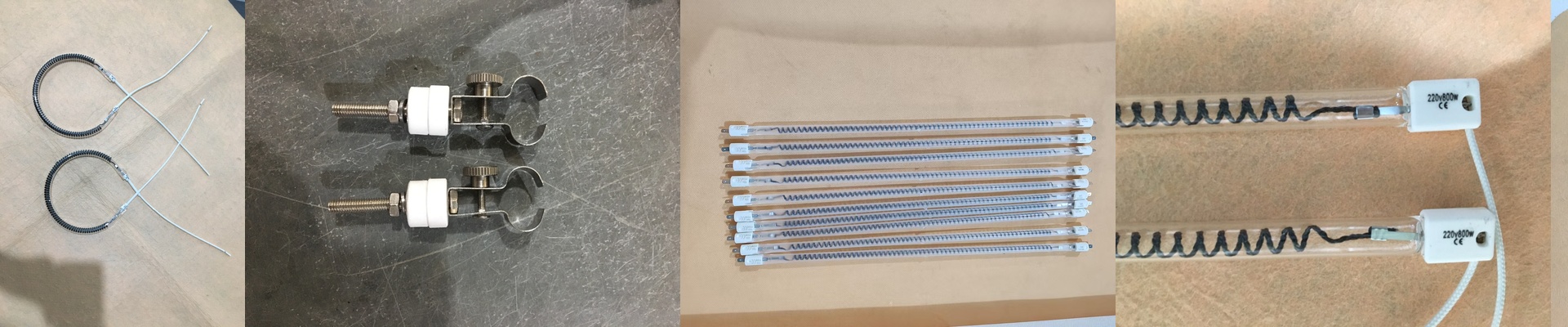
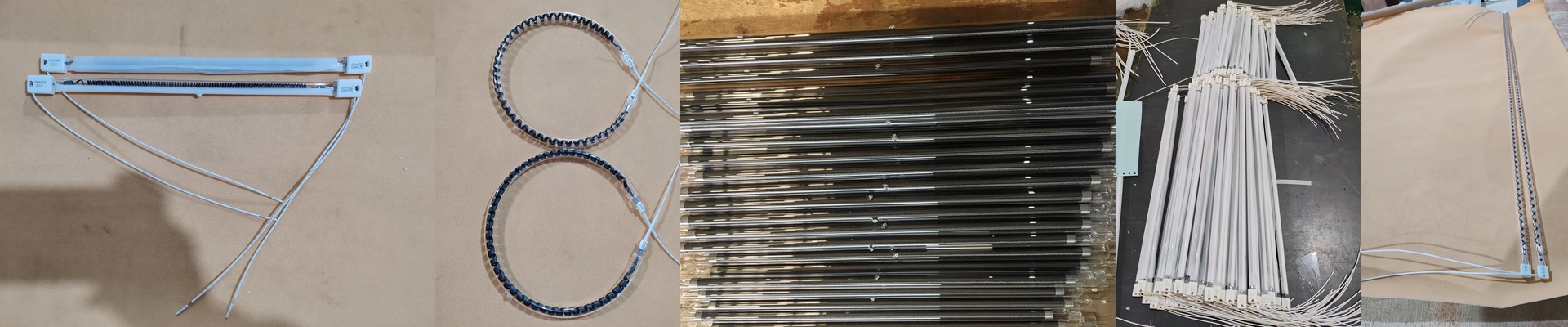
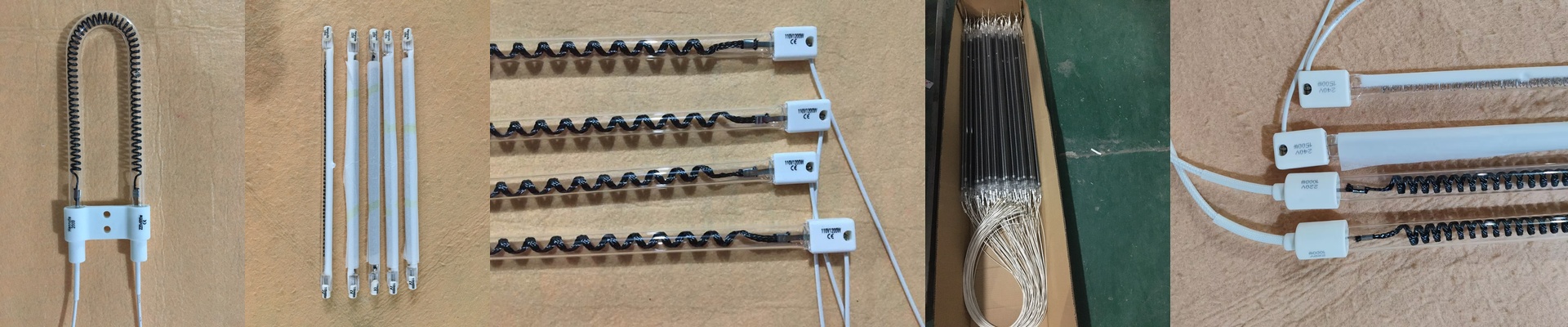
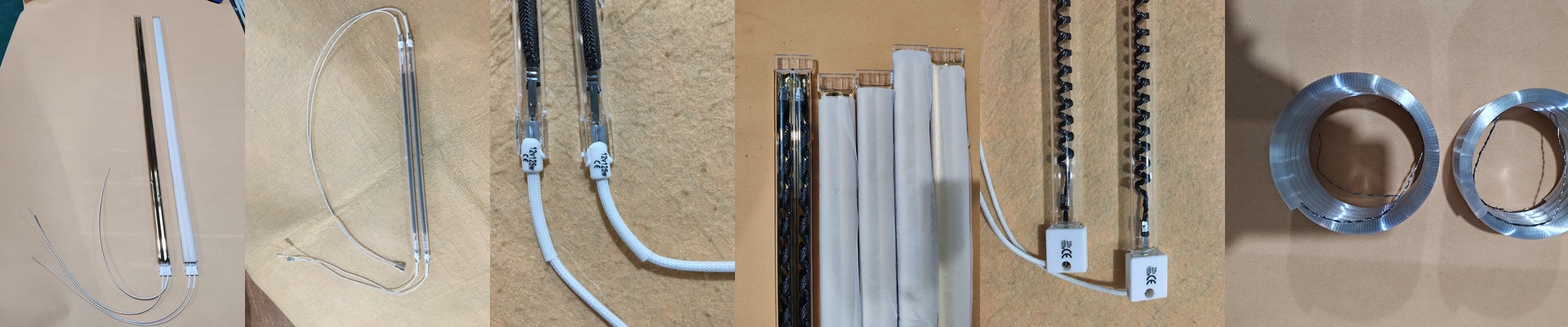
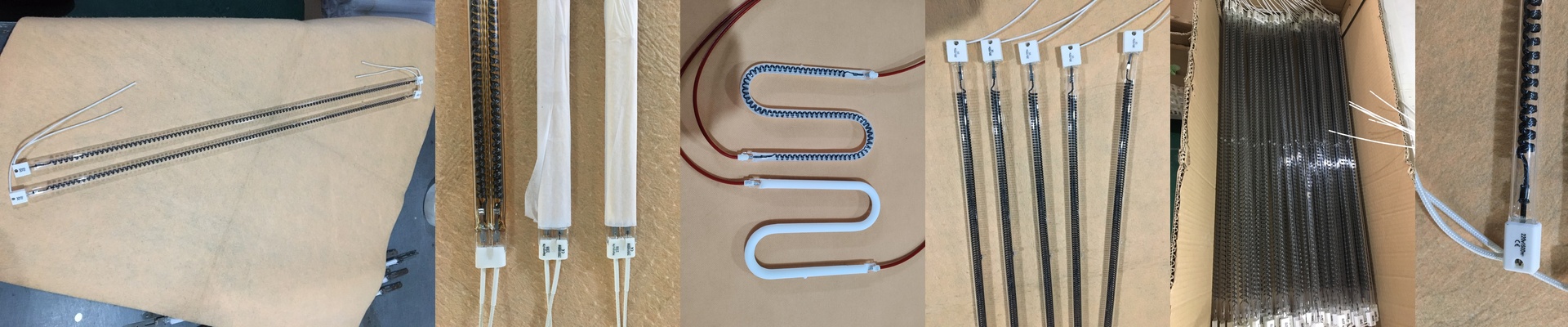
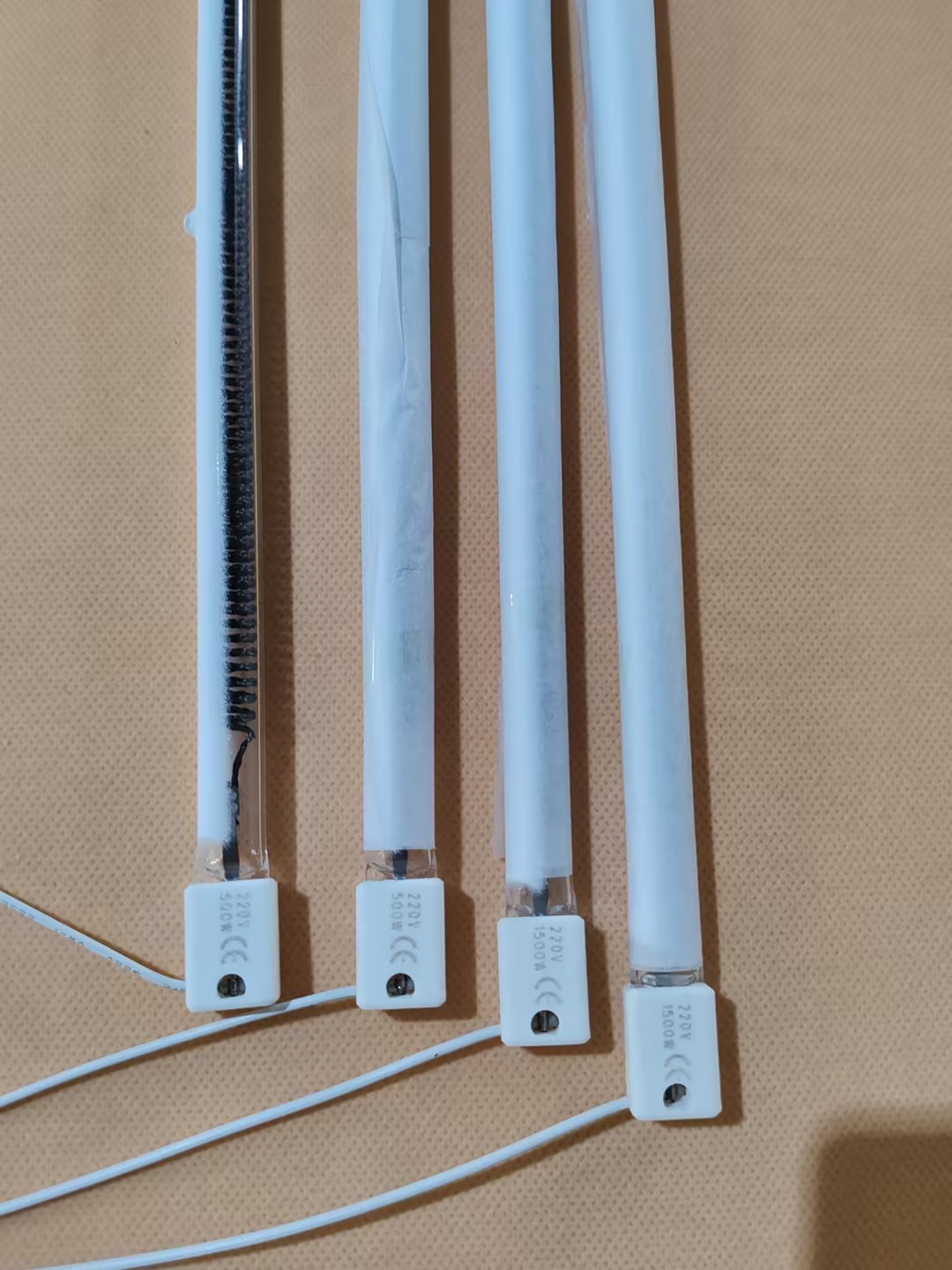
Most people are used to standard halogen tubes, but we do things a bit differently here. Instead of using tungsten wire, we use a carbon filament. Why? Because waiting for a heater to “warm up” is a pain. These 1000W units are built for speed. They hit your target temperature almost instantly, which is exactly what you need when you can’t afford to let your production line lag. The heat is different. At 1000W, you’re dealing with a lot of concentrated power. The cool thing about carbon is that it doesn’t need to get as scorching hot as tungsten to do its job, but it pumps out medium-to-long wave infrared radiation. In plain English: the heat actually sinks deeper into your plastics or coatings. It doesn’t just sear the surface. Your parts heat up faster, your cycle times drop, and you get more done in a day. It’s a win-win. The nuts and bolts We wrap that filament in high-purity quartz. We use quartz because it can handle the “thermal shock”—that sudden jump from cold to hot—without just snapping. Fitting them into your rig is usually a breeze. They come with standard R7s or SK15 connectors, so they usually just slide right into your existing IR arrays. One quick tip: if you’re wiring these into a high-voltage system, double-check your controllers. Carbon elements have their own specific resistance. If your controller isn’t dialed in, that initial power surge could fry the filament before you even get started. Real-world talk These are a dream for PET blowing, curing paint, or industrial drying. They don’t take up much space, either. But there’s a catch. Because these lamps are so powerful, that quartz tube getsinsanely hot. You can’t just throw them in a box and hope for the best. Make sure you’ve got your housing and cooling fans sorted, or you’ll end up warping the other parts of your machine. Plus, if the airflow is bad, your end-caps might give out early. And for the love of everything, keep the glass clean. A single fingerprint or a smudge of oil creates a “hot spot.” That’s the fastest way to crack a tube. Give them a wipe, keep them clear, and they’ll treat you right.