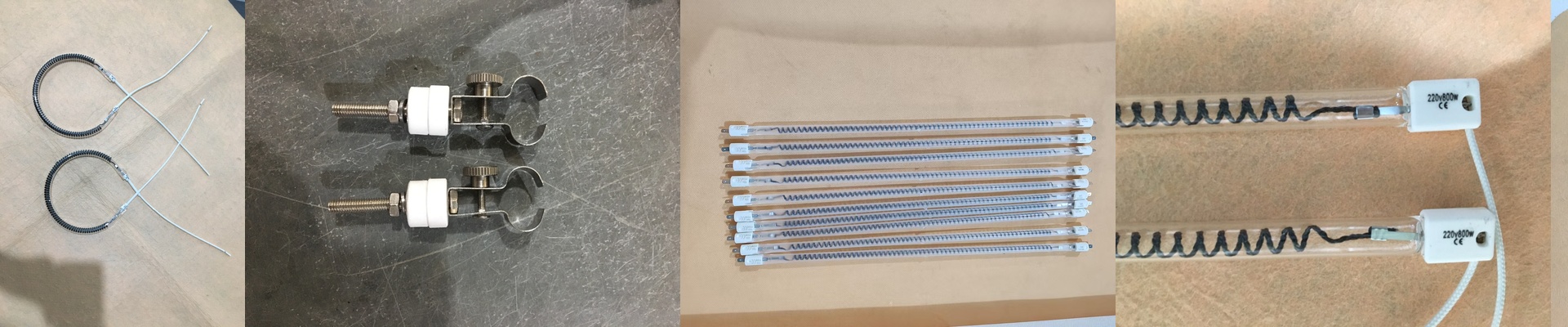
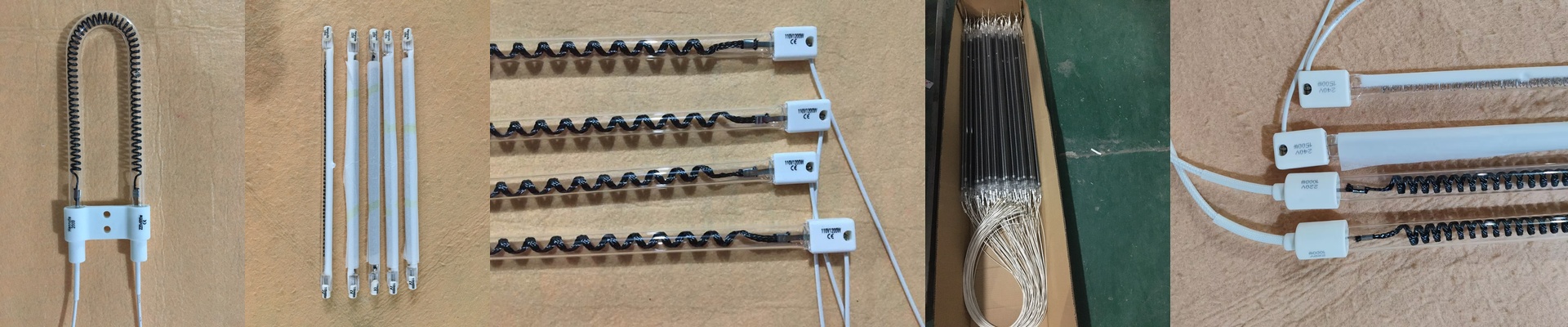
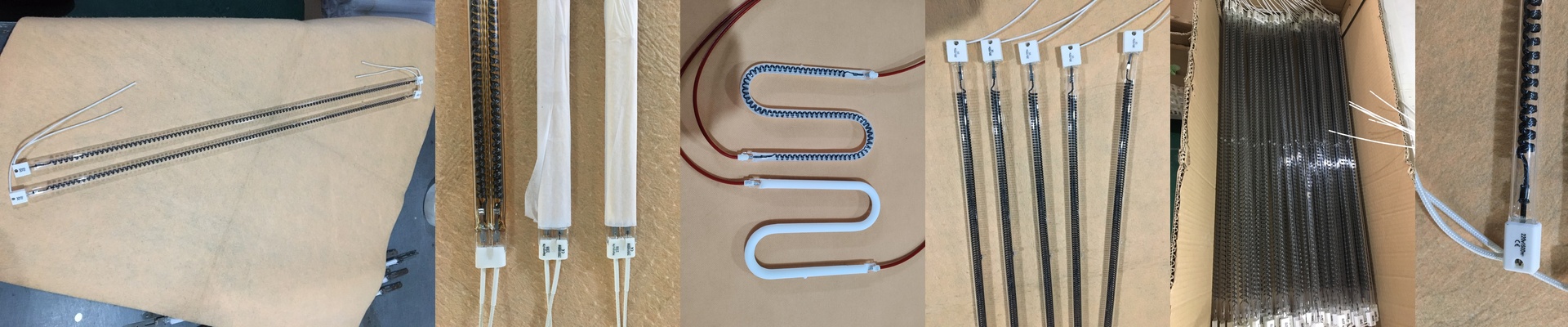
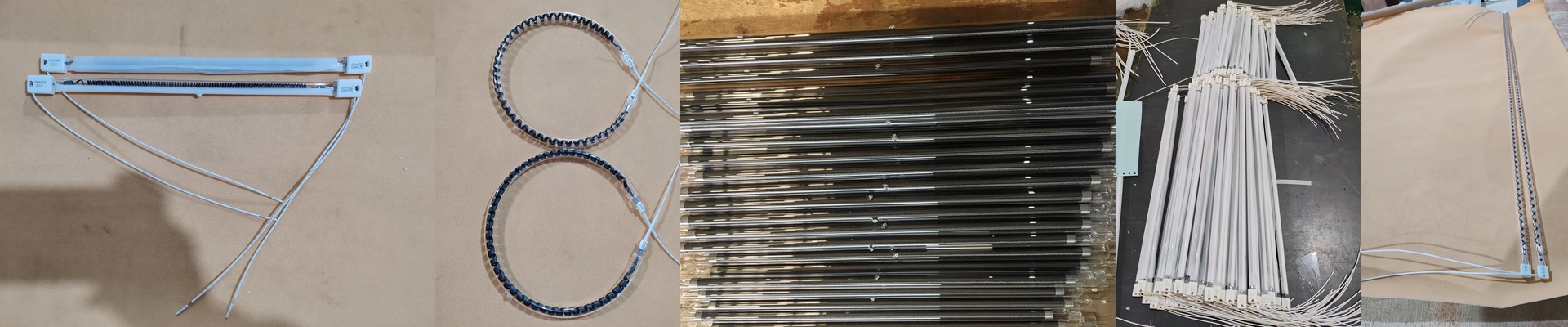
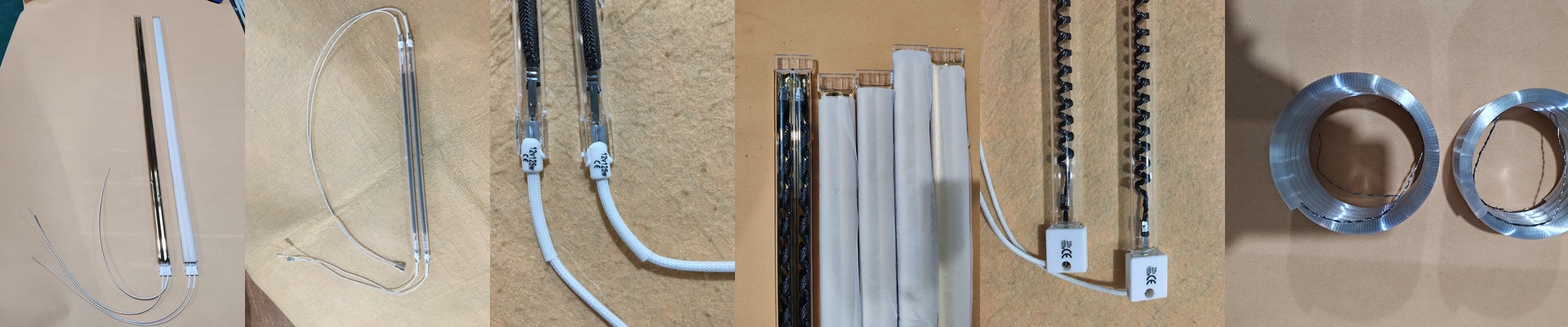
Let’s talk about our 500mm 700W Carbon Fiber Heaters
When we sat down to build these heaters, we wanted something that could hit a target precisely without just blasting the surface with raw heat. That’s why we went with far-infrared (FIR) radiation. If you’ve used those old-school metal coil elements, you know they can be a bit aggressive. Our carbon fiber filaments are different. They run a bit cooler and send out longer wavelengths. Essentially, the heat sinks deeper into your material. You get the warmth where it actually matters, and you don’t have to worry about scorching the outside of your workpiece. The size and the power We settled on a 700W output over a 500mm length for a reason. It gives you a wide heating zone. It’s perfect for those moments when you need to cover a lot of ground but can’t risk the extreme, searing temperatures you get from shortwave halogen lamps. You get a nice, steady spread of heat across the whole area. No weird hot spots. Why carbon fiber? Inside the tube, there’s a woven carbon fiber filament. The best part? It doesn’t sag. It doesn’t warp. Even after thousands of heat cycles, it stays put. We wrap that filament in high-purity quartz glass to keep the air out and the heat in. And it’s fast. Like, really fast. The second you flip the switch, it’s at operating temperature. No waiting around for things to warm up. Getting it set up (and a few warnings) These lamps play nice with most industrial controllers, but there’s a catch. FIR lamps are a bit picky about voltage. If your power supply spikes, you might fry the filament. To avoid that headache, I highly recommend using a PID controller with an SSR (Solid State Relay). It keeps the power steady and your equipment safe. One last thing to keep in mind: FIR is gentler on your materials, but it doesn’t “punch” through thick slabs of metal as quickly as shortwave IR does. If you’re working with a heavy steel plate, just give it a bit more soak time or move the lamp a little closer. Once you find that sweet spot, you’re golden.