Getting Carbon Fiber Heating Right for High-Density Loads
Forget those old-school metal coils. We’ve moved on to conductive carbon filaments. Why? Because they hit their temperature almost instantly and put out a ton of infrared energy. If you’re in a spot where you need to ramp up the heat fast and keep it exactly where you want it, this is the way to go.
Power and the Nitty-Gritty Details
When we’re figuring out the specs, we look at the wattage per centimeter. Here is the trick: by using higher voltage, we can pull more power without cranking the current so high that you risk melting your wires. The real win here is the thermal footprint. It’s tight. You can blast a PET preform or a specific spot on a conveyor belt with heat, and the rest of your machine frame stays cool. No wasted energy, no overheating the wrong parts.
How They’re Actually Built
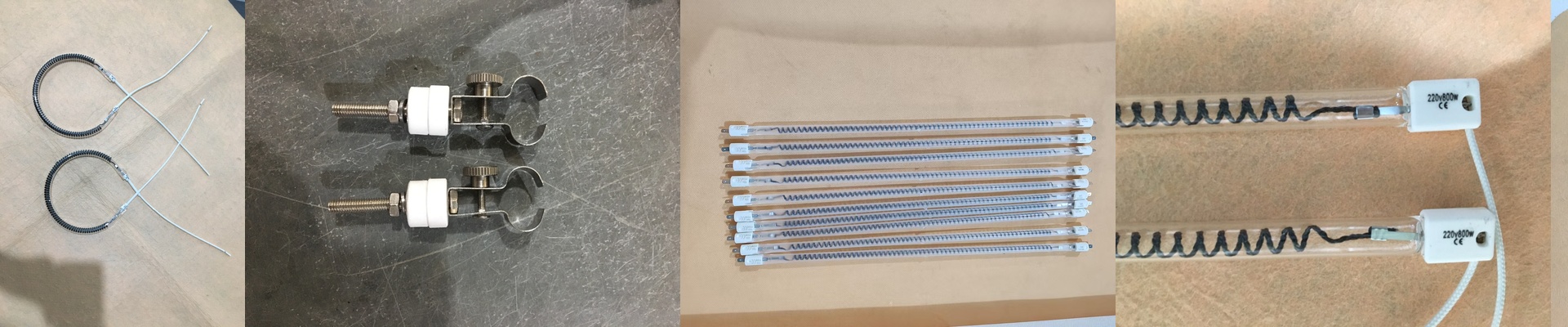
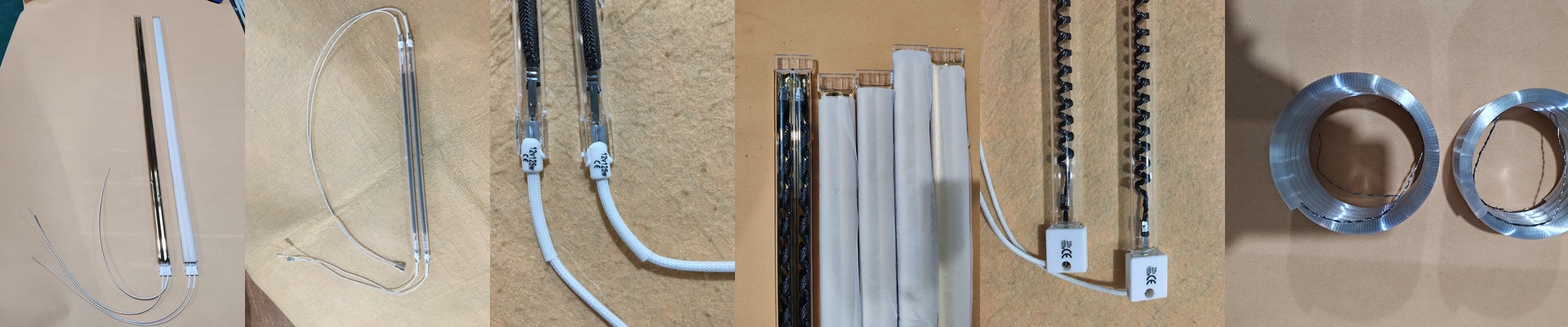
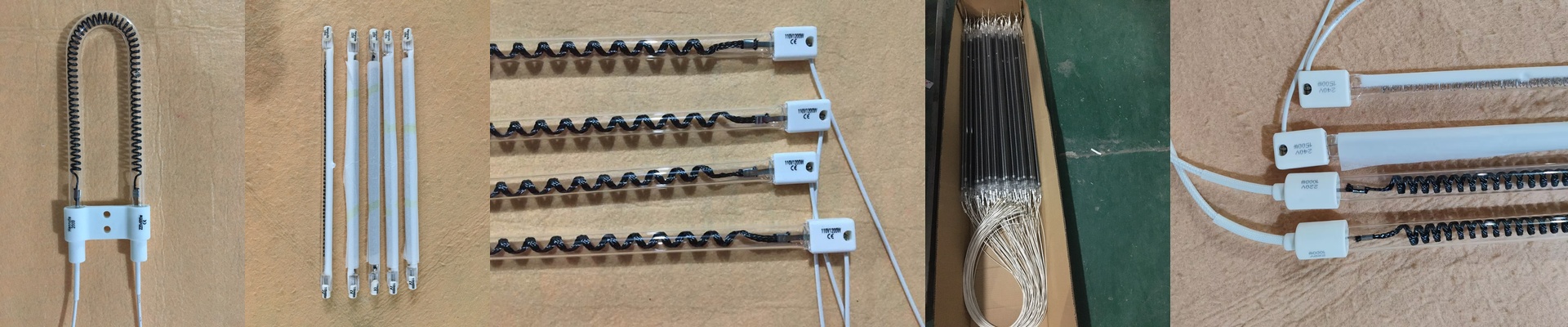
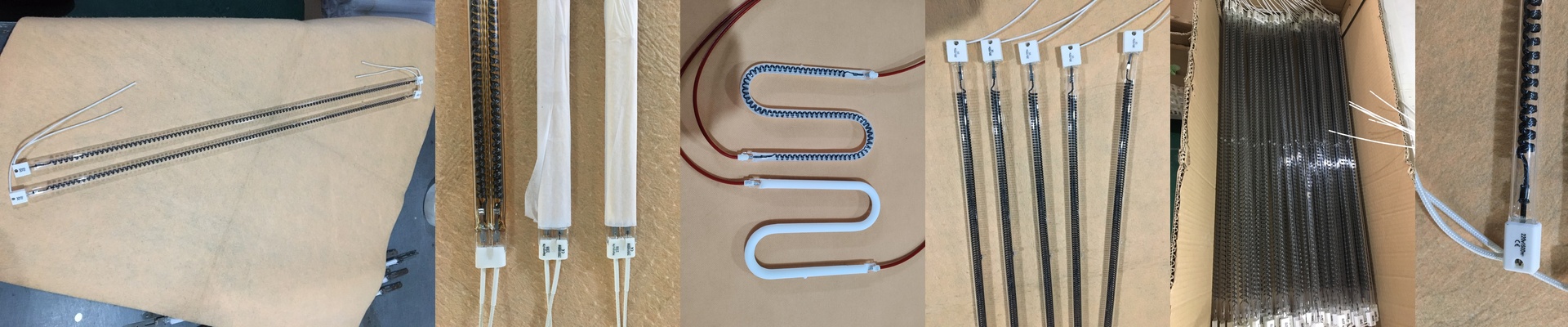
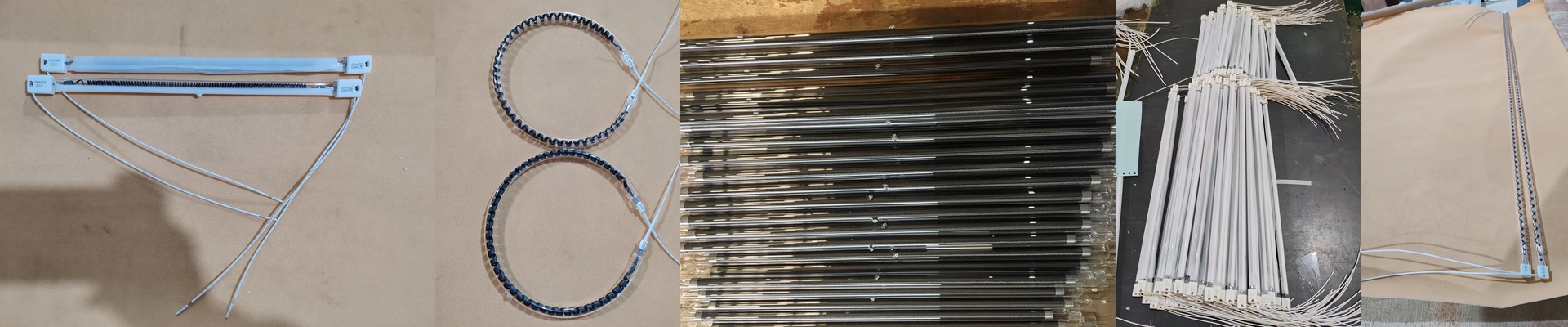
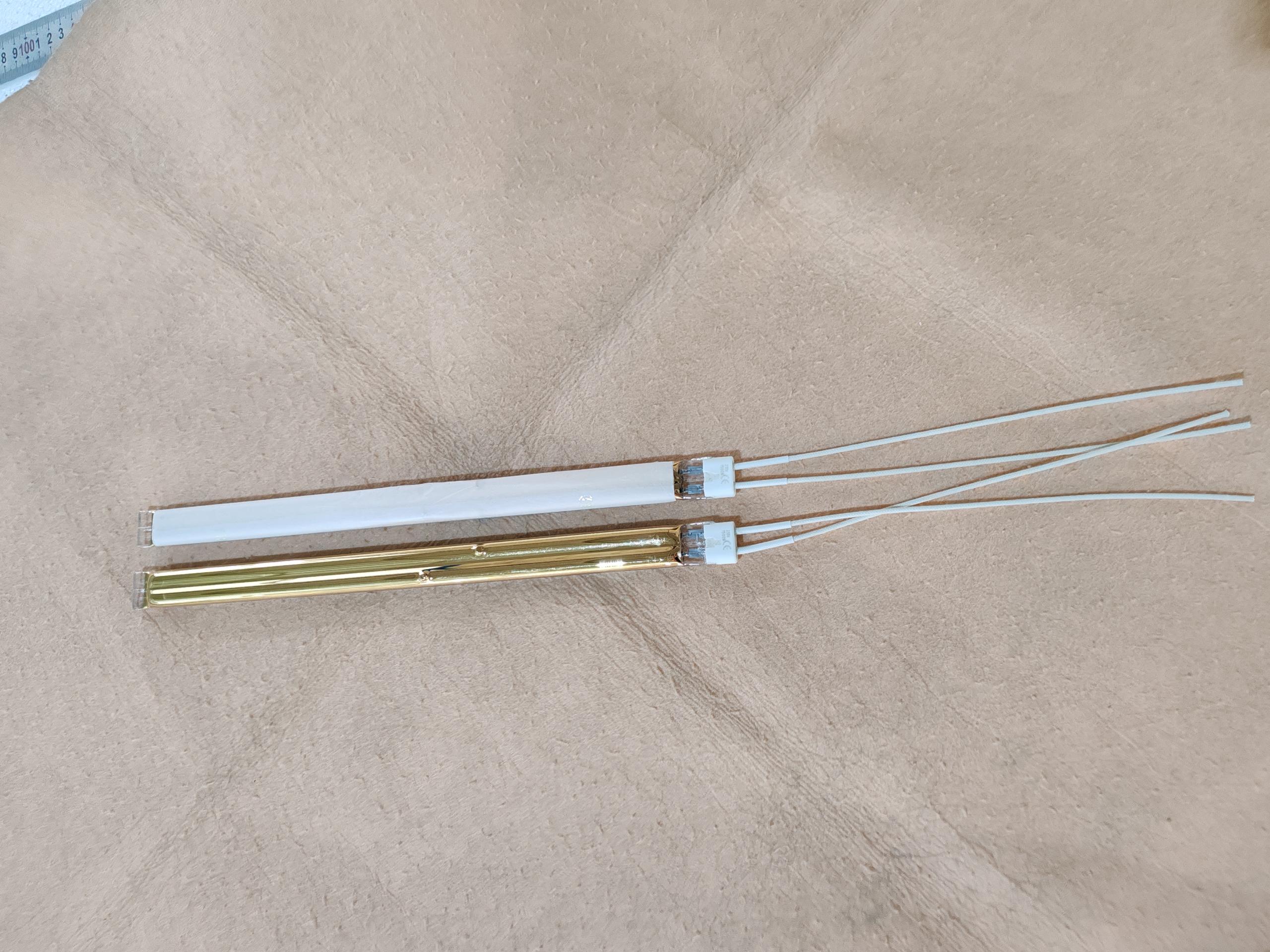
We tuck the carbon filament inside a high-purity quartz tube. We don’t use standard glass because it just can’t handle the thermal shock—it would shatter. Depending on what you’re heating, we can even coat the tube to tweak the emission spectrum from short-wave to medium-wave. But let’s talk about where things usually go wrong: the connection point. That’s the weak link. To stop them from snapping during a rough installation or from vibrating loose, we use reinforced terminals. **Pro tip:**If you’re swapping these into an old rig, double-check your connectors. You don’t want to deal with arcing at the terminals.
The Trade-offs (Because nothing is perfect)
These elements are fast. Like, really fast. But that speed puts a lot of pressure on your power supply. You’ll need a controller that can keep up with the rapid switching. Also, a word of caution: while the carbon fiber itself is tough, that quartz envelope is still glass. One clumsy move during a tool change and crack—there goes your tube. Do yourself a favor and install some protective guards. It’s much cheaper than replacing an element because someone bumped into it on the shop floor.