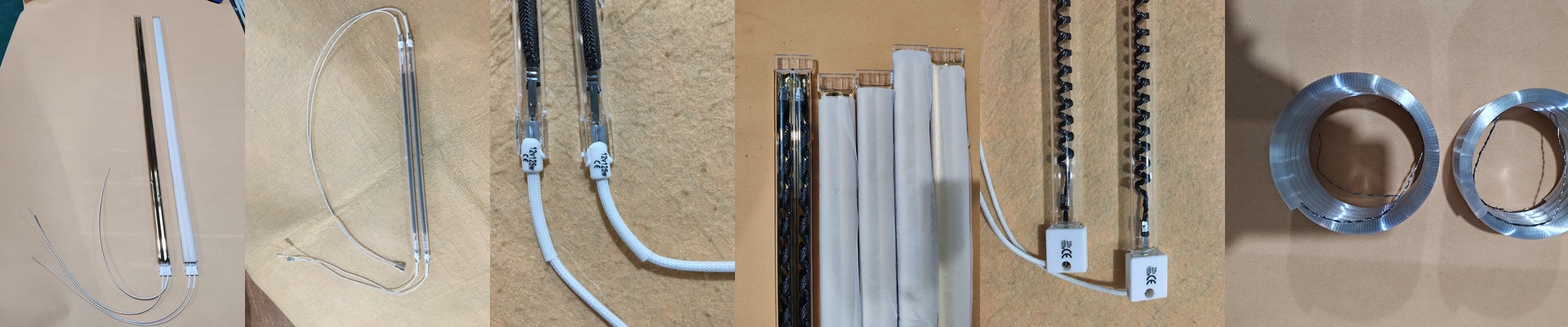
Let’s Talk About Carbon Fiber Heating Elements
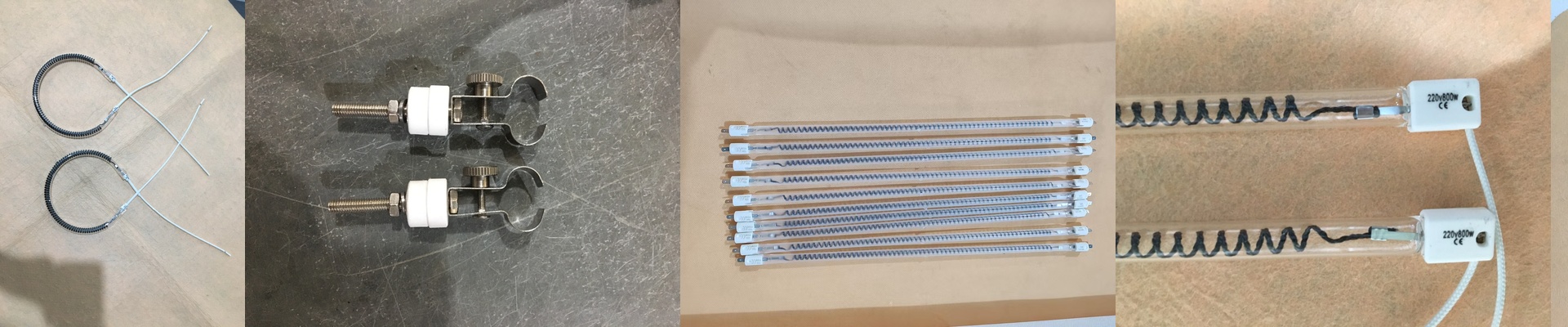
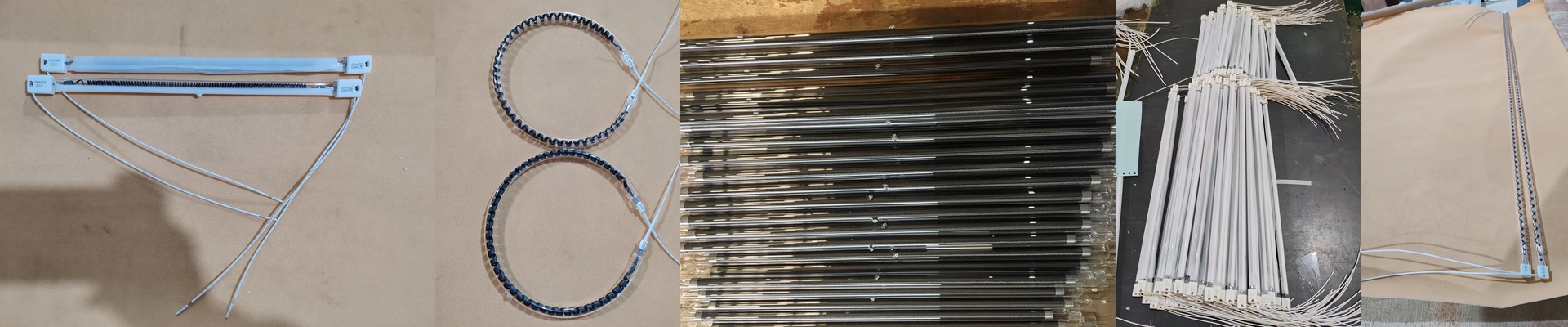
When you’re looking at high-performance infrared emitters, the heart of the whole thing is the filament. Most people are used to the old-school tungsten or nichrome wires, but we’ve moved away from those. Why? Because carbon fiber just behaves better. Metal coils have a habit of sagging or snapping once they hit a certain temperature. Carbon fiber doesn’t really do that. It stays put and puts out a ton of heat without the constant worry that it’s about to give out on you.
The Heat and the Power
We’ve designed these to handle a lot of current. The best part is how fast they get to work. You don’t have to stand around waiting for your machinery to warm up; it hits operating temperature almost instantly. Plus, since carbon fiber has lower electrical resistance than most alloys, you can cover a much larger heating area. You don’t need to crank the voltage to crazy levels just to get the job done. One quick warning:**keep an eye on your power supply.**Make sure it matches the wattage and voltage of the filament exactly. If you push too much power through it, you’ll get hot spots that will fry the element. It’s a costly mistake that’s easy to avoid.
How They’re Actually Built
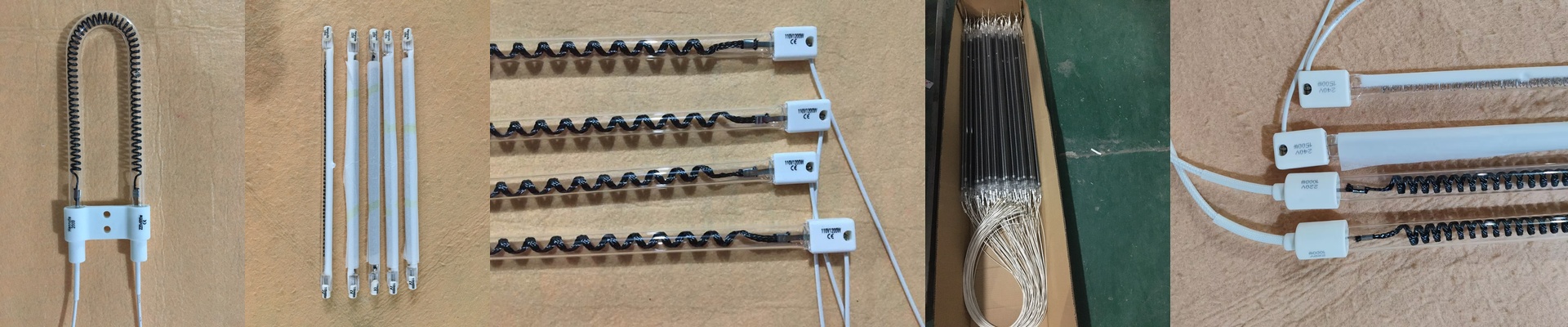
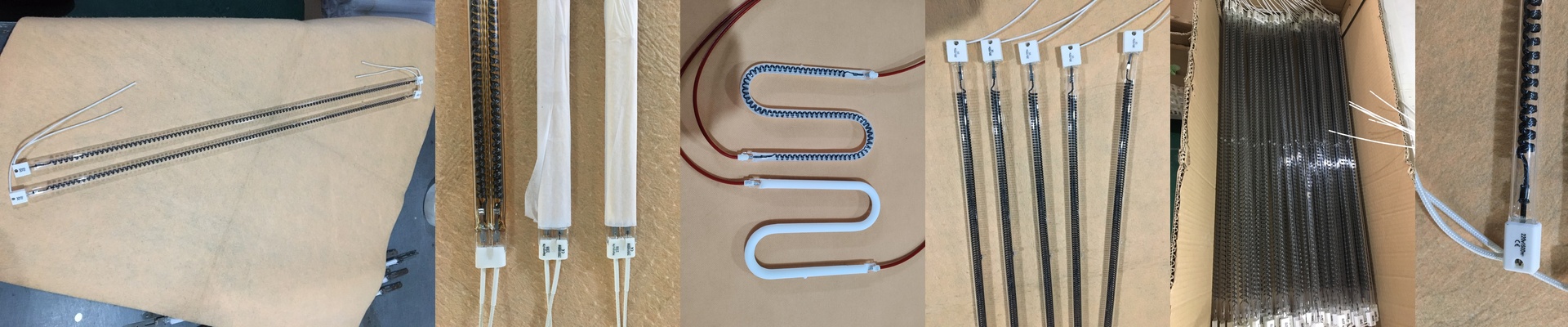
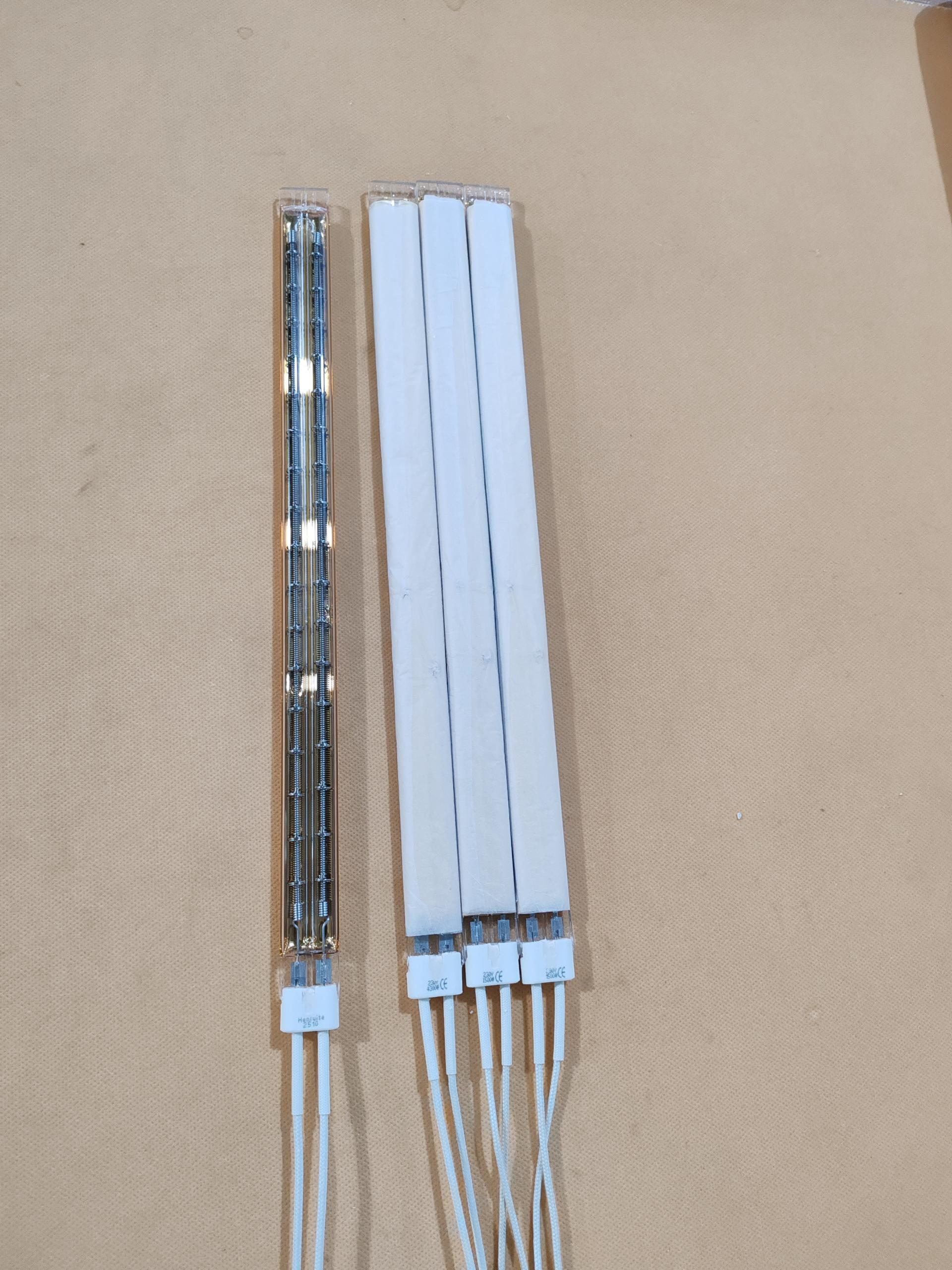
Inside, you’ve got bundles of carbon fibers treated to move electricity efficiently. But here’s the catch: carbon hates oxygen when it’s hot. If it’s exposed, it’ll literally vaporize. To stop that from happening, we seal everything inside quartz or specialized glass tubes. It keeps the oxygen out and the heat in. Another win? They’re incredibly slim. If you’re working with an old, cramped machine, these usually slide right into those tight spots where the bulkier old elements used to sit.
Where They Work (and Where to Be Careful)
You’ll see these all over the place—PET blowing, plastic welding, drying tunnels. They provide a deep, penetrating heat that actually reaches the core of whatever you’re heating, rather than just scorching the surface. But remember, carbon fiber is brittle. It’s tough against heat, but it hates being shaken. If your machine vibrates a lot or takes a few mechanical hits, the filament can snap. Just make sure your mounting brackets are tight and secure. If the tube is rattling, it’s only a matter of time before it breaks.