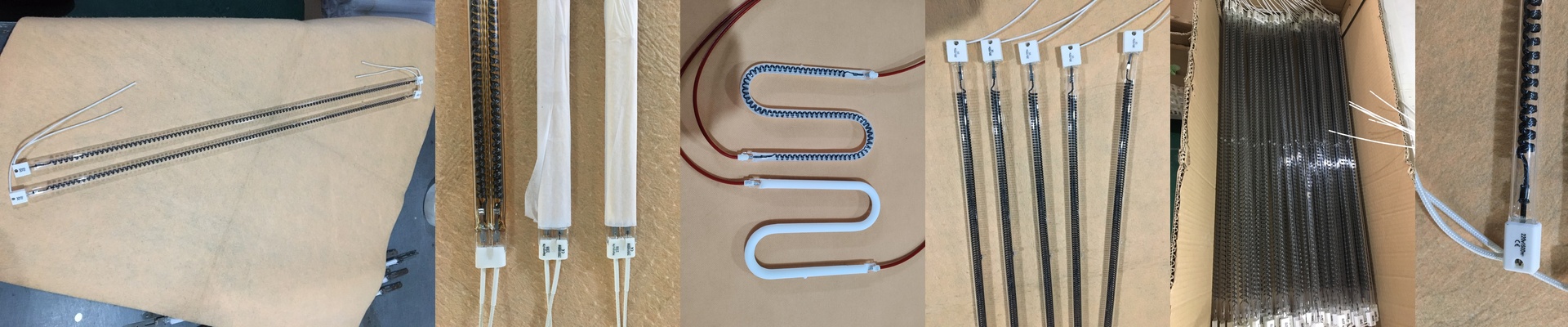
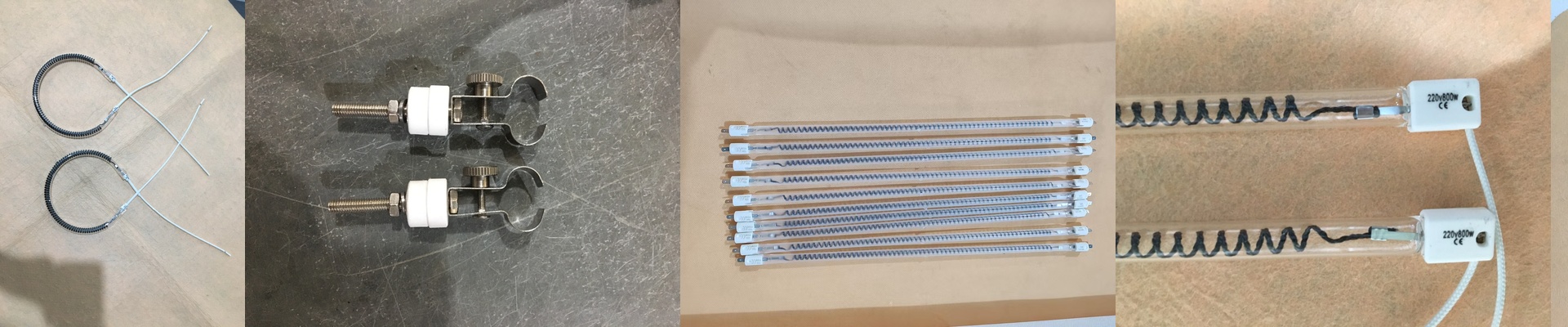
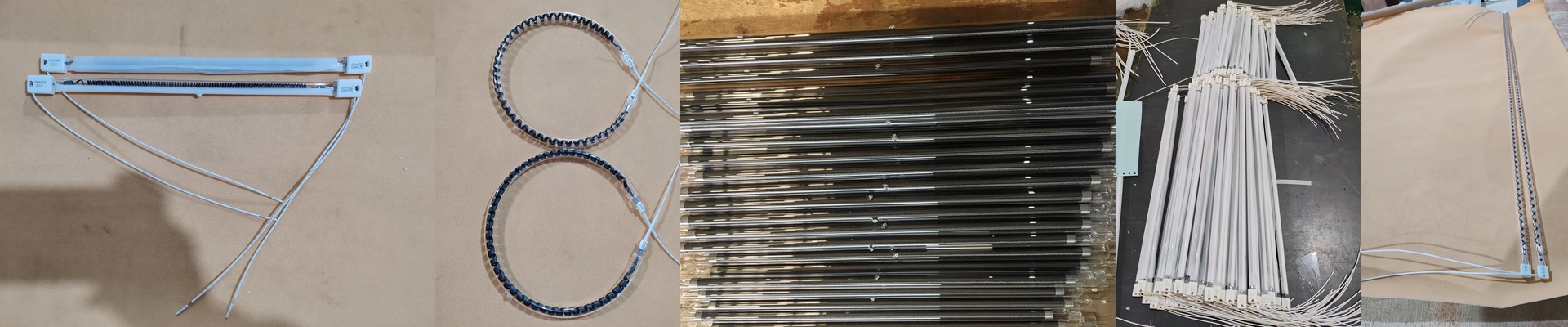
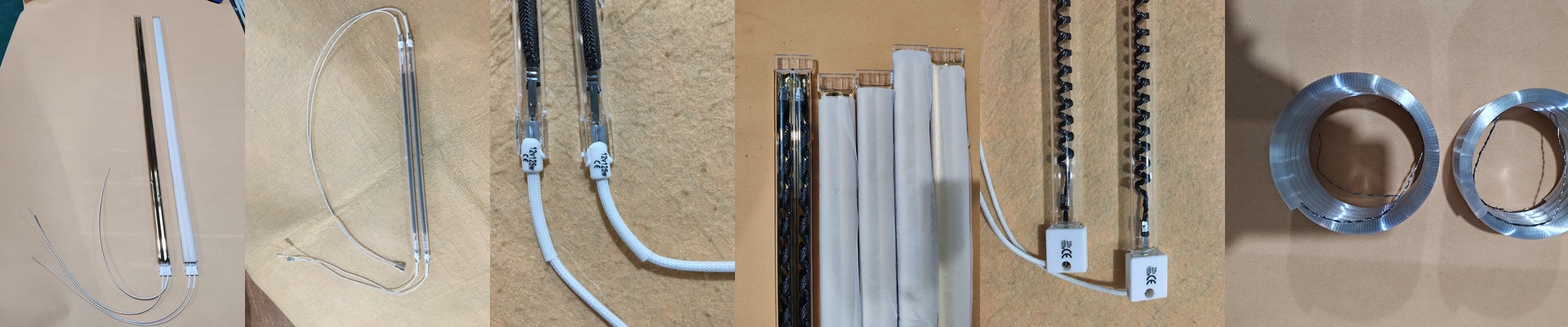
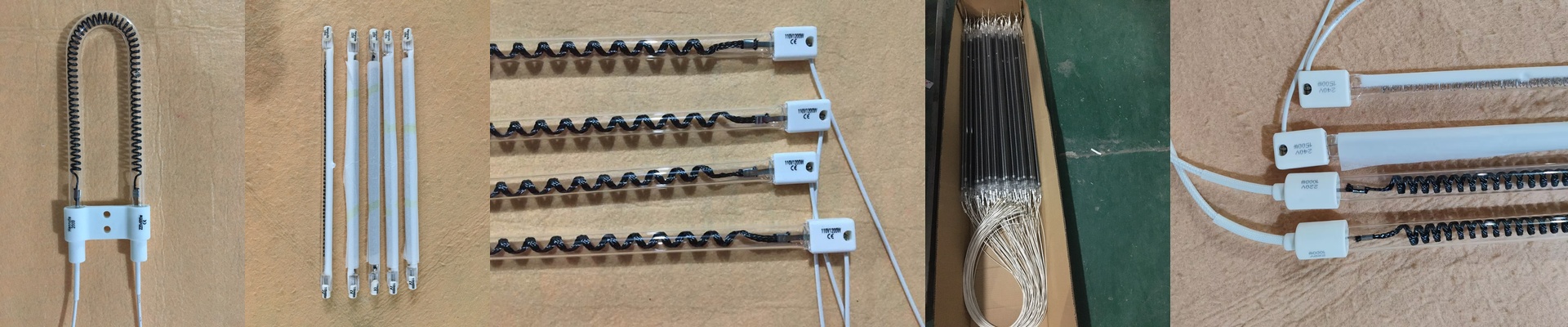
Let’s Talk About Our O-Shape Carbon Fiber Heat Lamps
If you’re dealing with a process that needs intense, steady heat wrapped around a cylinder, you know the struggle. Linear tubes just don’t cut it—they waste too much energy heating the air around your project. That’s why we went with the “O” shape. By curving the lamp, we can point all that infrared energy right at the center. It’s efficient. It’s focused. And it keeps the heat where it actually belongs.
The Meat of the Tech: Heat Density
The real magic happens with the carbon fiber filament. We’ve designed these to pack a huge amount of wattage into a tiny space. Because we use carbon, you get medium-to-long wave infrared. In plain English? The heat actually sinks deep into your materials instead of just scorching the surface like a halogen lamp would. One big warning though: watch your power supply. You’ve got to hit the voltage requirements exactly. If you’re too low, the lamp won’t get hot enough to do its job. Too high? You’ll fry the filament in no time. It’s a delicate balance.
How They’re Built
To get that perfect circle, we bend high-purity quartz glass. We use quartz because it can handle wild temperature swings without cracking, and it lets the IR radiation pass through without soaking it up. We make sure the carbon core is dead-center so the heat hits every side of your target evenly. No surprises. But here’s the thing about the wiring: you can’t be sloppy. We use heavy-duty terminals to stop oxidation, but if your connection is loose, you’ll get an arc. And an arc is a great way to shatter your quartz envelope.
The Trade-offs (The Honest Truth)
You’ll see these lamps all over PET bottle blowing lines and curing ovens. They’re great because they kill those annoying cold spots you get with straight lamps. But they aren’t indestructible. Quartz is tough against heat, but it’s fragile against… well, everything else. A hard bump or a splash of chemicals can ruin your day. Plus, you have to keep them spotless. If dust or oil builds up on the glass, it creates a “hot spot.” That’s usually how these tubes fail early. Keep them clean, and they’ll treat you right.