Getting the Most Out of Carbon Fiber Heating Tubes in Your Shoe Machines
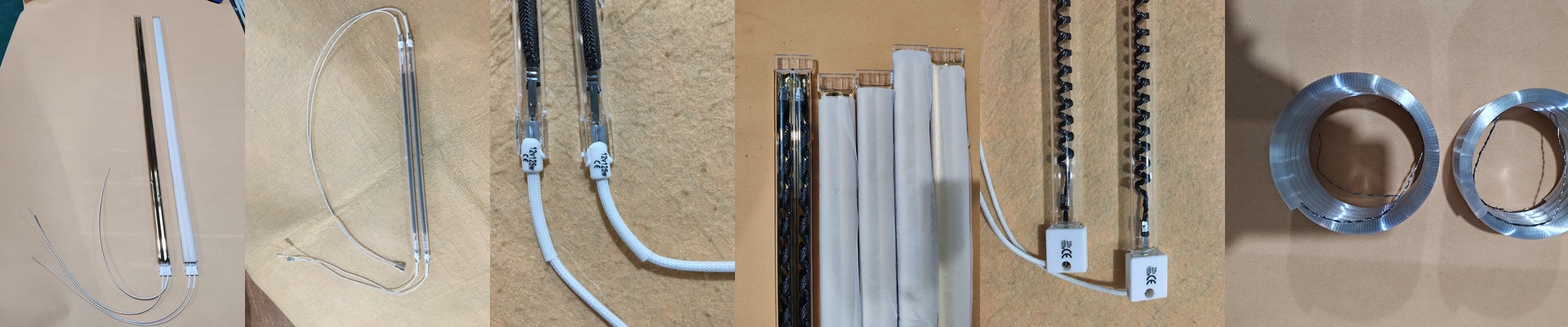
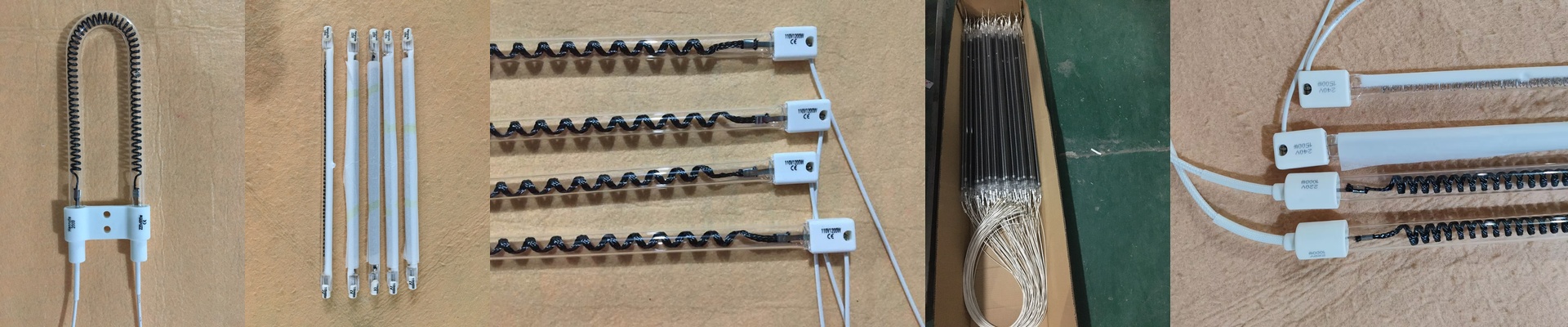
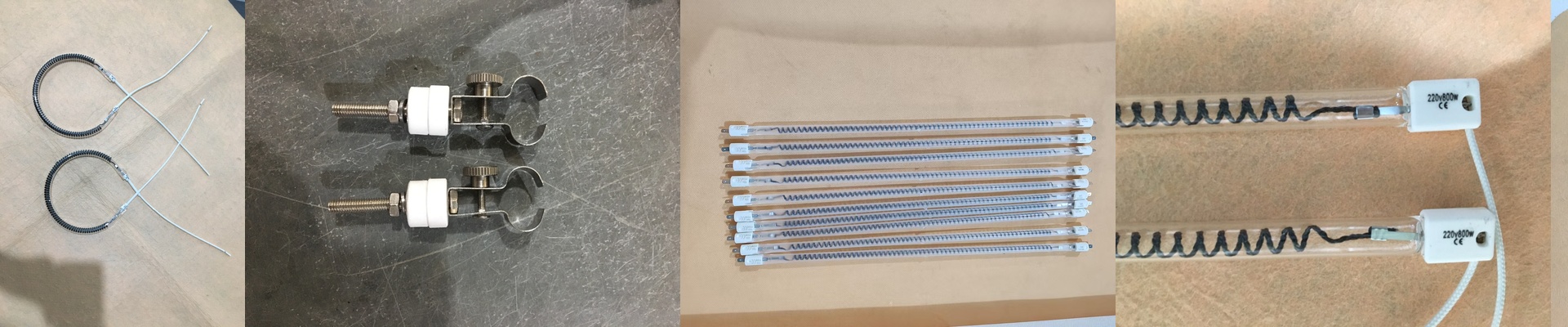
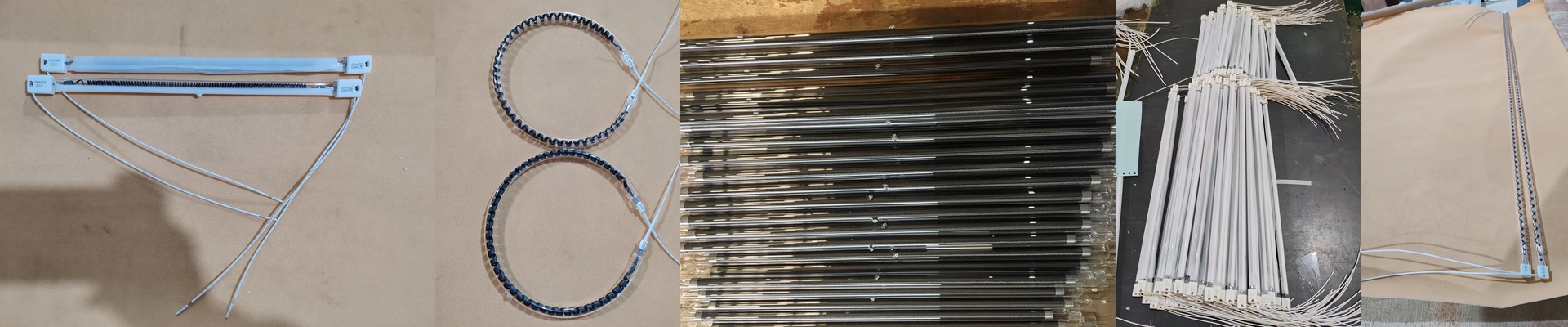
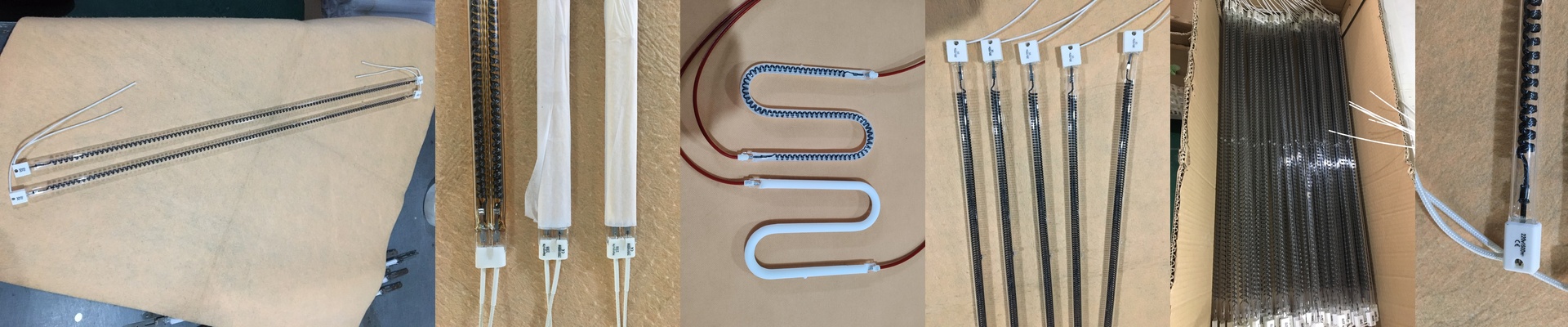
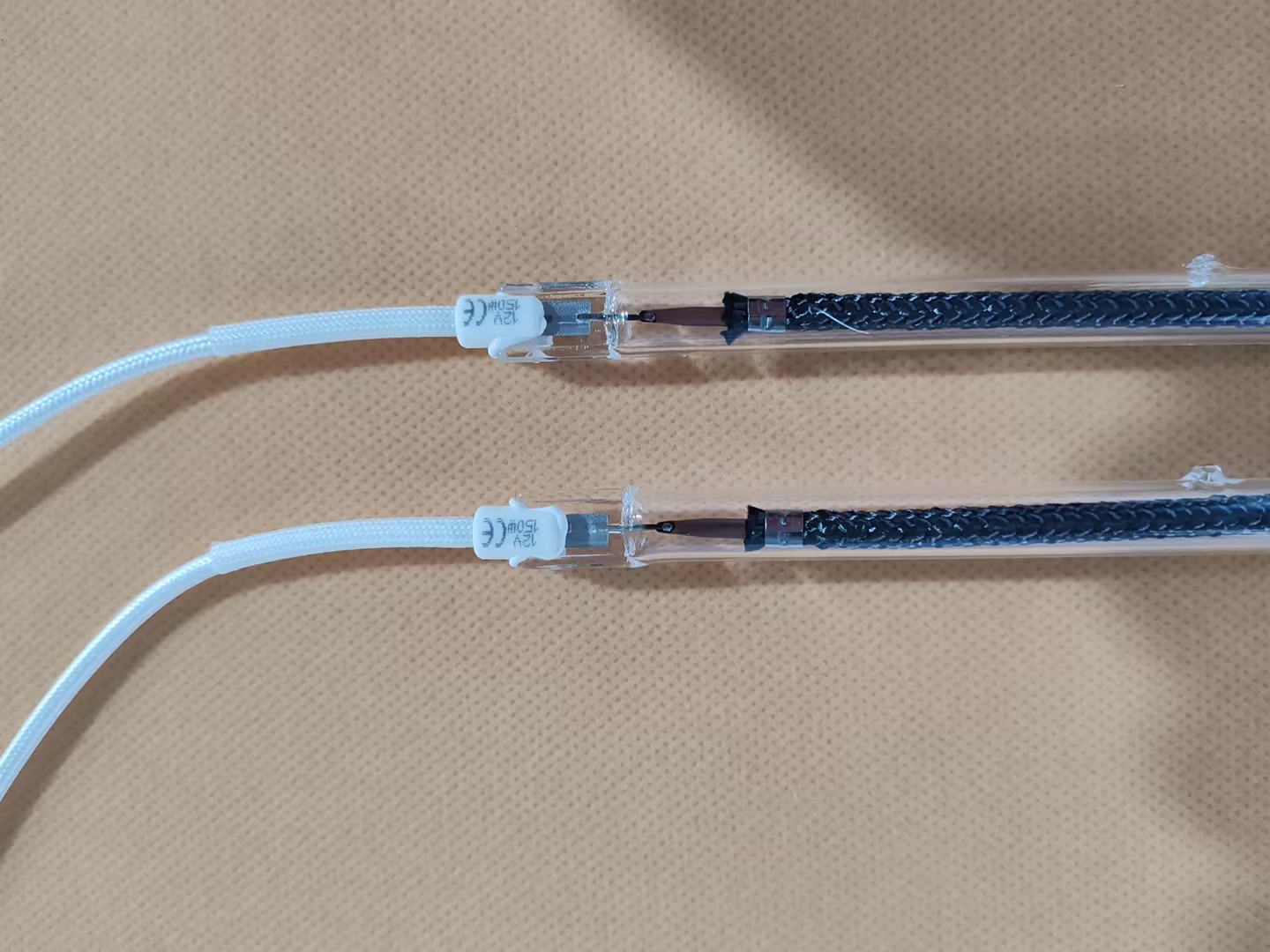
If you’re in the business of making shoes, you know that the bonding and curing stage is where things either click or fall apart. That’s where carbon fiber heating tubes come in. Think of these as high-powered infrared emitters. Instead of using those clunky old metal alloy elements, we use a carbon fiber filament wrapped in high-purity quartz. It’s a setup designed to push concentrated heat exactly where it needs to go. The Power Side of Things We build these tubes to keep up with the frantic pace of a footwear assembly line. Depending on the size of your machine, we usually crank up the wattage. Why? Because your adhesive needs to hit that “sweet spot” temperature in a matter of seconds. It’s fast. Really fast. And that speeds up your whole line. Just a heads-up: make sure your power supply and wiring can actually handle the draw. If your electrical setup is weak, you’re just asking for the tubes to burn out when they hit peak load. Why Carbon Fiber and quartz? Here’s the thing about carbon fiber—it doesn’t hold onto heat the way traditional coils do. It heats up instantly and cools down just as quickly. Then there’s the quartz glass. We use it because it lets the IR spectrum slide right through without soaking up the heat itself. That means the energy actually hits the shoe, rather than just heating up the lamp housing. Most of our tubes use standard industrial connectors, so you can just drop them in. But if you’re upgrading an old machine, double-check your lead wire gauge. Thin wires create a bottleneck. You’ll get voltage drops, and suddenly your heat isn’t consistent anymore. Real-World Talk These tubes are great for shaping uppers and slapping on soles. The quick response time means you’re churning out more pairs per hour. But there’s a catch. All that heat density puts a lot of stress on the quartz. Quartz is brittle. Seriously brittle. If your shop floor is a high-vibration zone or tools are flying around, youneedprotective guards. One accidental bump from a wrench and the vacuum seal is gone. Once that happens, the carbon filament oxidizes and dies almost instantly.