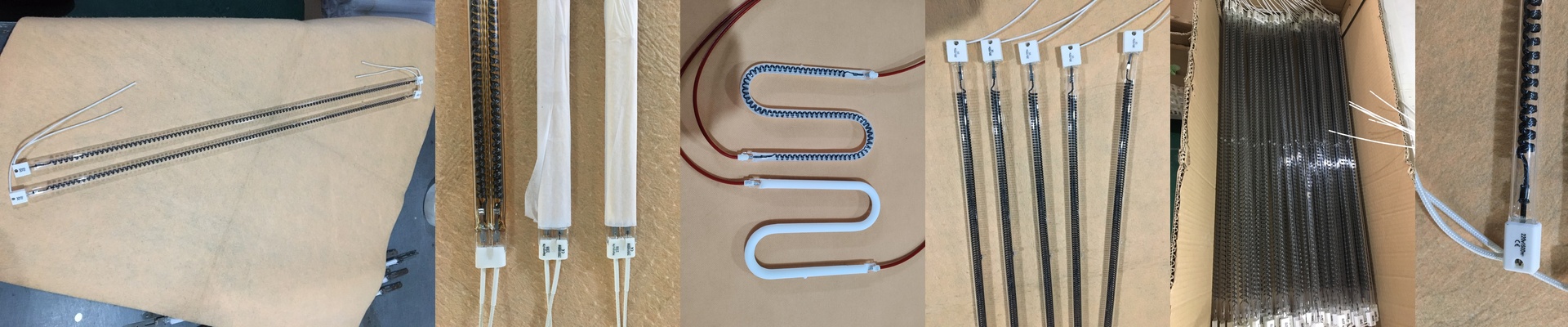
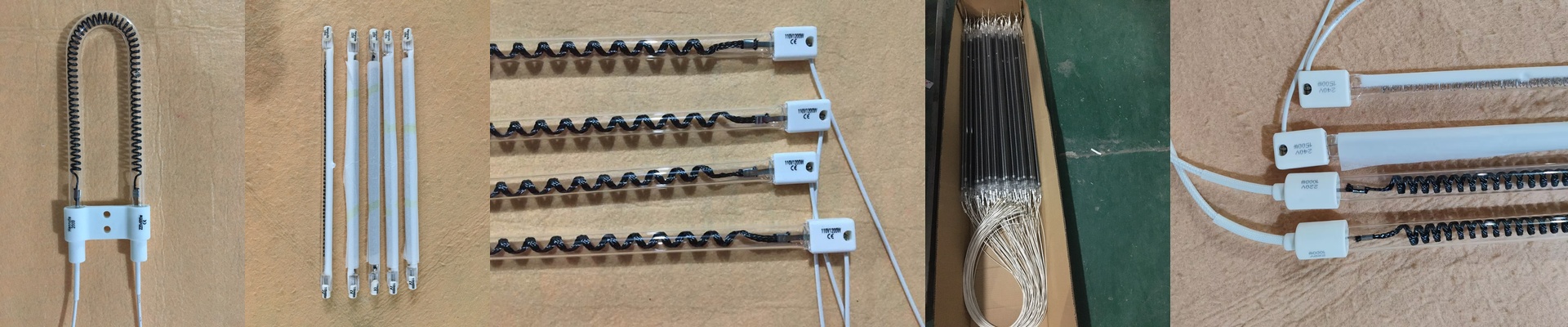
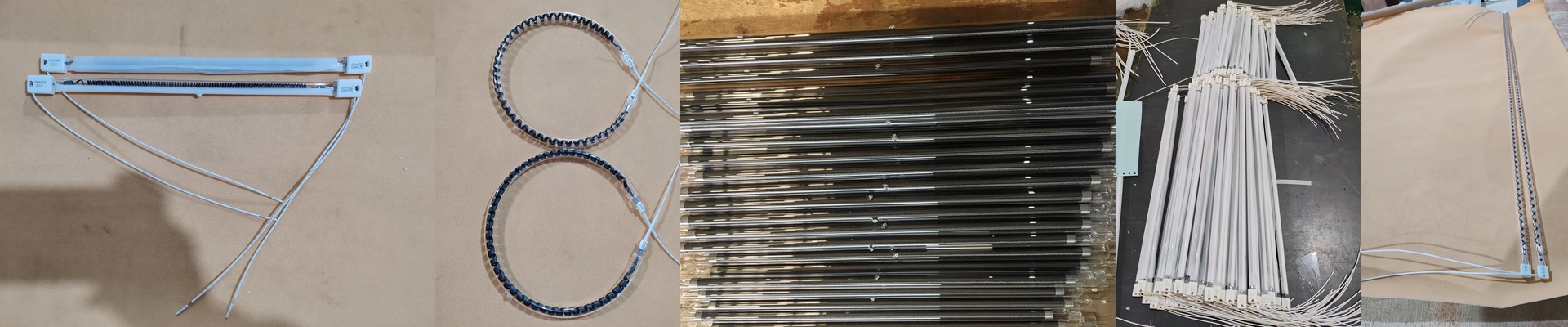
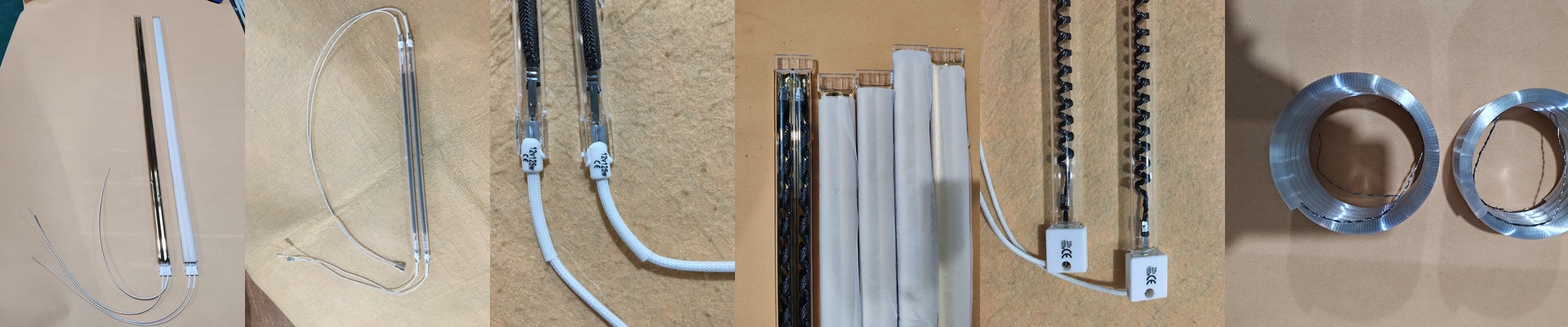
Getting the Most Out of Carbon Fiber Infrared Emitters
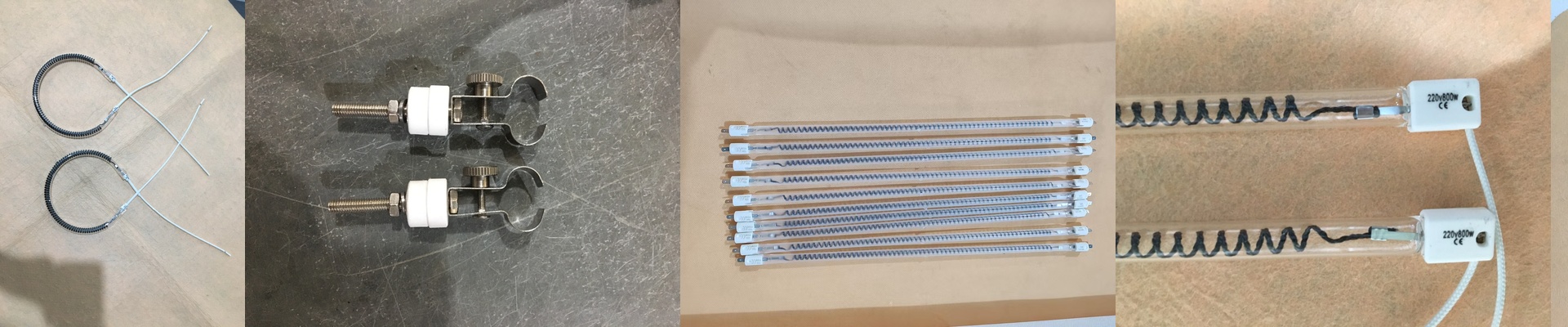
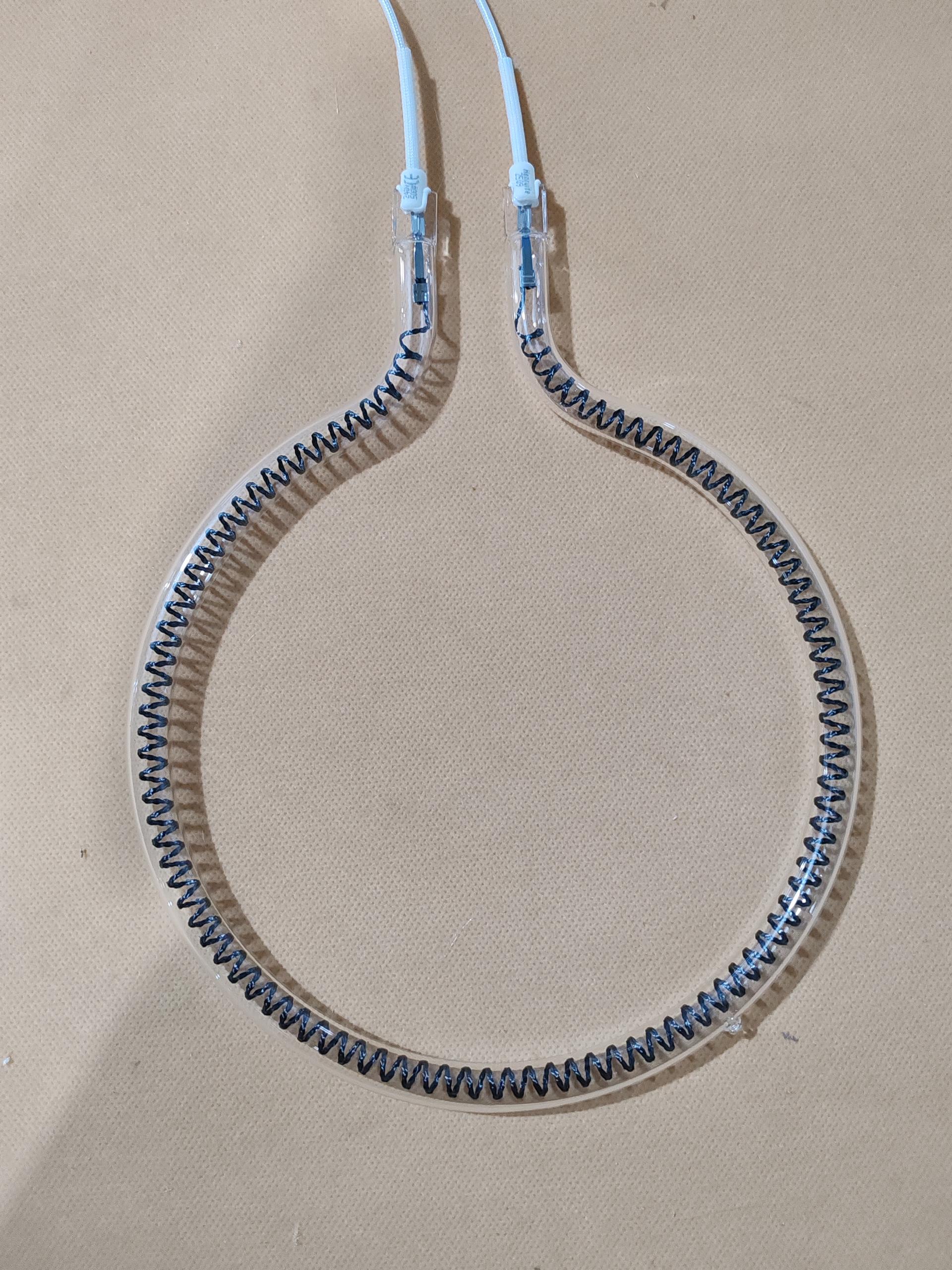
If you’re used to standard metal-filament lamps, carbon fiber emitters are a different beast. Instead of a metal wire, we use a carbon-fiber element tucked inside a quartz tube. Why bother? Because they’re fast. Really fast. When you need to hit a specific temperature right now—without that annoying lag you get from traditional heaters—this is the way to go. Talking Power and Voltage Here is the thing about voltage: get it wrong, and you’re just paying to burn out your elements. If you put a high voltage rating on a short tube, you’re cranking up the power density. Imagine squeezing 2500W into a tiny footprint. You get a massive blast of heat. It’s powerful, but you’ve got to make sure your cooling system can actually handle the heat buildup around the housing, or you’re asking for trouble. We stick to standard industrial voltages so you can just swap them into your existing arrays without a headache. The Build: Quartz and Connectors The quartz tube isn’t just for show; it keeps the carbon filament from oxidizing and dying. We even offer some specialized coatings that shift how the heat behaves. This lets the heat soak deeper into your material or bounce off certain surfaces depending on what you’re trying to do. As for the plugs, we use the usual R7s or Sk15 connectors to keep things tight. One pro tip:**Check your socket tension every time you swap a tube.**A loose connection leads to arcing, and that’s a one-way ticket to a dead lamp. You don’t want hot spots at the contact point. Real-World Use (and the Catch) You’ll see these things everywhere—PET blowing, curing paint, welding plastics. Since carbon fiber responds so much quicker than halogen, you hit your target temps in seconds. It just saves time. But there is a trade-off. Quartz is brittle. If your machine vibrates too much or you clamp the tube too tight, it’s going to crack. To stop the glass from snapping under the stress of heating up and cooling down, we suggest using spring-loaded mounts. It gives the tube room to breathe, which keeps everything intact.