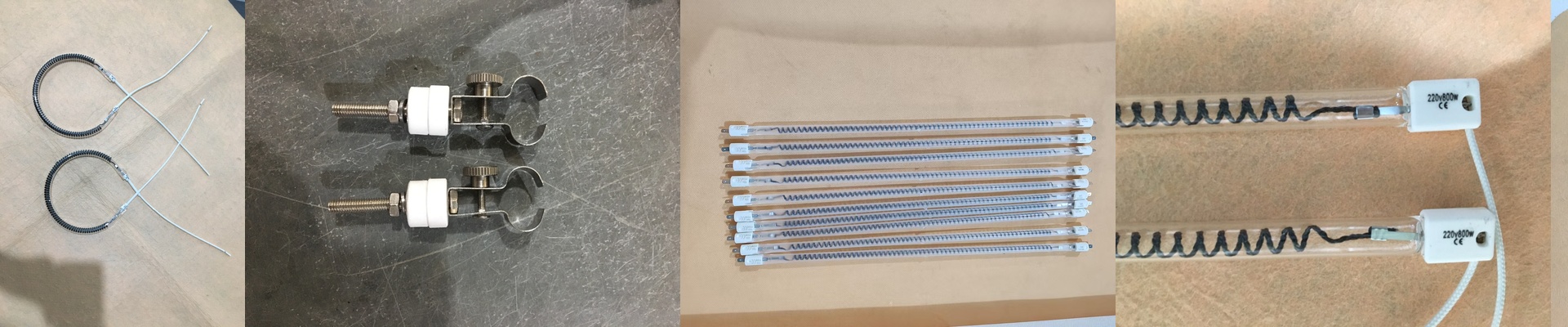

Getting the Most Out of Carbon IR Quartz Heaters
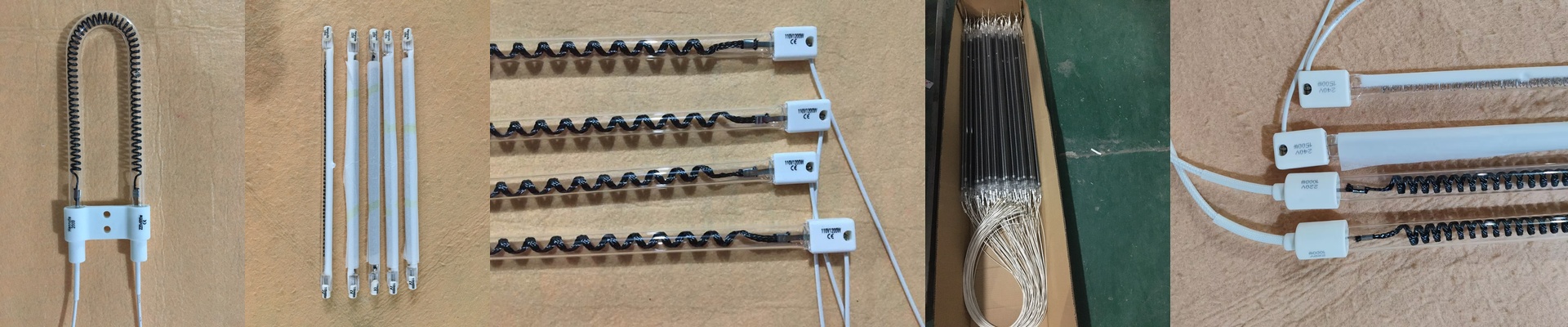
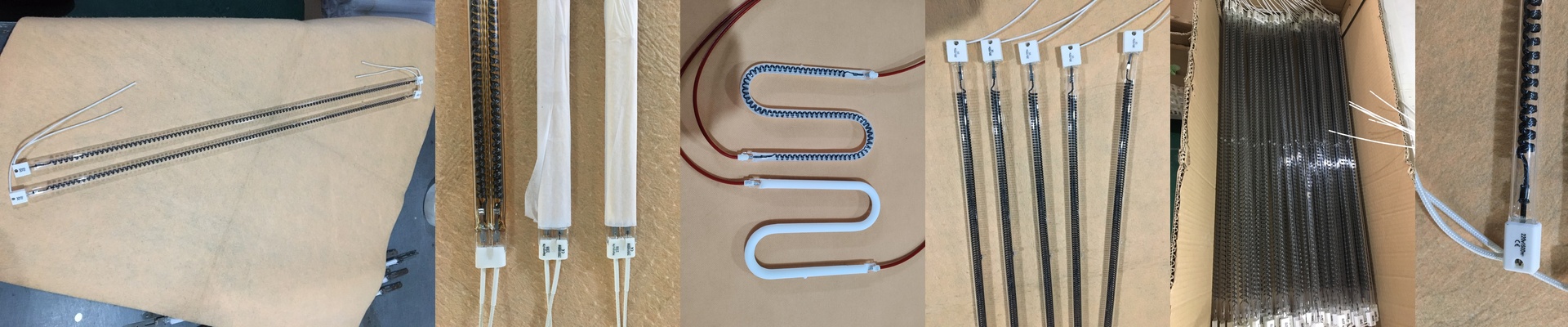
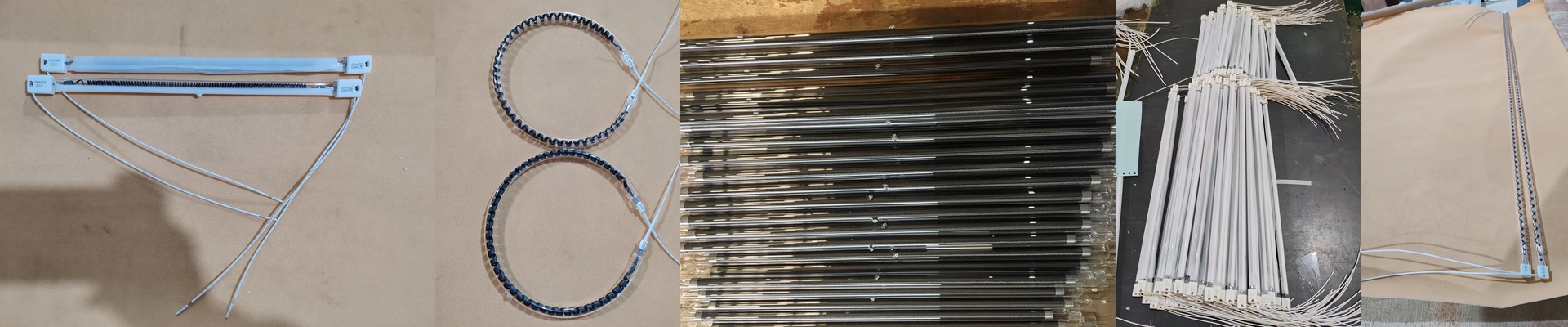
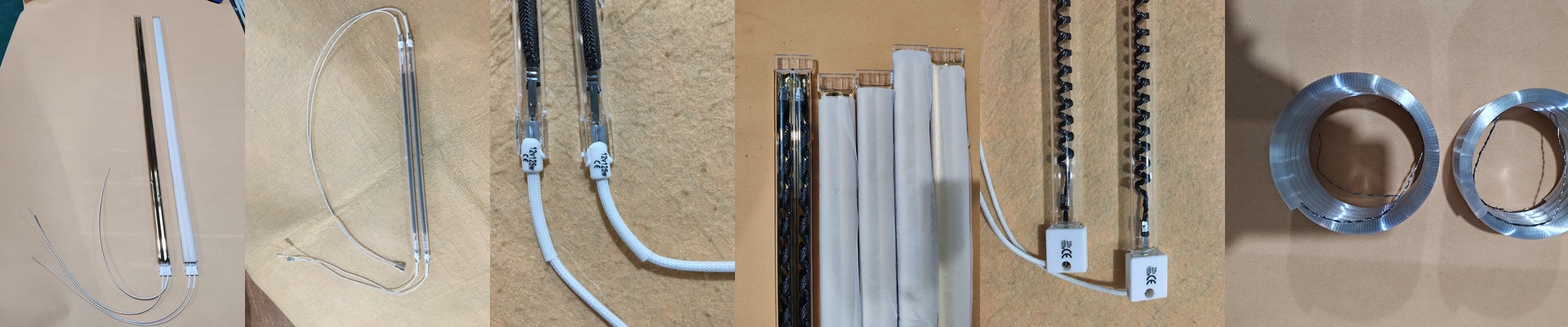
Think of carbon infrared heaters as the high-performance version of your standard heating coils. Instead of relying on old-school metal, these use a carbon-fiber filament. Why does that matter? Because they heat up fast. Like, really fast. And they push heat deeper into your materials than a basic resistive heater ever could. Let’s talk power. The real secret here is the wattage-to-length ratio. When you cram a lot of wattage into a short quartz tube, you get an intense burst of heat. But here is the catch: your power rails have to be spot on. Whether you’re running 230V or 400V, if your wiring can’t handle the current, your temperatures will tank. There is nothing worse than spec-ing out a 2500W tube only to find out your wiring is choking the output. The build quality We wrap that carbon filament in high-purity quartz glass. It does two things: it keeps the filament from oxidizing (which would kill it) and it lets the IR radiation fly through without getting blocked. Then there are the connectors—usually R7s or SK15s. These aren’t just generic plugs. They’re built to handle the way materials expand when they get hot. If the fit is loose, you’ll get arcing. And arcing is a fast track to burning out your end caps. Where this actually works You’ll see these all over PET blowing, paint curing, and drying lines. If you’re currently using slow halogen lamps, switching to carbon is usually a breeze. But keep a couple of things in mind. Carbon tubes are a bit fragile. They don’t love mechanical shock. If your machines vibrate a lot, you need solid supports, or you’re going to end up with snapped tubes. And please, keep your reflectors clean. It sounds simple, but a thin layer of dust can kill your efficiency by 20% and cause the tube to overheat. A quick wipe-down saves you a lot of headaches.