Getting the Most Out of Our 550mm 1500W Carbon Fiber IR Heater
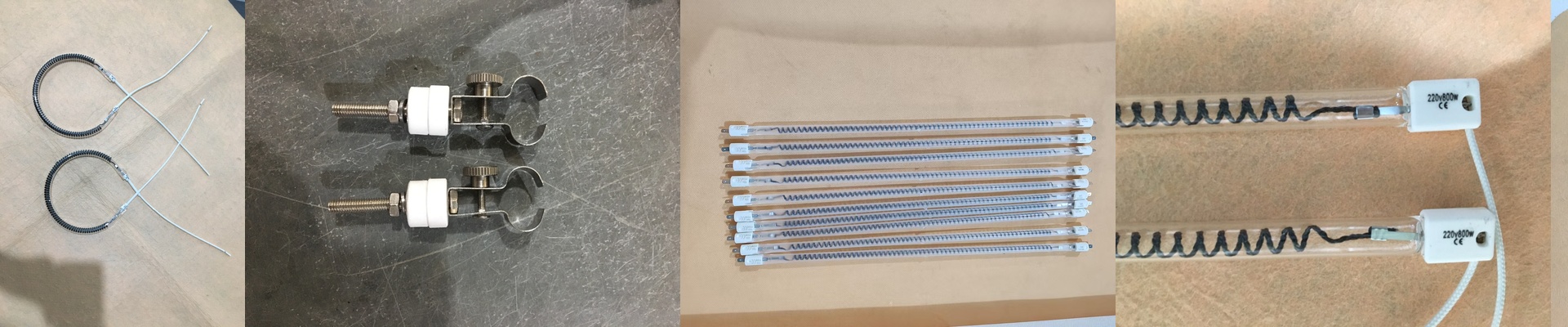
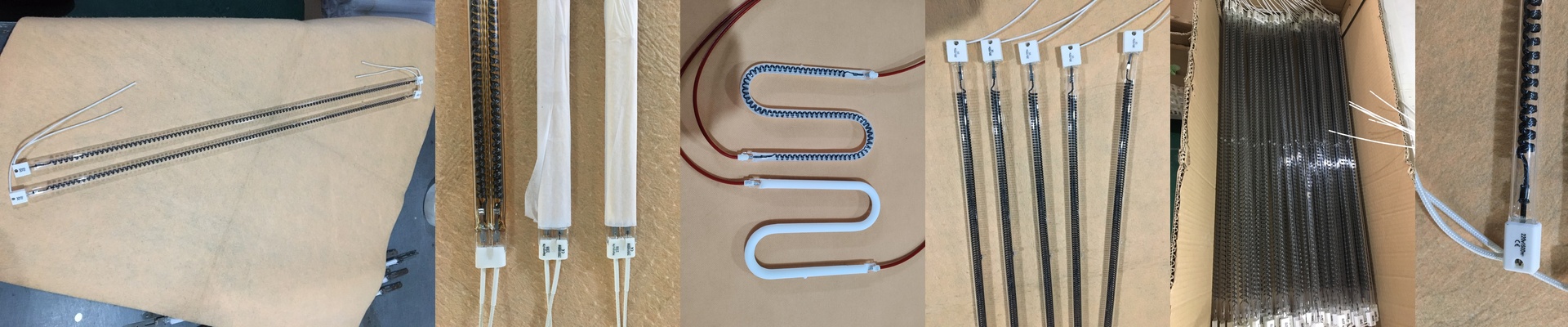
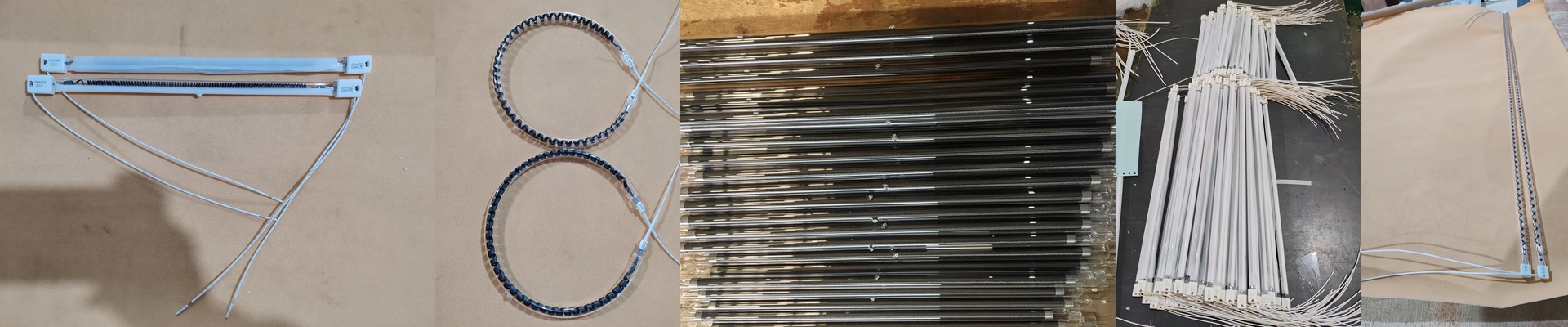
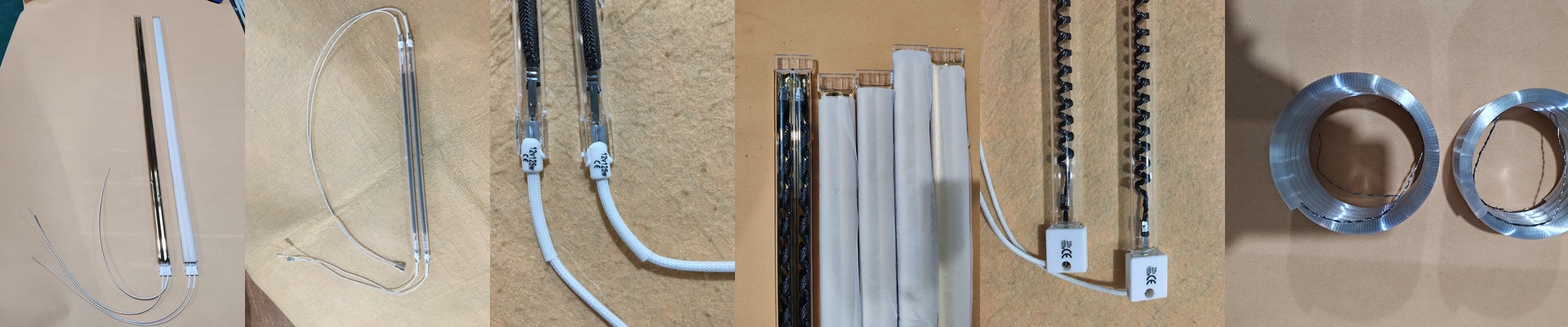
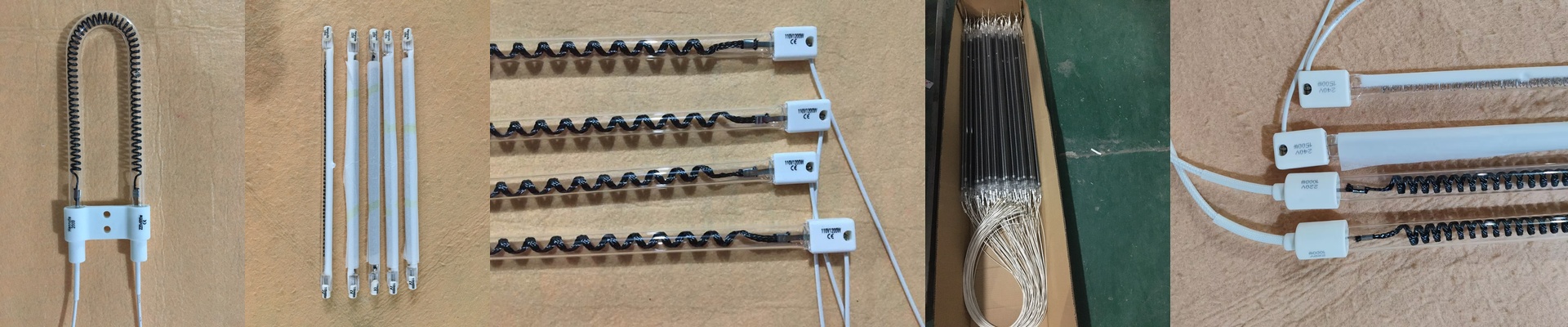
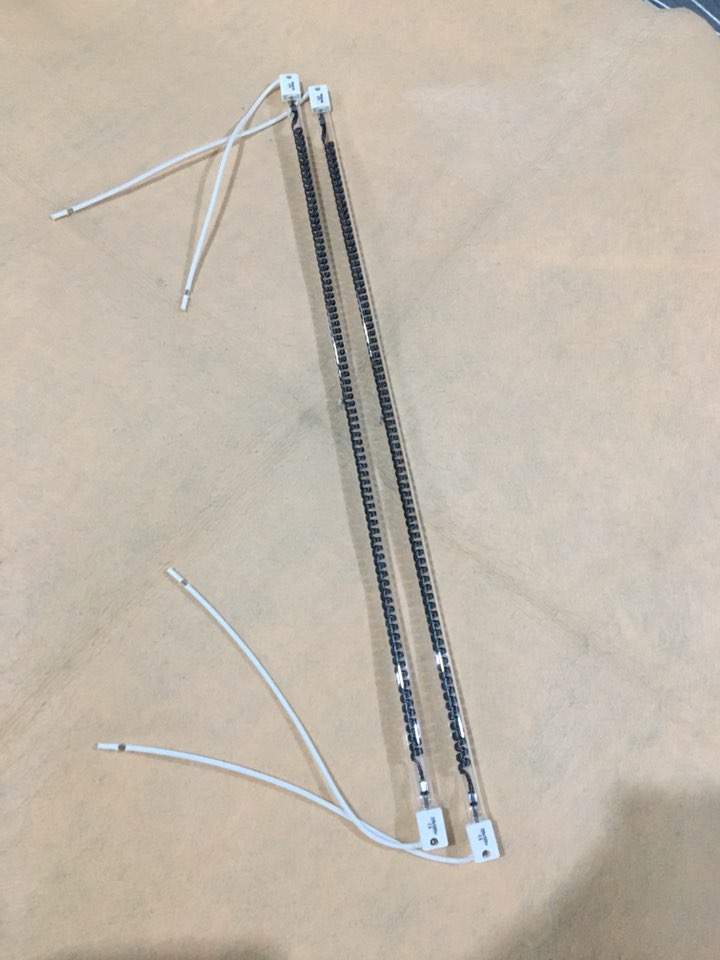
We designed these carbon fiber infrared lamps for those moments when you can’t afford to wait around for things to warm up. If you’ve got a tight 550mm space and need heat now, this is what you want. Most people are used to those old quartz halogen tubes. They’re fine, but they’re slow. We swapped those out for a conductive carbon filament. The result? The lamp hits your target temperature almost instantly. No more awkward lag time when you’re cycling the power. The Nitty-Gritty on Power It runs on 220V at 1500W. We picked this setup because it spreads the heat evenly across the whole 550mm length. You won’t have to deal with those annoying hot spots that ruin a workpiece. Plus, since it works with a standard 220V line, you can just wire it in. No need to mess around with bulky, expensive step-down transformers. Why Carbon Fiber? Here’s the thing: tungsten filaments tend to give up the ghost if you flip them on and off too often. Carbon fiber is different. It handles “thermal shock” way better, meaning it doesn’t crack or burn out under pressure. It also changes how the heat actually works. Instead of just warming up all the air in the room, the energy goes straight into your material. If you’re running an old curing or drying line, you can usually just pop these in to replace your old tubes and see an immediate difference. A Few Tips for Installation Since the 550mm length is fixed, you’ve got to be careful with the fit. Make sure your mounting brackets are lined up perfectly. If the tube is under any physical stress or tension when you lock it in, it’s going to fail a lot sooner than it should. And a heads-up: 1500W is a lot of heat for a tube this size. If you’re stuffing these into a tight box or a small enclosure,please check your ventilation. If the air can’t move, the heat just builds up inside. That “heat soak” can fry your wiring or warp the housing before you even realize there’s a problem. Keep an eye on your sensors and make sure you aren’t cooking your substrate.