Keeping Piglets Warm Without the Burn
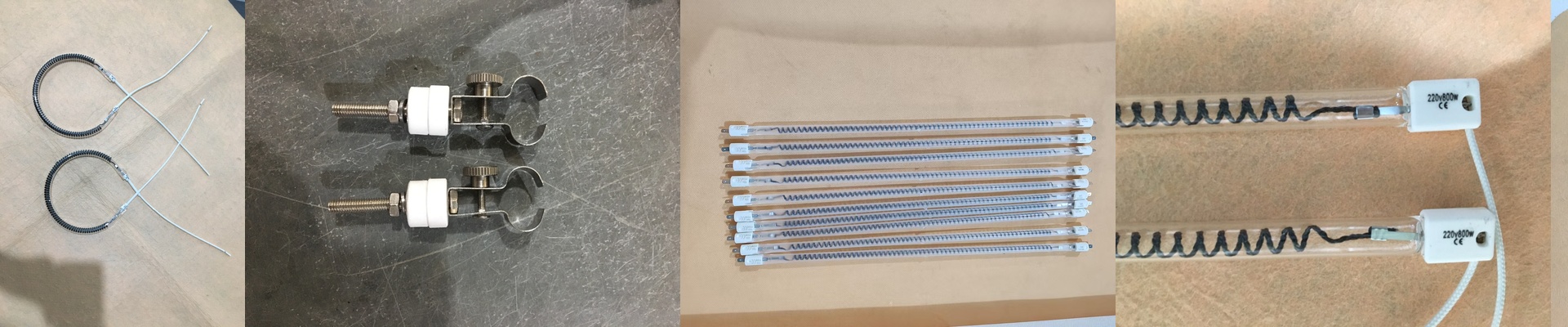
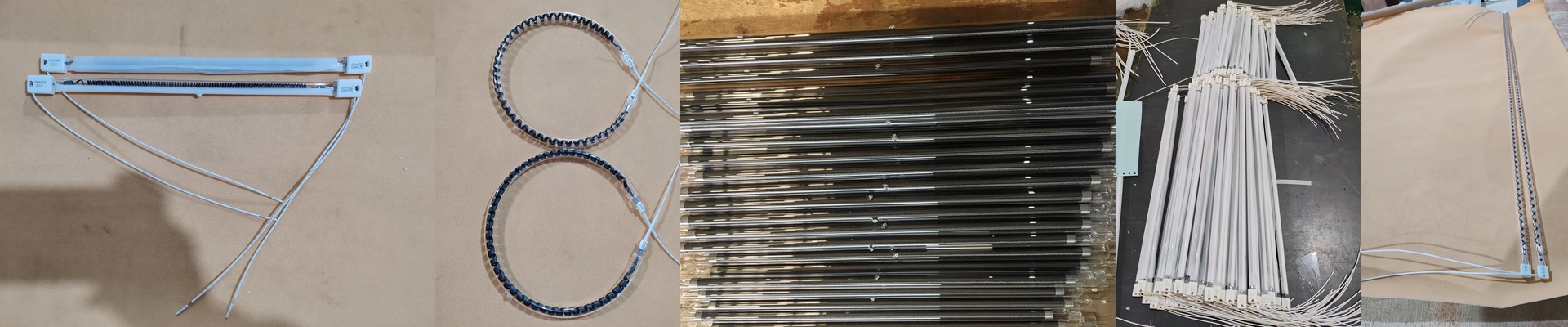
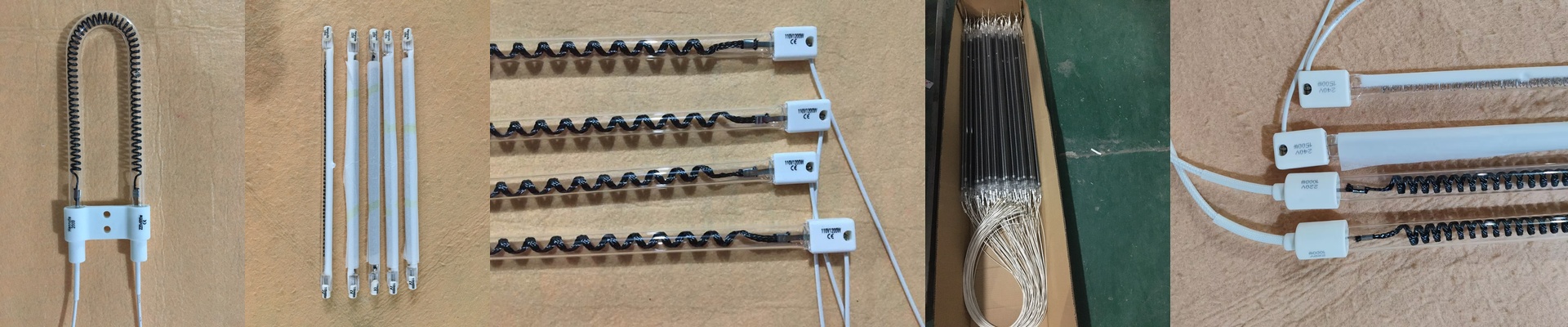
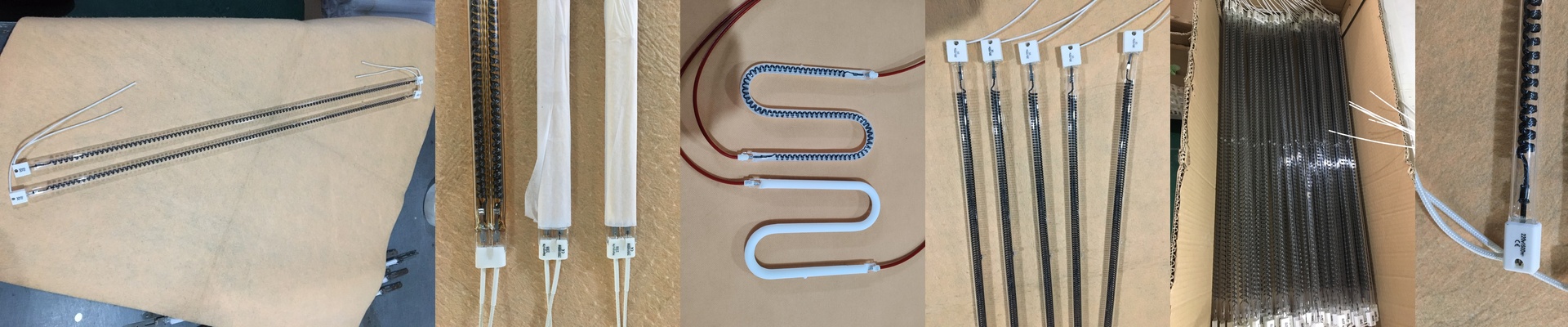
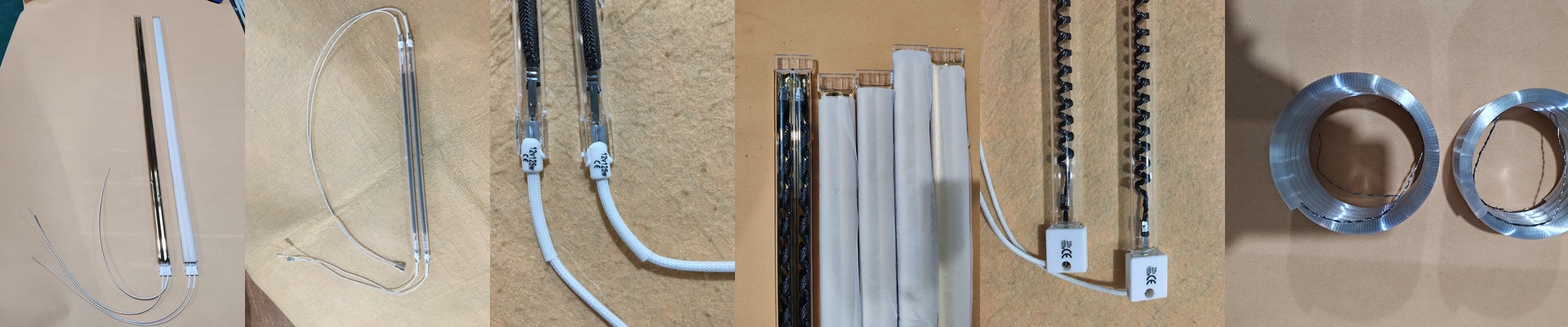
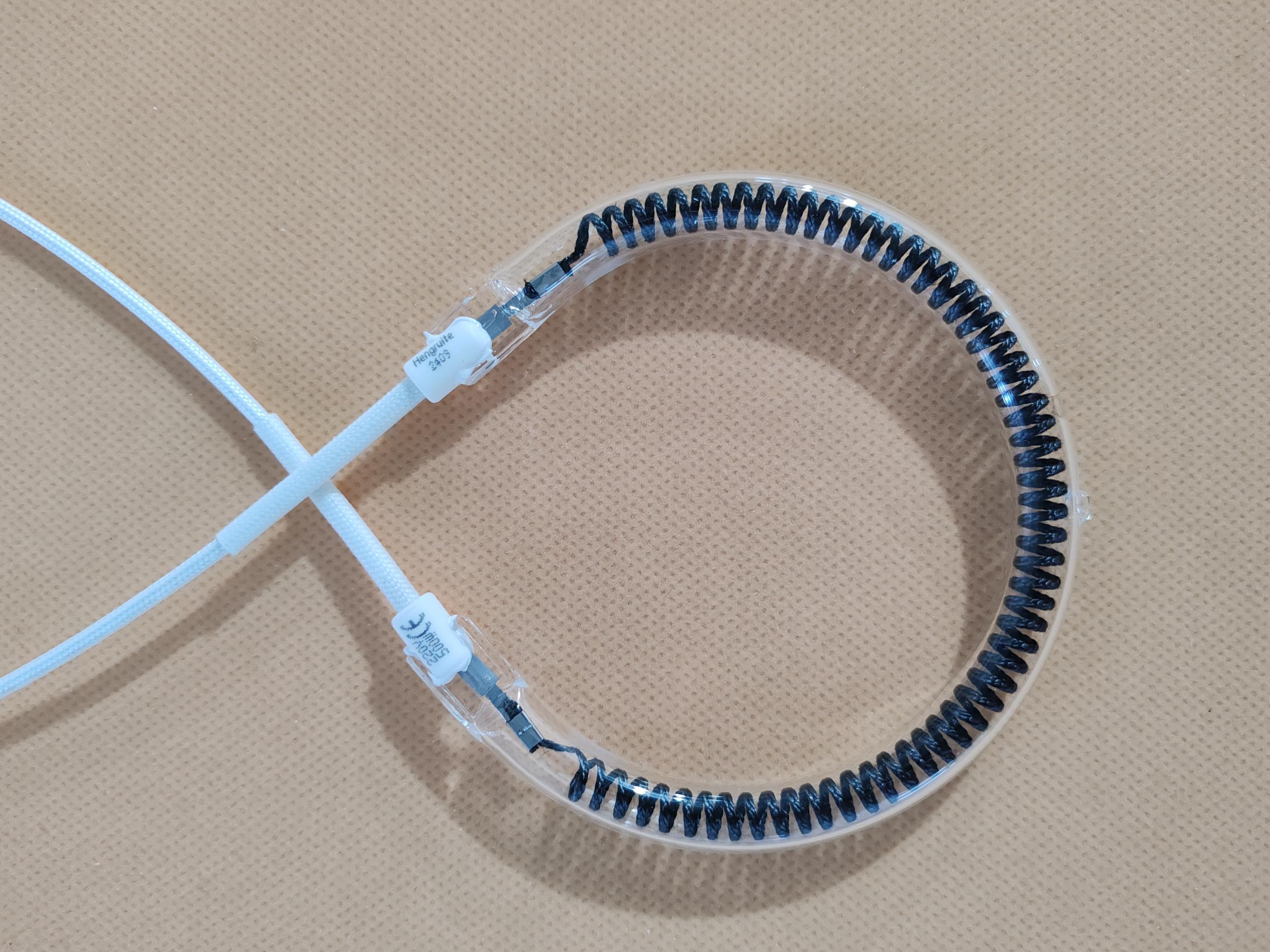
Keeping newborn piglets warm is a bit of a balancing act. We’ve found that carbon fiber heating elements are the way to go here. Unlike those old-school quartz lamps that can feel like a heat gun, carbon fiber gives off a softer, long-wave heat. It creates a cozy little bubble in the farrowing crate. The best part? You don’t have to worry as much about the little guys getting skin burns. The Heat Factor Most of these run on a standard 220V-240V circuit. When we set these up, we look at how much heat the creep area actually needs per square meter. Because carbon fiber filaments cover more surface area than those skinny tungsten wires, the heat spreads out. It’s a broad, gentle warmth. You won’t see those intense “hot spots” that usually lead to piglets piling on top of each other or overheating. Built to Last Inside the tube, you’ve got carbon fiber woven into a conductive core, all sealed up in high-purity quartz. Barn temperatures can swing wildly, and metal filaments tend to snap under that kind of stress. Carbon fiber handles those shifts much better. We also use reinforced end-caps, so you don’t have to worry about leaks or seals failing while the lamps are running for weeks on end. Getting Them Running These are pretty easy to install. They’re basically drop-in replacements for older halogen systems and work fine with most livestock controllers. One thing to keep in mind: they aren’t instant. Carbon fiber takes a little longer to reach peak temperature than a short-wave lamp. Just give them a minute to warm up. But here is the real catch:dust. Since these lamps stay on for weeks, dust loves to settle on the quartz tubes. That layer of grime acts like a blanket, trapping heat inside the tube. If you let that happen, the filament will spike in temperature and burn out way too early. Keep a cloth handy and wipe them down regularly. It’s a simple habit, but it saves you from the headache of replacing lamps in the middle of a cycle.