Why We Use Carbon Fiber for High-Heat Grilling
We went with 100% carbon fiber filaments for these lamps because we wanted a specific kind of heat—the kind that hits hard and fast. If you’ve used standard nichrome wire, you know there’s usually a wait. Not here. Carbon fiber handles a way higher current density, which means you get near-instant heat the second you flip the switch.
What’s actually happening inside?
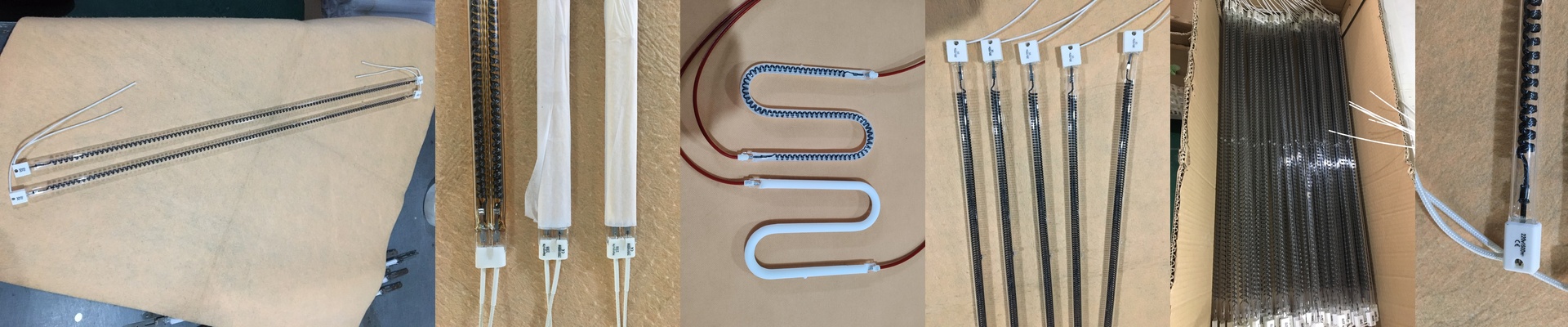
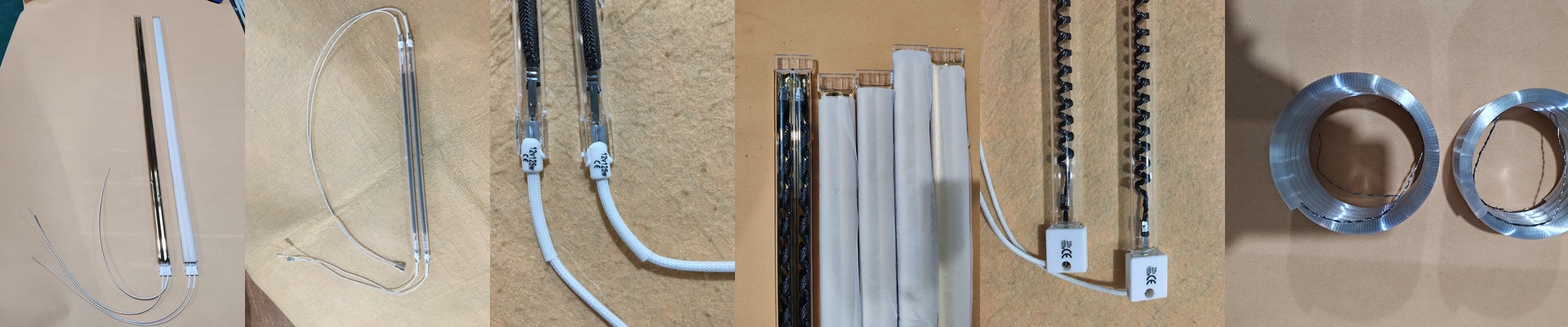
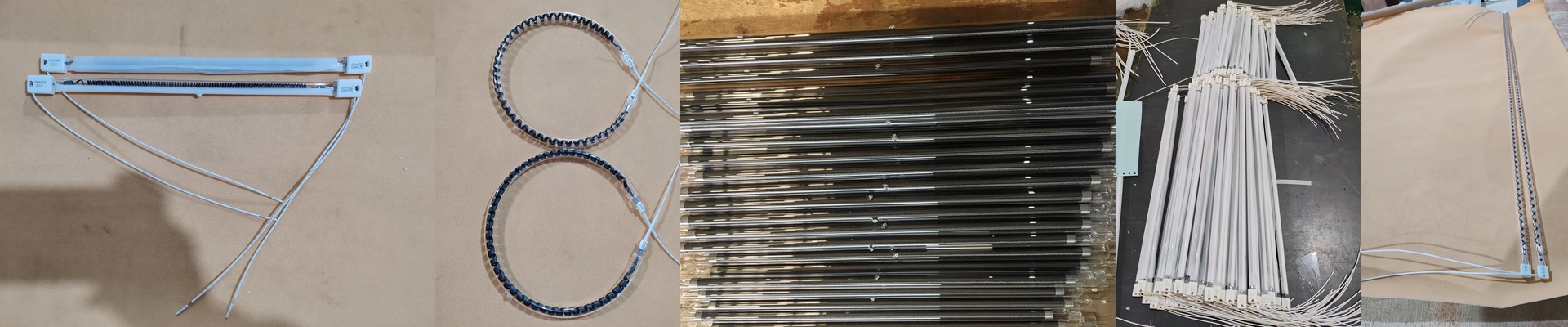
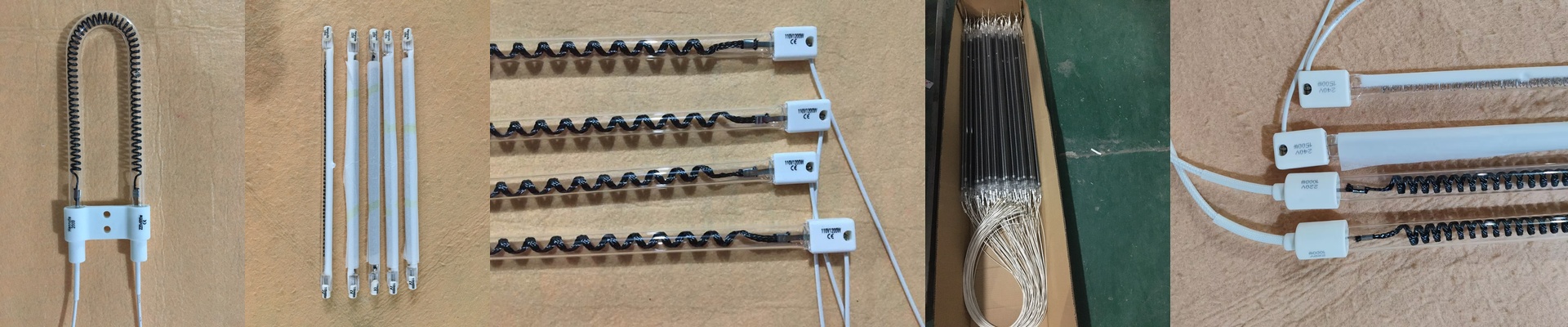
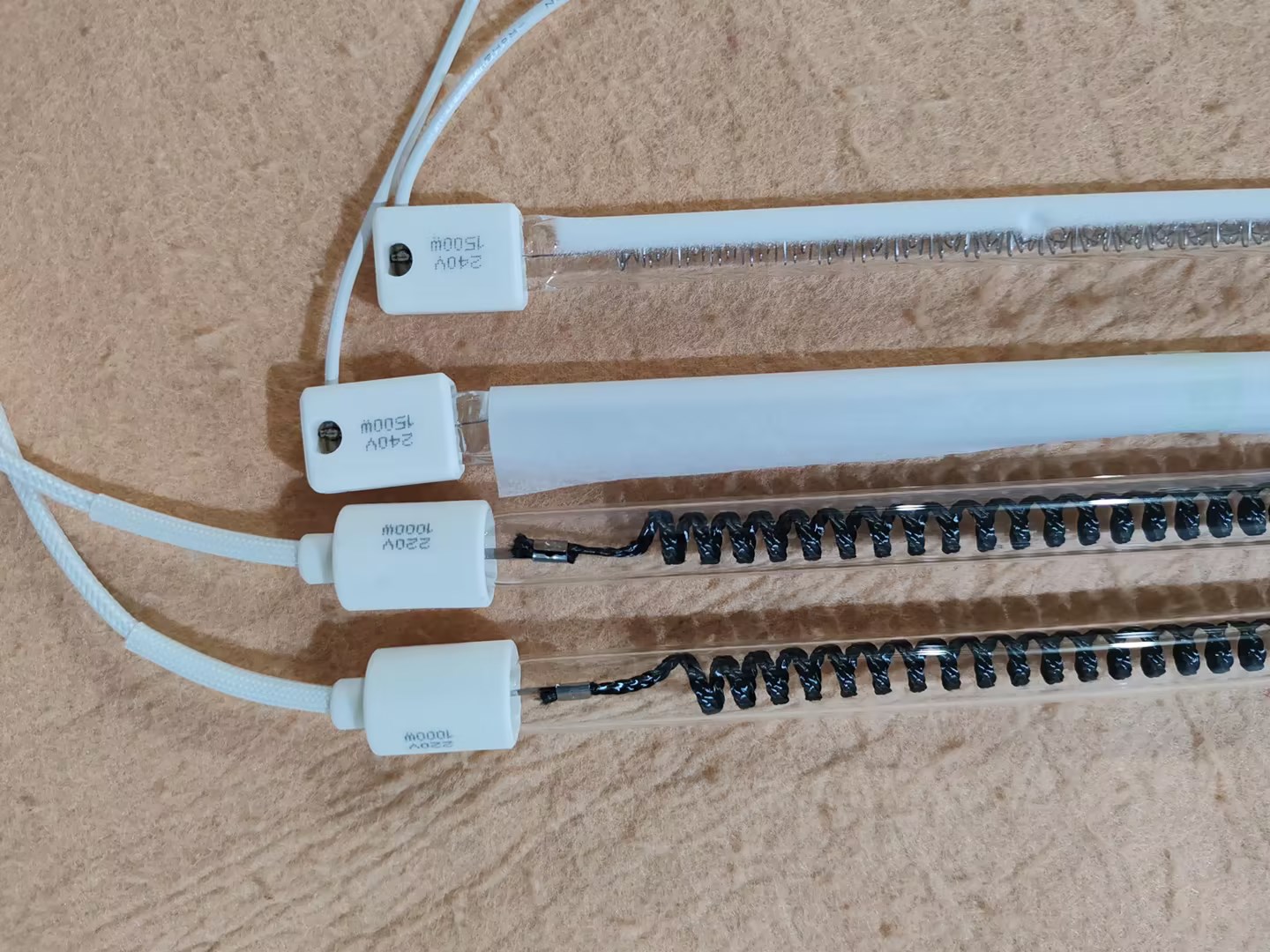
Think of the emitter as a conductive carbon weave. The cool part is that it can take a massive amount of thermal stress without just crumbling or oxidizing like old-school metal coils do. We specifically chose this for barbecuing because it creates a concentrated blast of heat. It’s perfect for getting that deep, crusty sear on the outside of a steak without cooking the inside into a hockey puck. Plus, you get more radiant energy for every watt you put in compared to those quartz-halogen options. It’s just more efficient.
Putting it together
The filament sits inside a high-purity quartz tube. We use quartz because it does two things: it keeps oxygen away from the filament (so it doesn’t burn up) and it lets the infrared heat pass straight through without soaking it up. One heads-up on the wiring:**be precise with your voltage.**If you push too much power into the filament, you’ll fry that carbon weave in a matter of hours. It’s a delicate balance. I really recommend using a dedicated controller to manage the duty cycle so you don’t accidentally kill your lamp.
The trade-offs
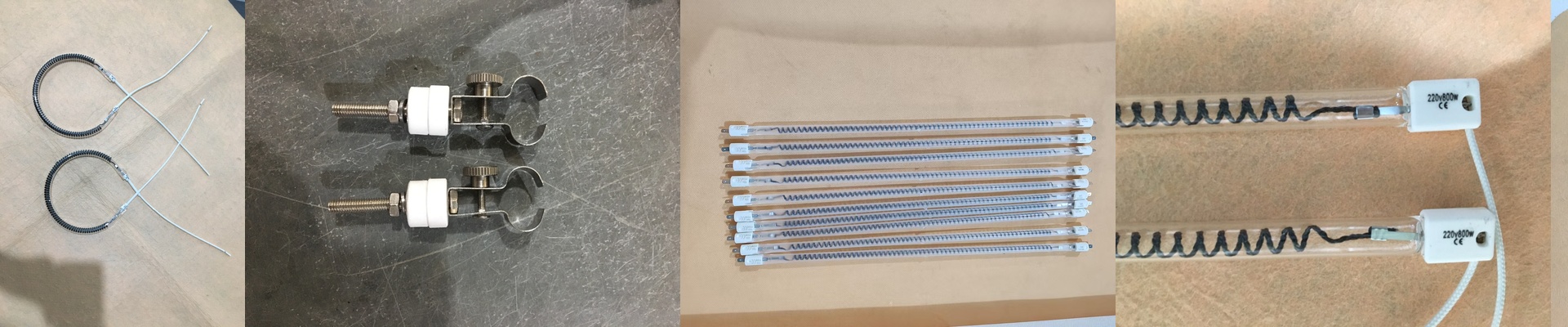
Here’s the thing: these lamps put out an incredible amount of heat. Because of that, the chassis around the lamp is going to take a beating from reflected radiation. Don’t skimp on your heat shielding or ventilation. If you do, your housing is probably going to warp. These are great drop-in replacements for traditional halogen tubes in high-end grills, but they’re a bit picky about power. Voltage spikes are the number one reason these fail early. Keep your power supply stable and clean, and these things will last you a long time.