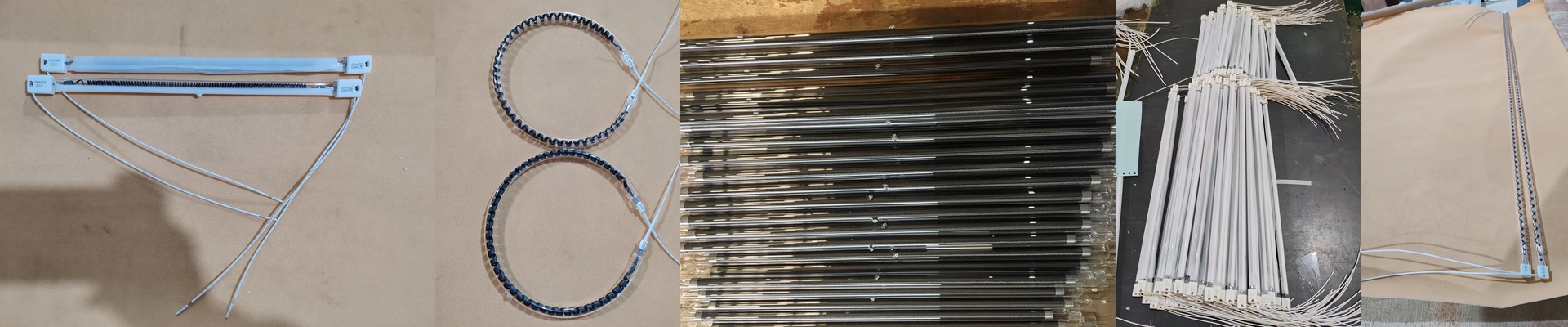
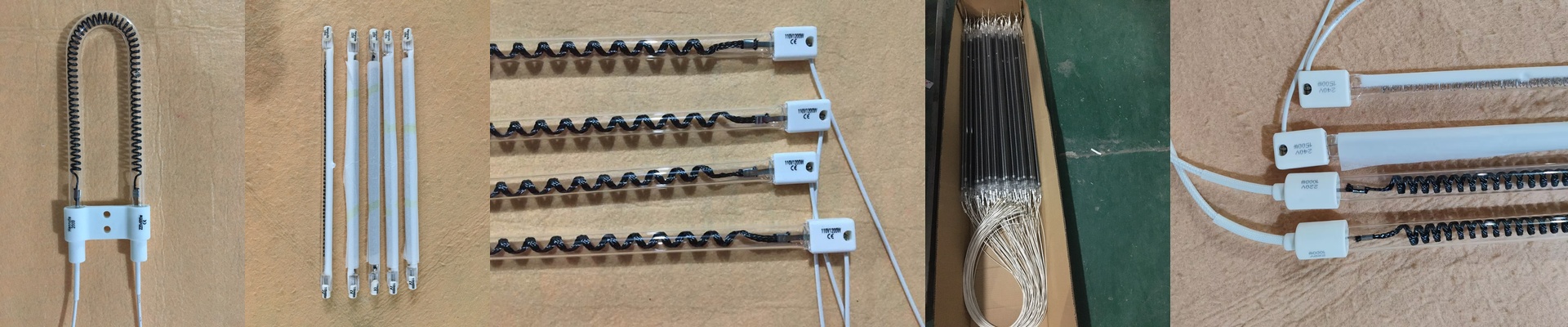
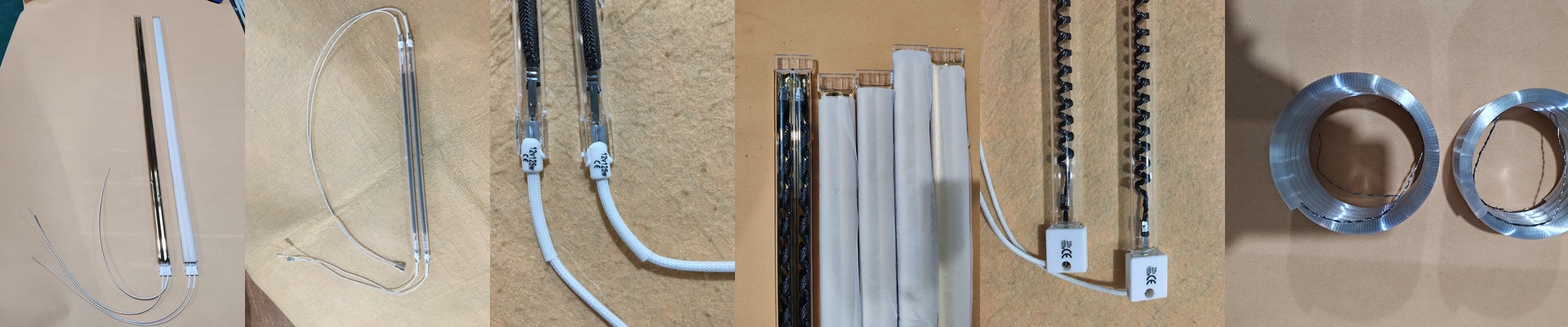
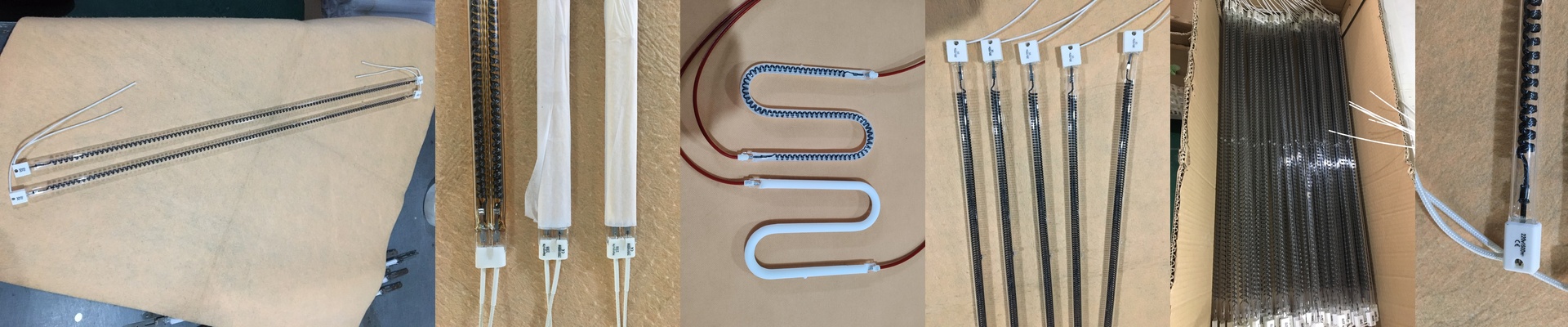
Let’s Talk About Medium Wave Carbon Fiber IR Emitters
Most people are used to those old-school tungsten filaments. But we’ve moved away from that. We use a carbon-fiber composite instead. Why? Because sometimes short-wave lamps just bounce off the surface, and those long-wave ceramic heaters take forever to get going. These carbon fiber lamps hit that sweet spot. They get deep into your material, but they do it fast.
How the heat actually works
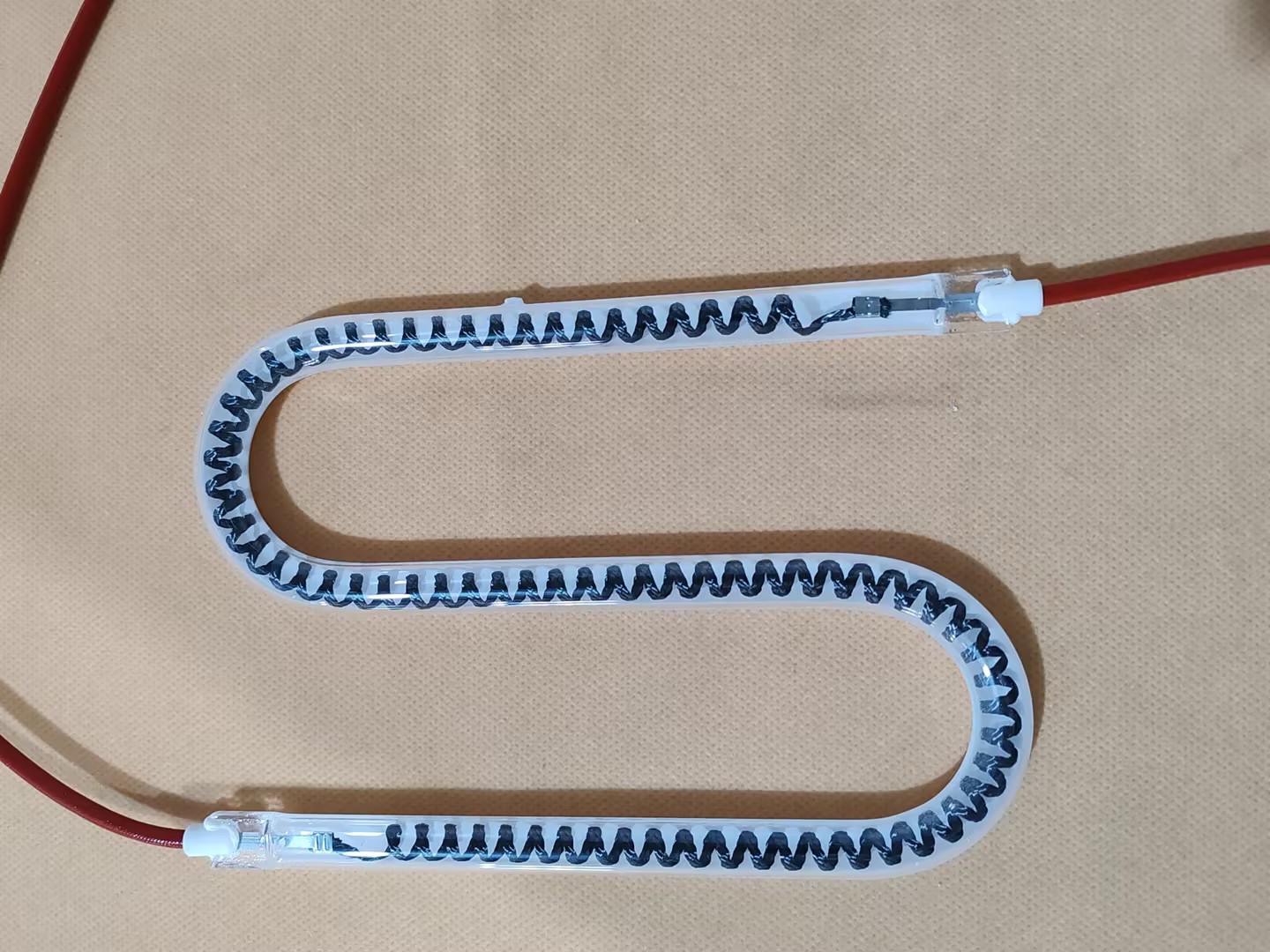
Think of it like this: we run a current through a conductive carbon weave. This creates a medium-wave infrared spectrum. Now, quartz lamps usually rely on one thin, fragile wire. Carbon fiber is different. It has a much larger surface area, which means the heat is spread out. You don’t have to worry about those annoying hot spots that end up scorching your product. It’s just a smooth, even heat across the whole tube.
The nuts and bolts
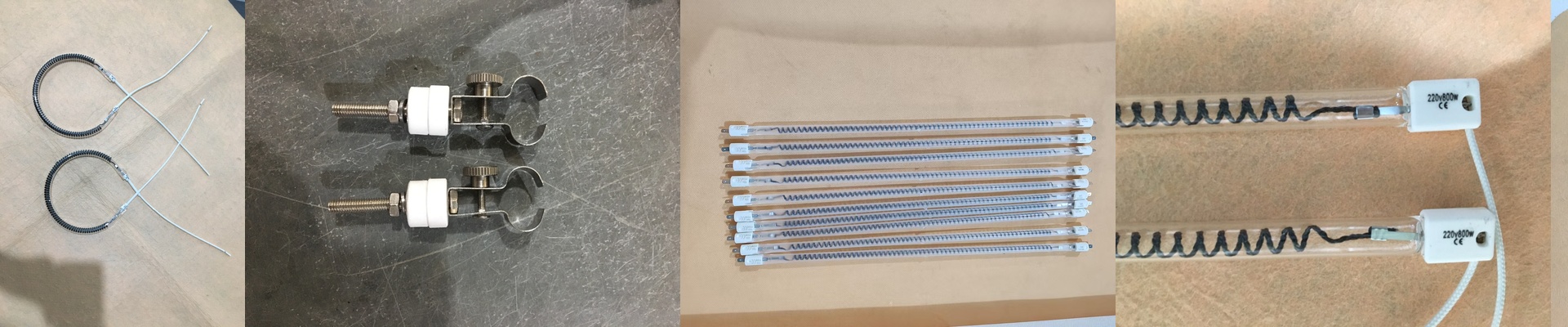
To keep the element from oxidizing, we wrap everything in high-purity quartz glass. It protects the guts of the lamp without blocking the heat from getting out. Depending on what you’re running, we can swap out the end-caps or connectors. Most of the time, they just slide right into your old system without any fuss. One thing I love about carbon fiber is that it doesn’t sag. Metal filaments tend to droop over time as they heat up, but these stay put. **Just a heads-up, though:**quartz is still glass. If your machinery shakes or vibrates a lot, don’t just wing it. Get a reinforced mounting bracket so you don’t end up with a cracked tube.
Putting them to work
You’ll see these all over the place—paint curing lines, plastic welding, drying ovens. Organic coatings and polymers just seem to soak up this specific medium-wave output. But here is the part where people usually mess up: the wiring. High-wattage carbon tubes pull a lot of current the second you flip the switch. If your controllers aren’t ready for that initial surge, you’re going to blow a fuse. And please, double-check your voltage. If it doesn’t match the lamp spec exactly, you’ll burn through the element way faster than you should.