Why We Use Carbon Fiber for High-Heat Grilling
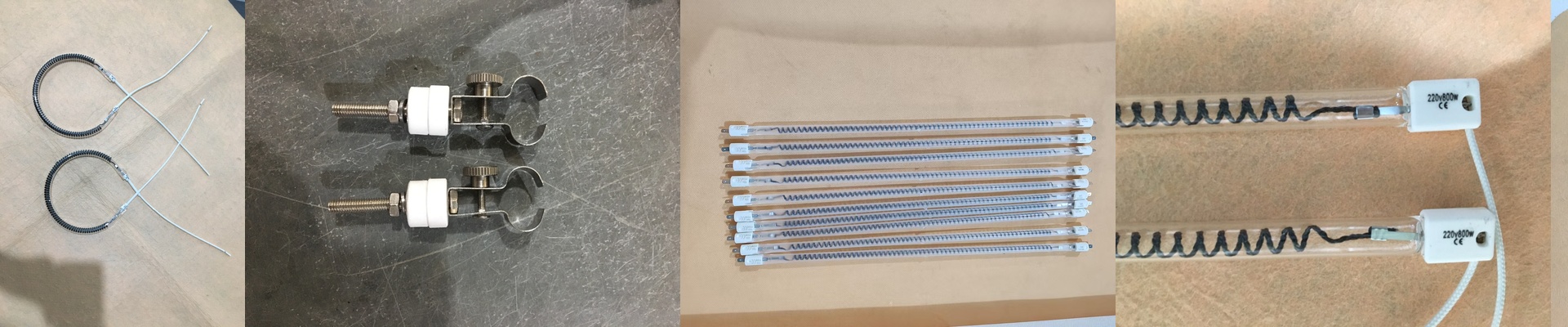
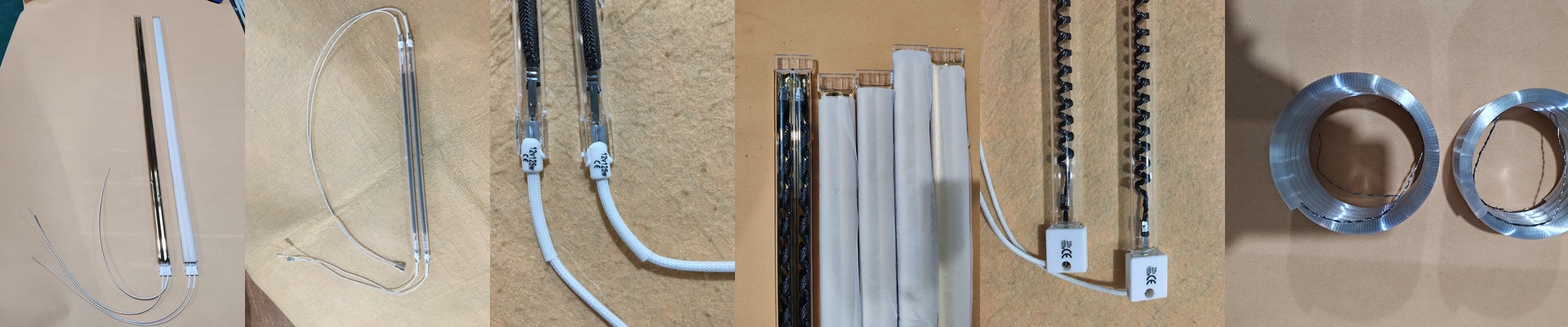
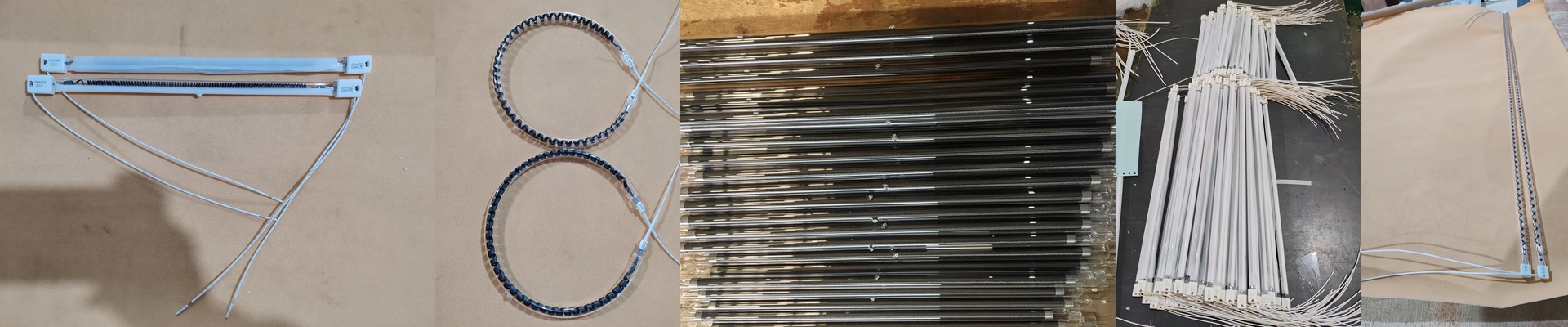
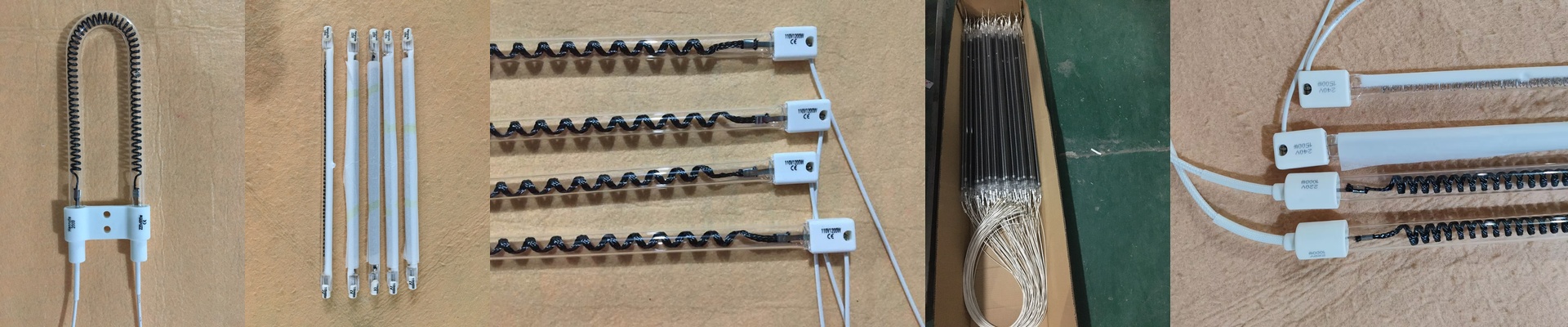
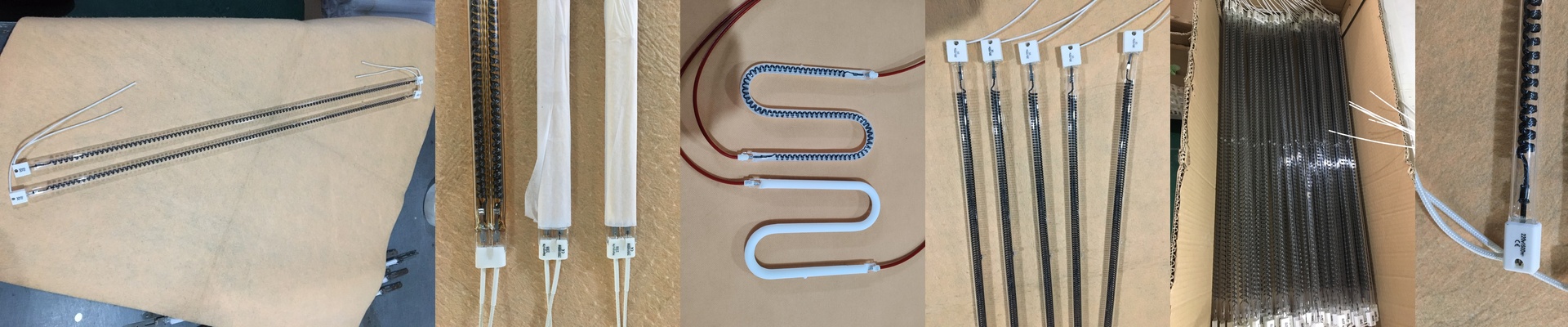
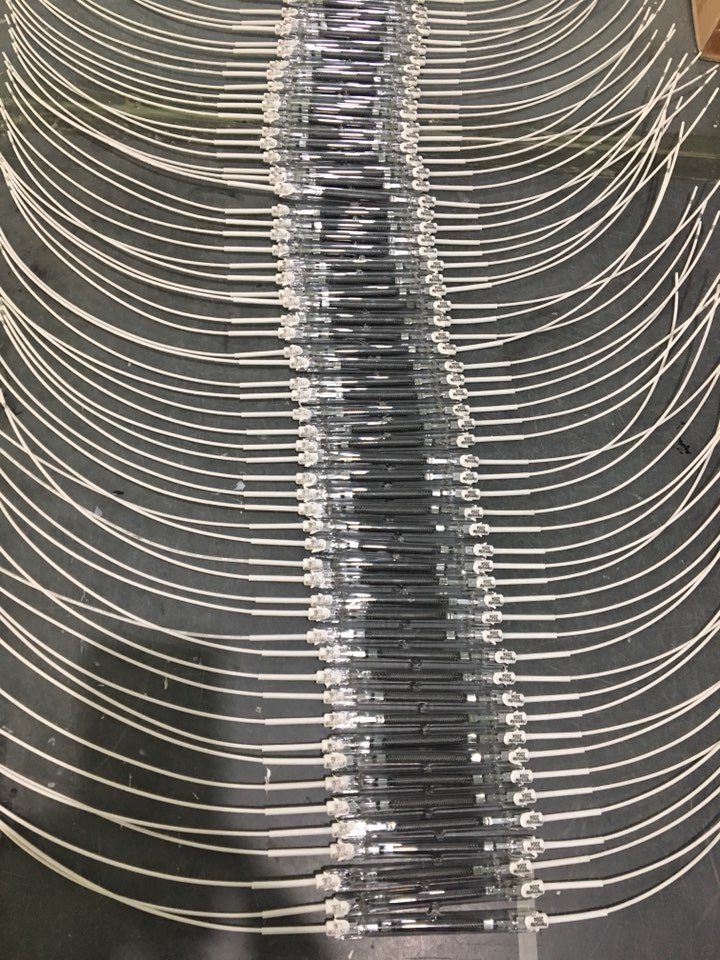
Let’s talk about those green carbon fiber filaments in our infrared lamps. They aren’t just for show. We use them because they change how heat actually hits your food. Standard quartz heaters are fine, but these? They ramp up almost instantly. The wavelength is different, too. It doesn’t just sit on the surface; it actually sinks into the food. Getting the heat where it belongs These lamps work on shortwave infrared. By packing all that power into a thin carbon filament, we get a massive amount of heat across the whole tube. The best part? You don’t have to stand around for twenty minutes waiting for the grill chassis to warm up. You get that thermal hit right away. Oh, and that “green” look? That’s just a specific coating that keeps the glare down so you aren’t blinded while you’re cooking, all while keeping the heat cranking. The build (and a warning) The filament lives inside a high-purity quartz tube. This is key because it keeps the carbon from oxidizing and burning out. We use standard industrial connectors, so if you’re swapping these into an existing grill, they should just slide right in. But here is a pro tip:Keep your fingers off the glass. Seriously. Grease or fingerprints create “hot spots.” When the lamp heats up, those spots cause the glass to stress and crack. Give it a clean install, and you’re golden. Putting them to work If you’ve ever dealt with a commercial BBQ setup, you know the struggle of uneven heating. These lamps fix that. The radiation is directional, meaning the energy shoots straight down. You’re heating the meat, not the air around it. It’s way more efficient. Just a couple of things to watch out for. These tubes get incredibly hot, so make sure your housing has plenty of airflow. If you cram them into a tight spot without venting, you’ll fry the filament. Also, make sure your power source is steady. A big voltage spike can snap a carbon fiber filament in a heartbeat. Keep the power clean, and these things will treat you right.