A Real-World Guide to Quartz Carbon Fiber Heating Lamps
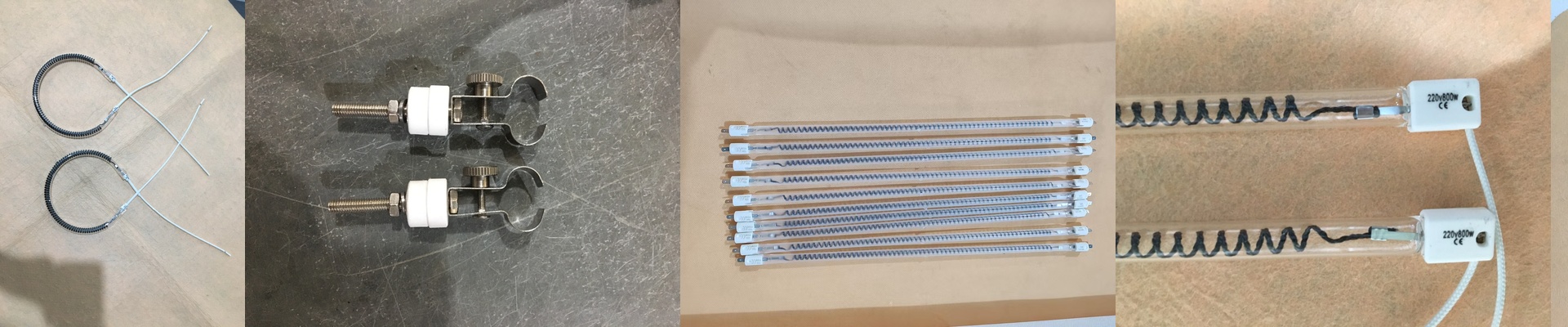
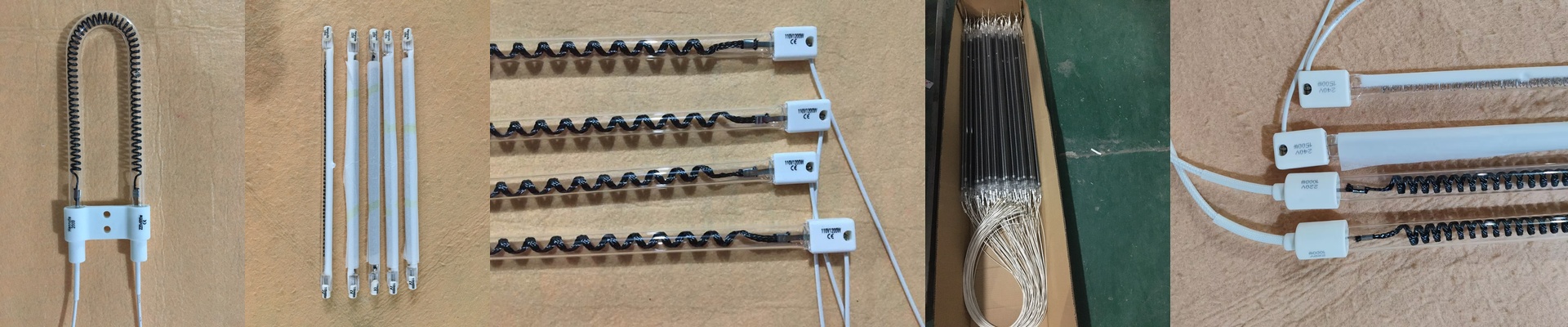
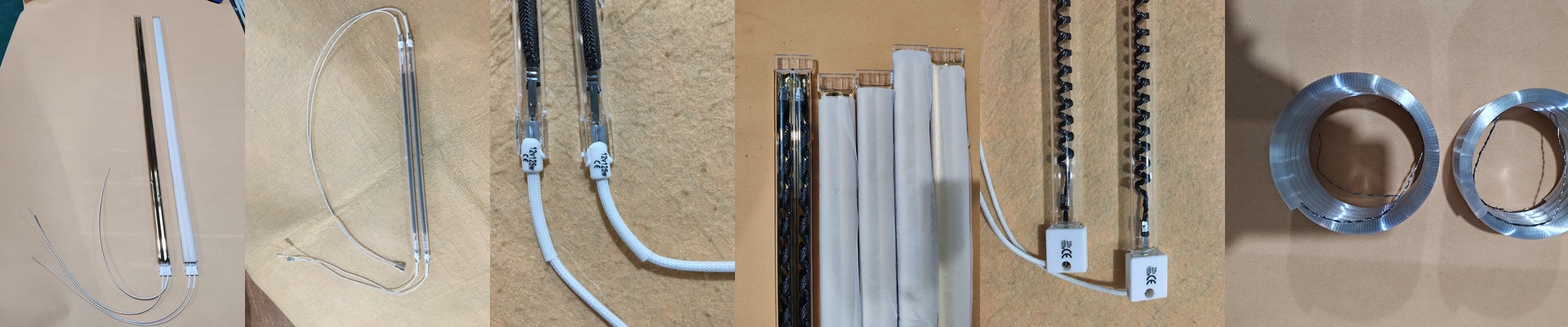
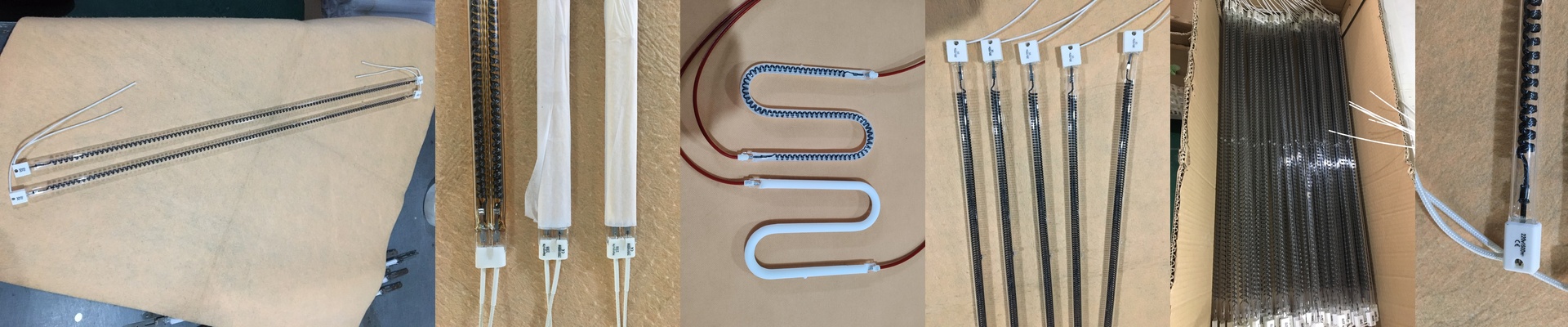
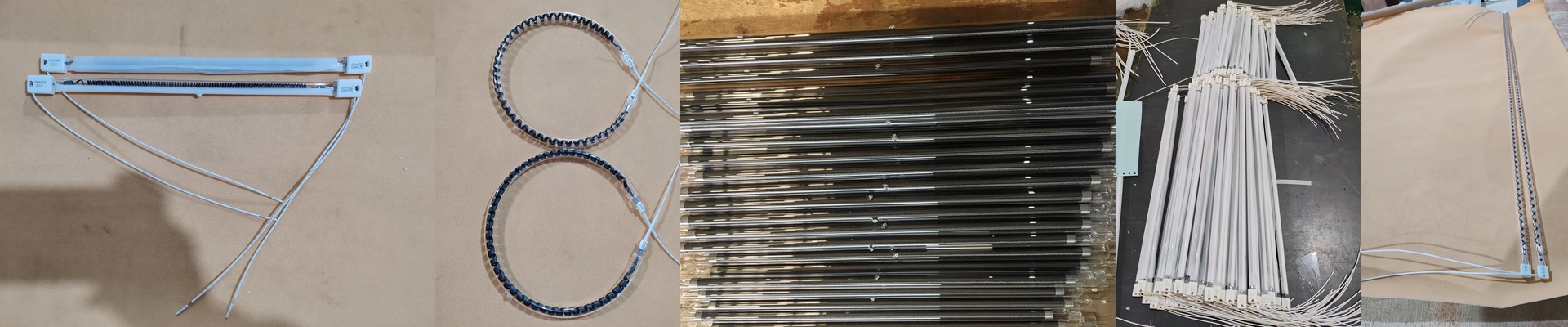
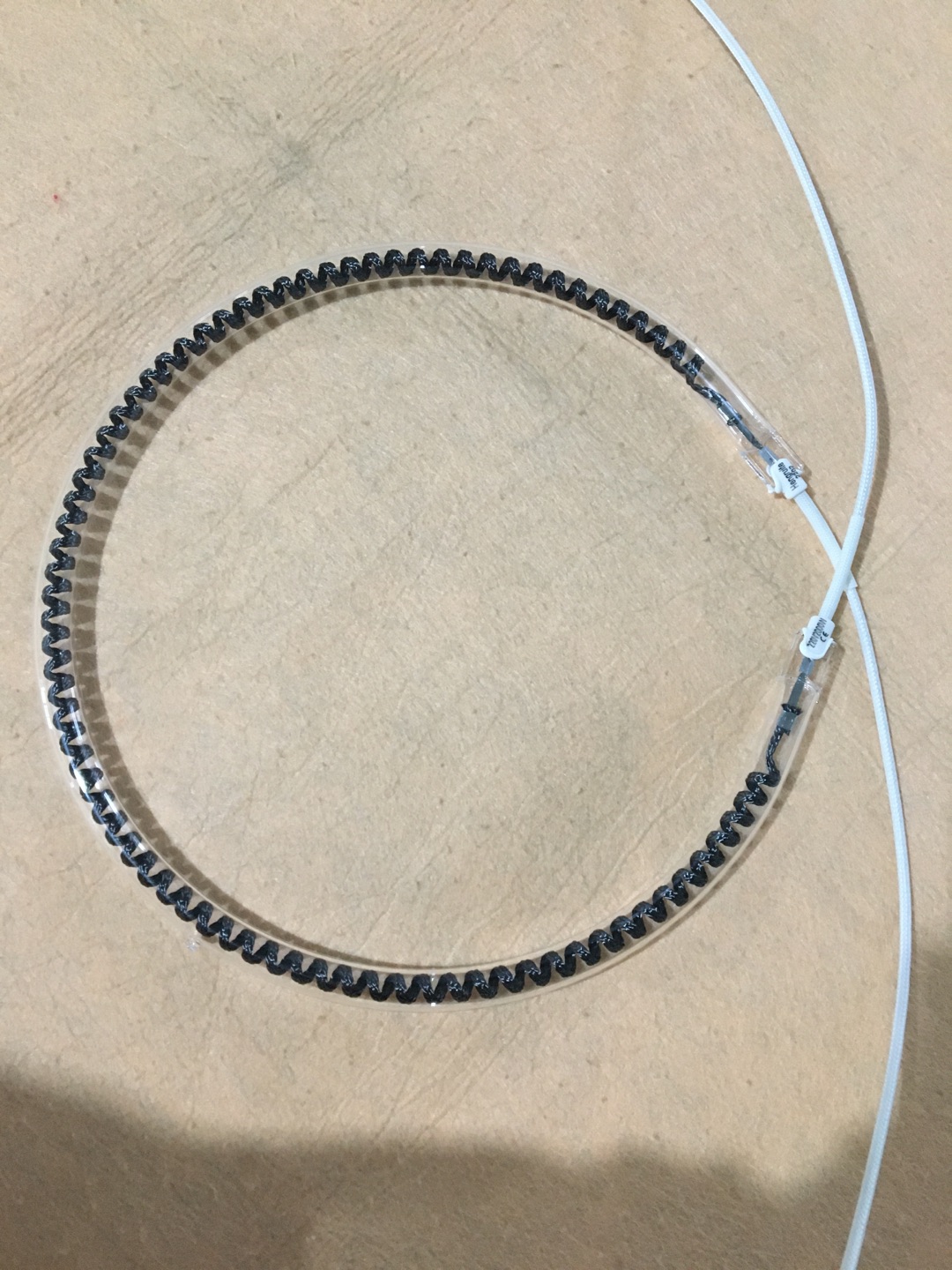
Let’s talk about how we actually build these quartz carbon fiber lamps. The goal is simple: get infrared energy exactly where it needs to go. Instead of using those old-school metal filaments, we wrap a carbon fiber heating element inside a high-purity quartz tube. The result? The heat doesn’t just sit on the surface—it actually sinks deep into your materials. The nitty-gritty on power and voltage Here’s the thing about wattage and voltage: they control your heat flux. If you pack a lot of wattage into a short tube, you get a much higher power density. That’s great for industrial ovens because it means you aren’t sitting around waiting for things to warm up. But be careful. Your power supply has to be a perfect match for the lamp’s voltage. If you over-volt it, you’ll fry that carbon filament almost instantly. It’s a quick way to waste a lamp. Why quartz and carbon? The quartz tube does two jobs. It keeps the carbon fiber from oxidizing (basically stopping it from burning up) and lets the infrared radiation slide right through without getting trapped. We stuck with carbon fiber because it handles the “stretch and shrink” of heating and cooling way better than tungsten. It doesn’t warp when you’re cycling the power on and off. As for the wiring, whether you’re using R7s or SK15 connectors, these are designed to just slide right into most standard infrared arrays. No headaches there. Where these actually work (and where they don’t) These are a dream for PET blowing, curing paint, or welding plastics. Since the carbon fiber element is a consistent line rather than a coiled wire, the heat spreads across the tube much more evenly. But there’s a catch.These lamps are fragile. They can’t take a beating. If your machinery shakes or vibrates a lot, don’t just bolt them in. You’ll need dampened fixtures, or they’ll snap. Also, keep an eye on your cooling system. You need to move the heat away from the ends of the lamp, otherwise, you’re going to melt your connectors.