Getting Your IR Lamps to Actually Fit (and Work)
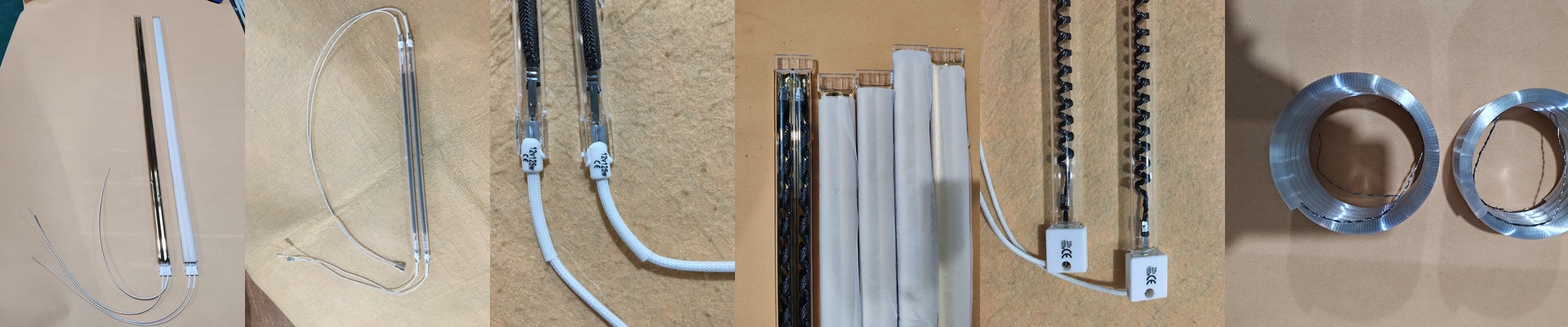
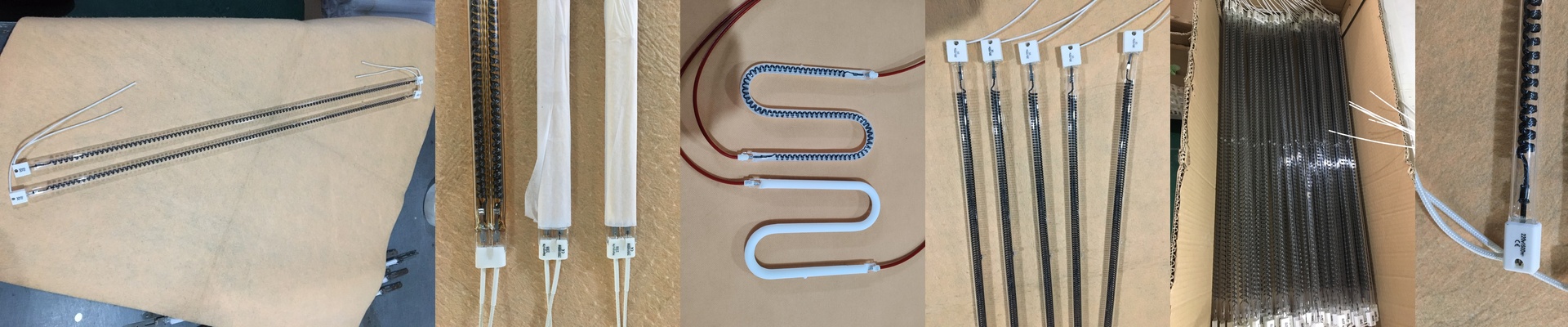
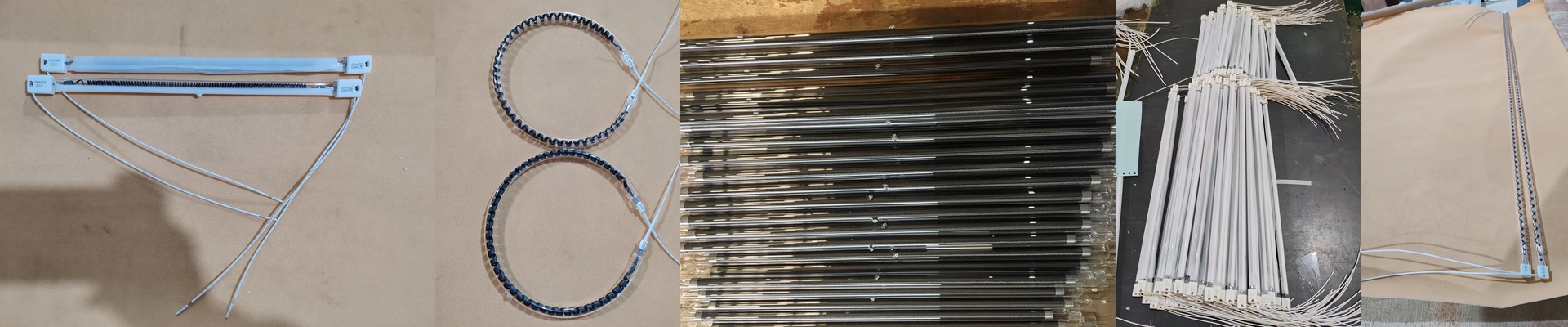
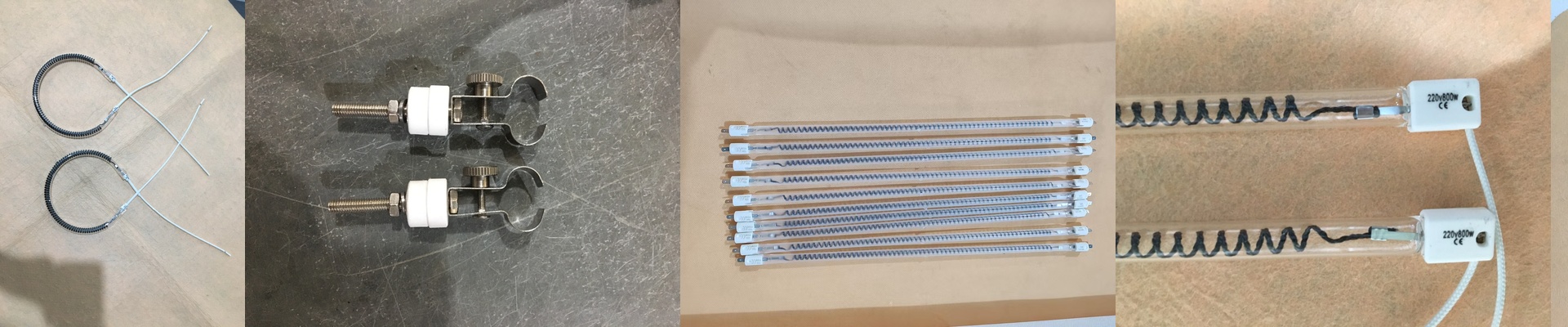
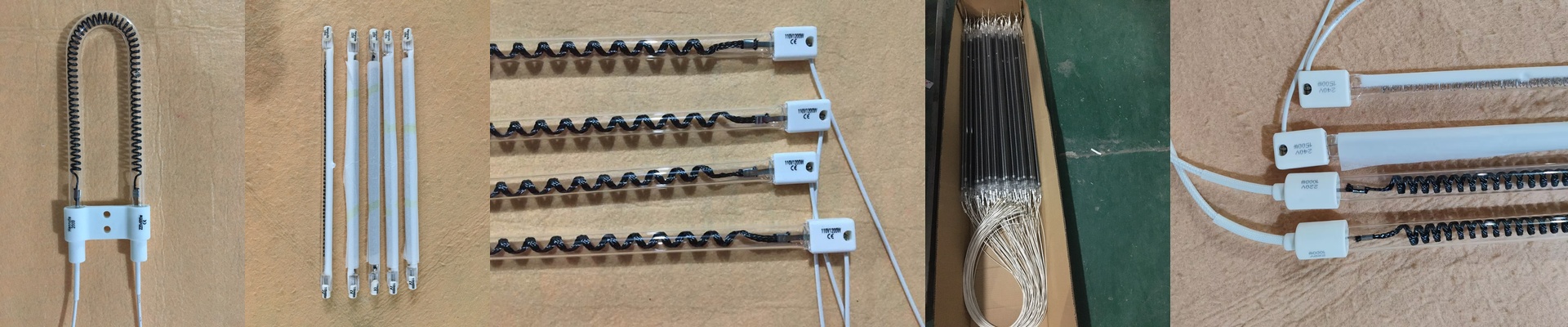
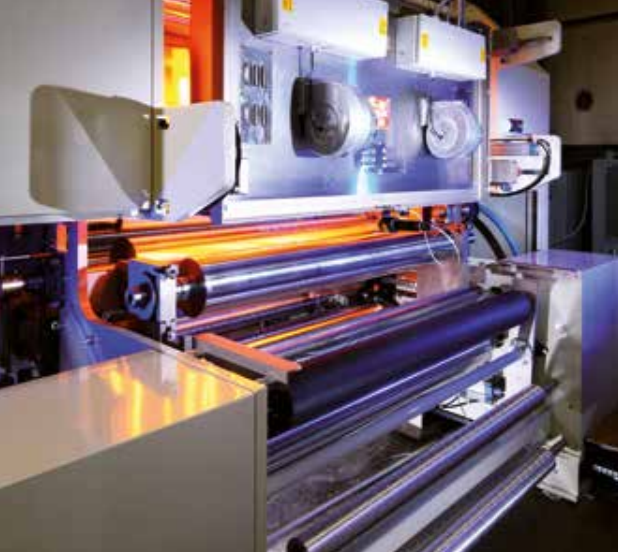
If you’ve ever tried to swap out an infrared lamp in a printing press, you know the headache. You’ve got machines from five different brands, all from different corners of the globe. You quickly realize that just getting the length right isn’t enough. That’s why we build our lamps to be true drop-in replacements. We don’t want you hacking away at your machinery just to get a bulb to fit; we match the electrical and physical footprint of the big-name presses so you can just plug and play. The Voltage Headache Here’s the thing: different brands build for different power grids. Some need 220V, others need 400V. We build our tubes to handle those specific swings. By using higher voltage where it makes sense, we hit the wattage you need without overloading the current. It keeps your wiring from getting dangerously hot during those long, overnight production runs. You get the heat you need to flash-dry that ink, and your breakers stay exactly where they belong—flipped on. Quartz and Connectors We use high-purity quartz glass. Why? Because we want the heat hitting your paper or plastic, not soaking into the lamp housing. Then there are the connectors—R7s, SK15, and the rest. They look similar, but they aren’t the same. If the pins are off by a fraction, you get poor contact or, worse, an arc-over. We stick to the exact pin spacing and locking mechanisms of the original parts. It means you can wire everything up fast and get back to work. Dealing with the Heat Our lamps put out high-intensity shortwave radiation. It’s powerful stuff. It dives straight into the ink to push out the solvents fast. But a word of advice: that kind of heat is tough on your reflectors. If yours are pitted or looking a bit oxidized, you’re losing power. Plus, you risk getting “hot spots” that can actually burn your substrate. I’d suggest checking your reflector alignment every 1,000 hours just to be safe. And remember, it’s all a balancing act. You have to match your wattage to how fast your conveyor is moving. If they aren’t in sync, you’ll end up with ink that bleeds or material that’s over-cured. We’ll give you the exact specs so you can dial in your line speed perfectly.