Getting Your MHM Heating Just Right
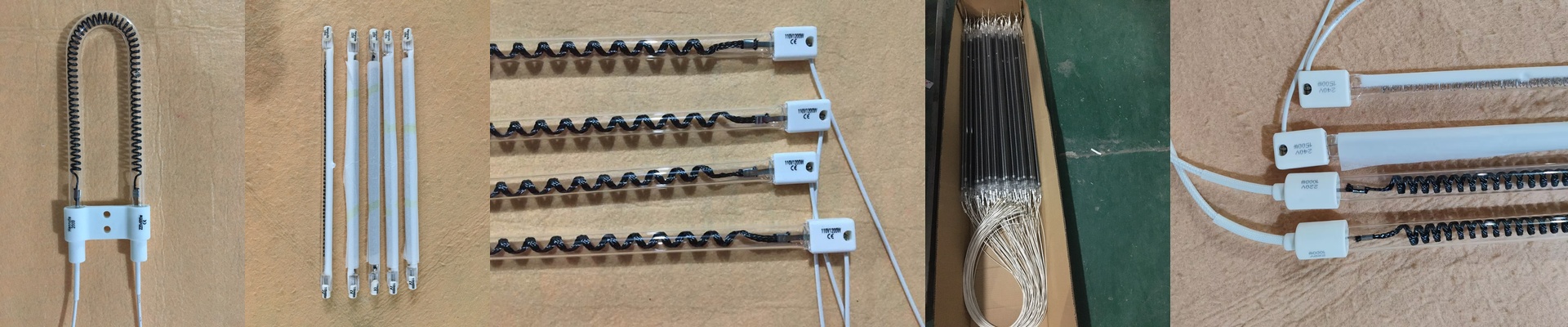
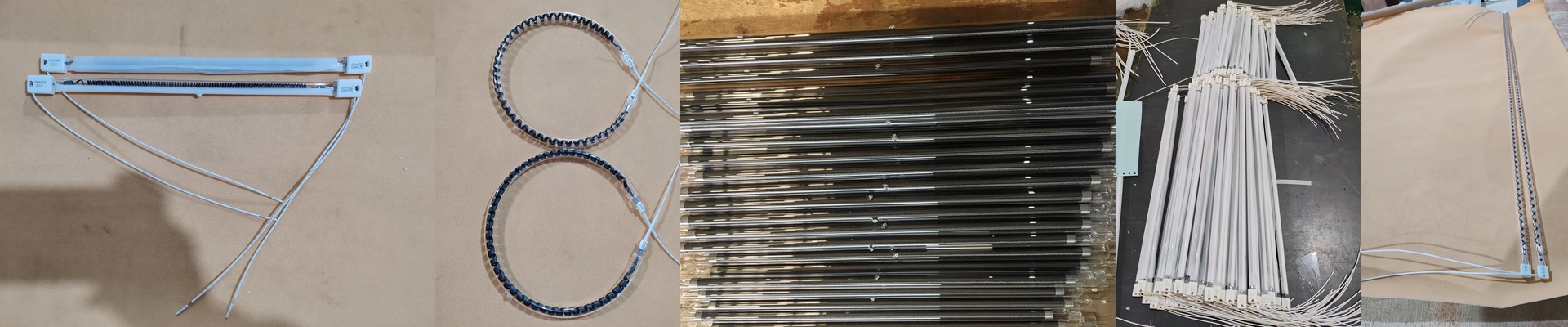
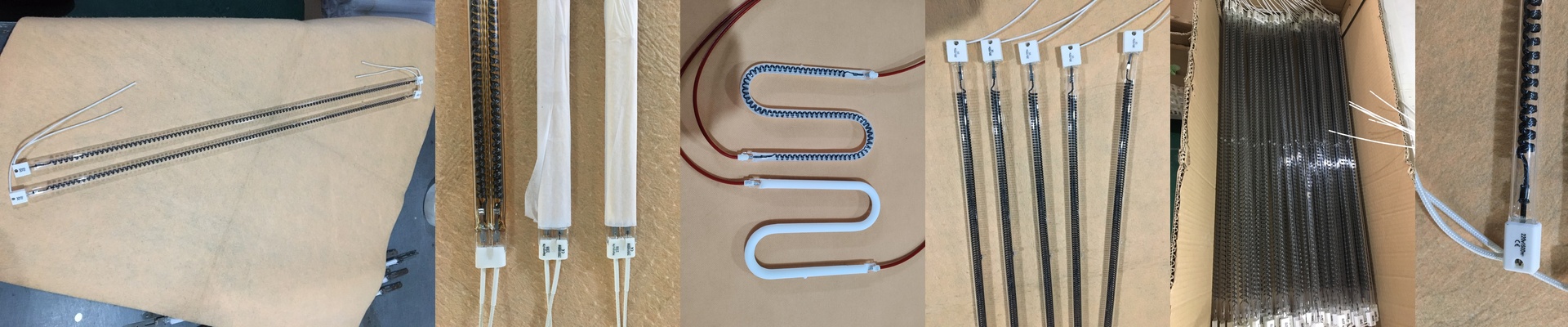
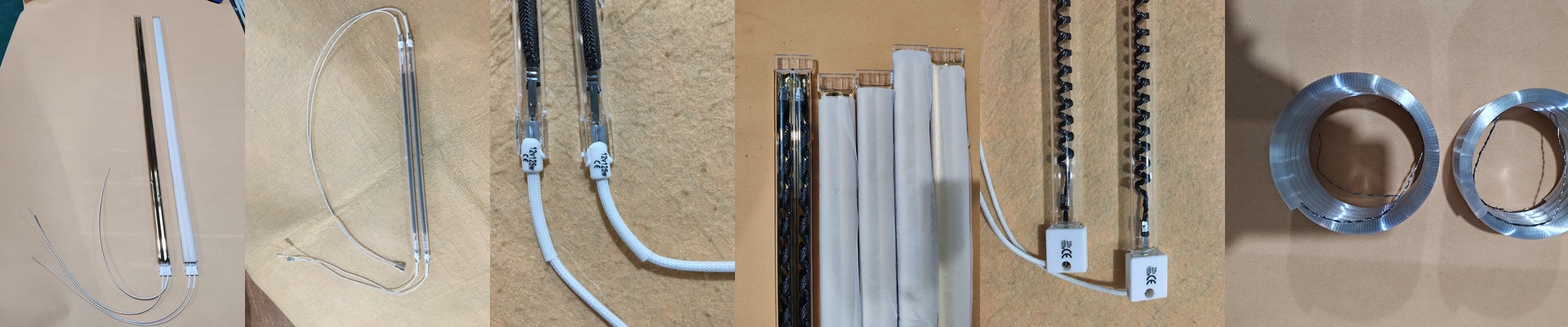
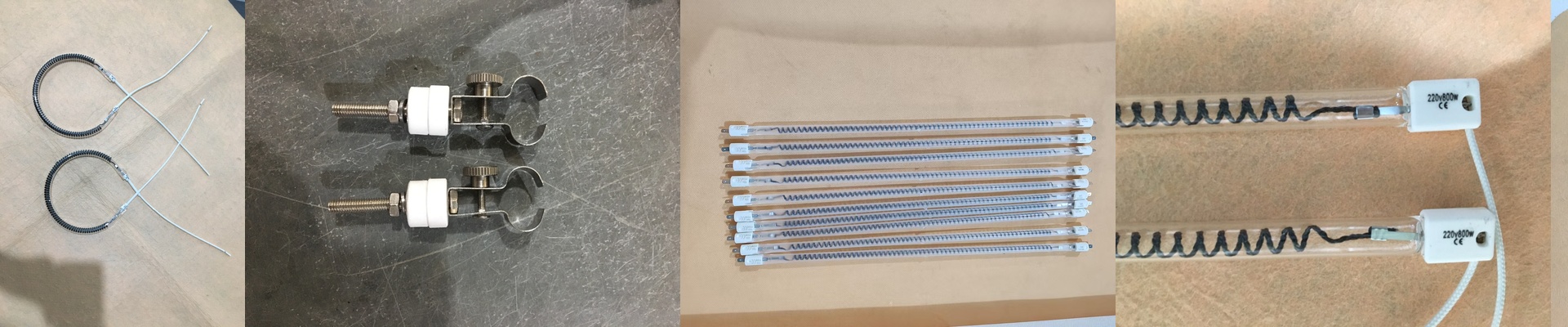
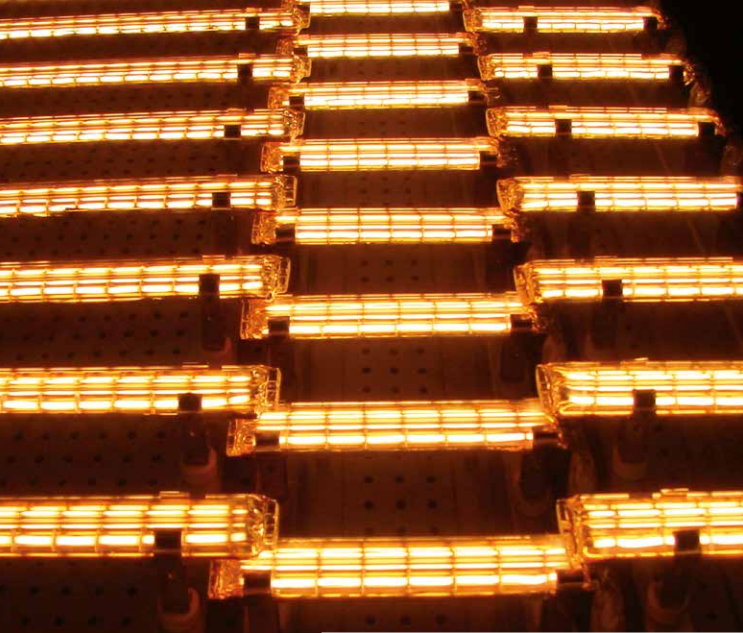
When it’s time to replace the infrared lamps in your MHM printer, it’s easy to think of it as just swapping out a lightbulb. But we both know it’s not that simple. It’s really about how the heat hits the ink and how fast that ink actually sets. If you want your machine to run exactly like it did the day it left the factory, you need a replacement that hits the same wattage and spectral output as the original. Period. The deal with power and voltage MHM systems are picky. They rely on a very specific amount of heat per centimeter to cure the ink without ruining the fabric. We build our lamps to hit those exact electrical loads. Why does that matter? Because if the voltage is off, you’re asking for trouble. You might trip a breaker, or worse, overheat your wiring. Plus, the wrong wattage usually means a nightmare on the production line—either your ink stays tacky, or you end up with scorched shirts. Neither is a good look. Quartz and connectors We use heavy-wall quartz glass. It’s tough, which is necessary because these lamps go through a lot of thermal shock every time they cycle on and off. We stick with shortwave infrared tech here. It digs deeper into the ink layer and knocks down your cure time. As for the fit? We use the standard R7s or SK15 connectors. You just plug them in. No hacking, no modifying sockets, no headaches. One thing to keep in mind High-output lamps put out a massive amount of heat. It’s intense. Because of that, you’ve got to make sure your ventilation is actually doing its job. If the airflow around the lamp housing is blocked or weak, the quartz can overheat. And when that happens, the lamp burns out way faster than it should. Keep it breathing. The best part When the specs match the OEM perfectly, you don’t have to spend your afternoon messing with conveyor speeds or fiddling with temperature controllers. Everything just works. The lamp fits the socket, the heat transfers the way it’s supposed to, and the ink dries right. You can just get back to printing.