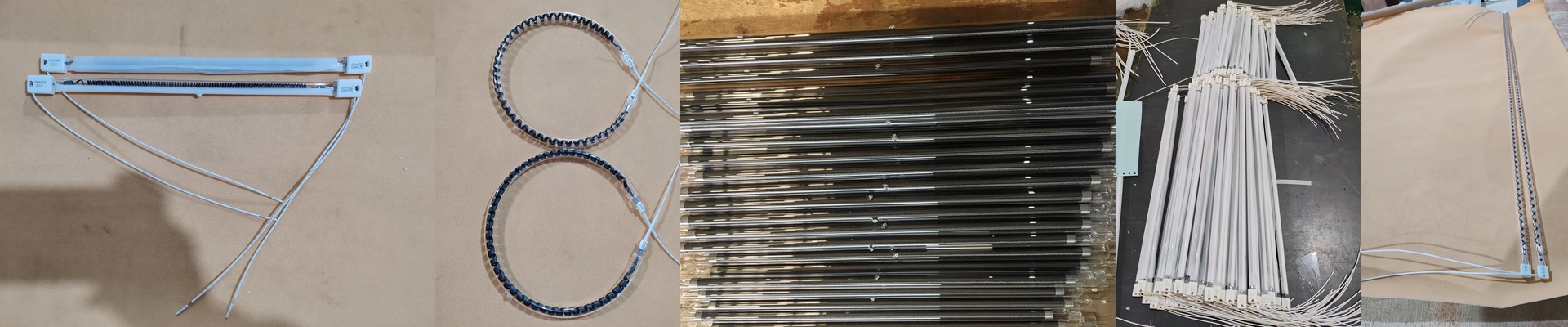
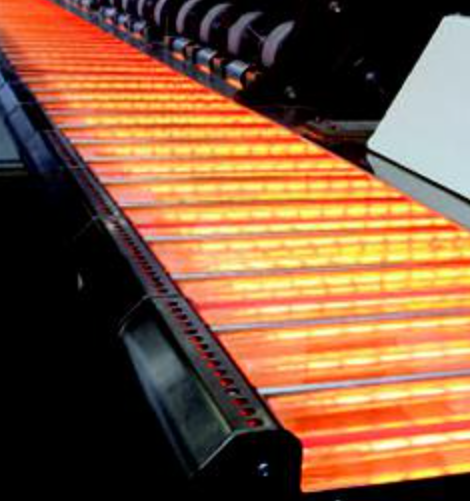
Getting Your Printing Line Up to Speed with Halogen IR Lamps
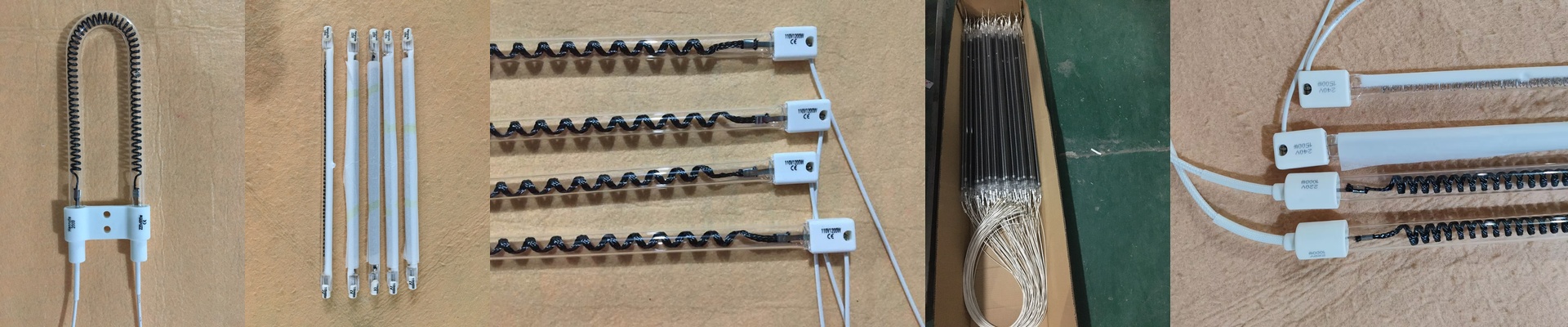
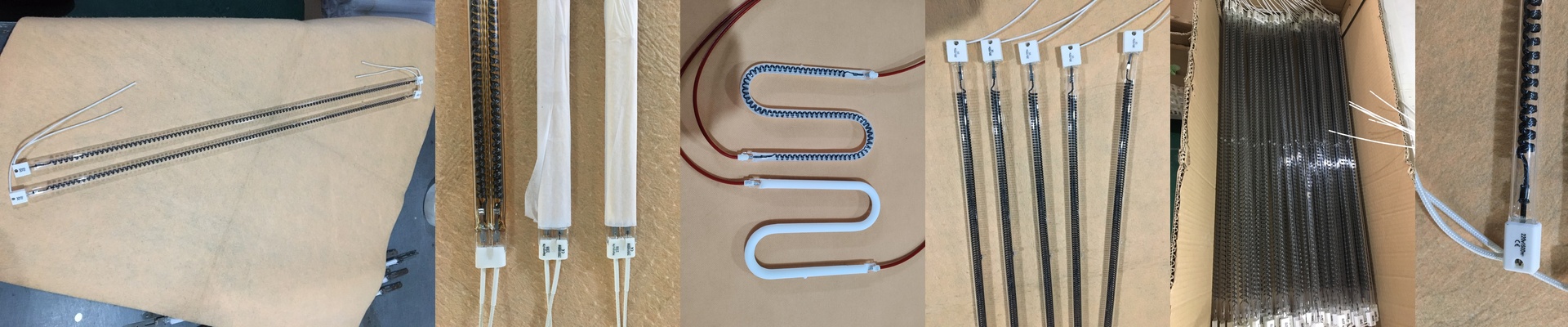
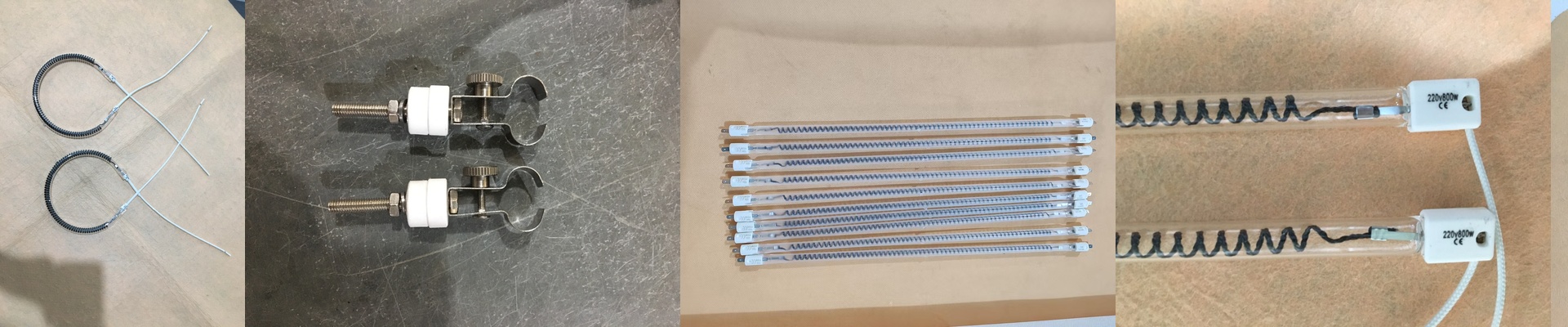
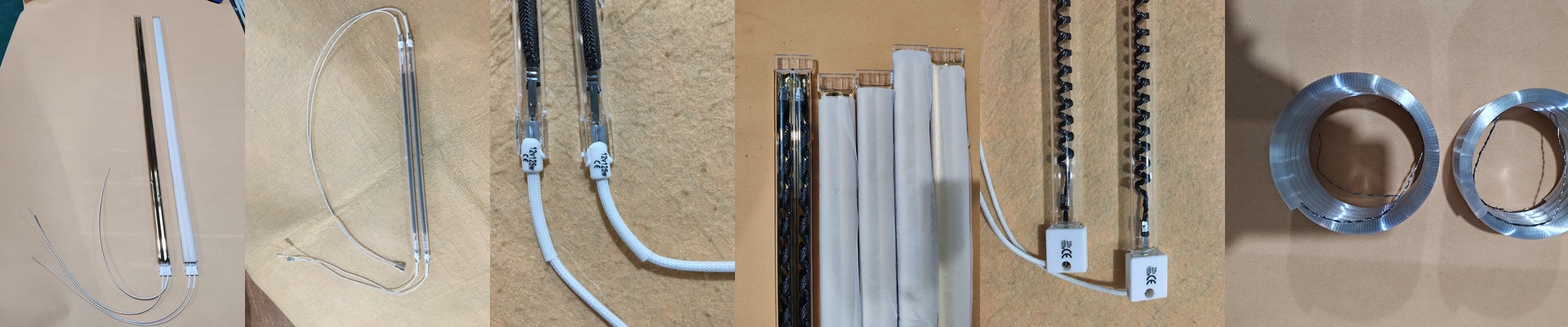
If you’re running a printing line, you know the struggle. You need the ink to cure now, but you can’t afford to scorch the material. It’s a delicate balance. We build our halogen infrared lamps to hit that sweet spot, focusing on the physics of short-wave radiation to match the quality you’d expect from the biggest brands in the world. The power side of things We design these lamps with high wattage-per-centimeter. Why? Because it makes the ink set instantly. By using high-voltage setups, we can cram more power into the filament without making the lamp itself any bigger. The real win here is that you get a concentrated heat zone, which means your curing tunnel doesn’t have to be a mile long. Just a heads-up: if you’re running a 400V system, keep your power supply steady. Voltage spikes are the enemy—they’ll fry your filament way faster than they should. Quartz, gas, and a bit of science Rapid cycling is brutal on equipment. To handle that thermal shock, we use high-purity quartz glass. Inside the tube, the halogen gas does the heavy lifting. As the tungsten filament evaporates, the gas actually carries those particles back to the wire. It keeps the filament thickness even and stops “hot spots” from forming. Without that cycle, the lamp would just burn out prematurely. And here’s a pro tip: for a lot of printing jobs, we add special coatings to the quartz. This tweaks the light spectrum so it hits the ink’s absorption peak perfectly. Less heat wasted on your machine frame, more heat going exactly where it belongs—into the product. Getting them installed We use standard R7s or SK15 connectors, so these should slide right into your existing rigs without a fight. Wiring is simple, but please—check your contacts. If there’s oxidation on the connector, it’ll overheat and melt your sockets. Nobody wants to deal with that. One last thing: these lamps put out a massive amount of heat. Make sure your cooling fans are up to the task. You don’t want your reflectors or your conveyor belt soaking up all that ambient heat.