Getting Your Anatol Press Heat Just Right
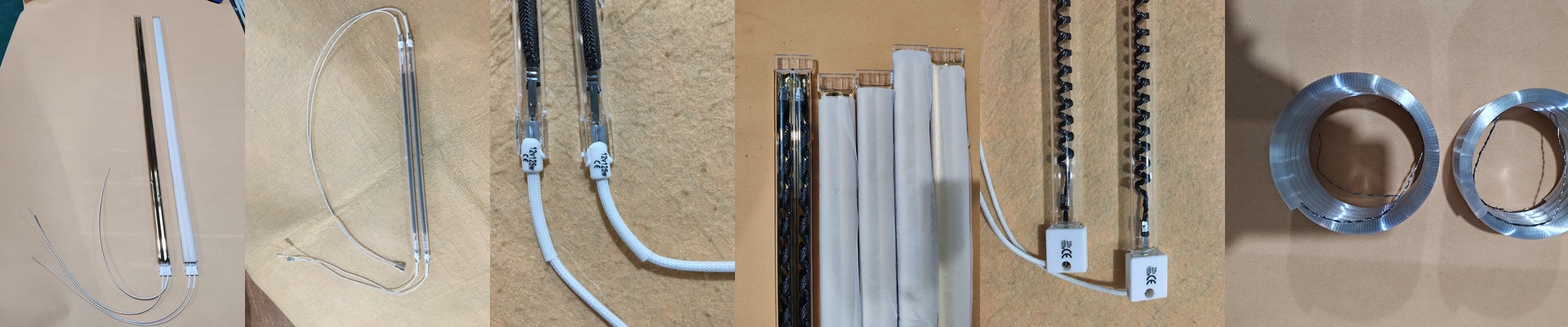
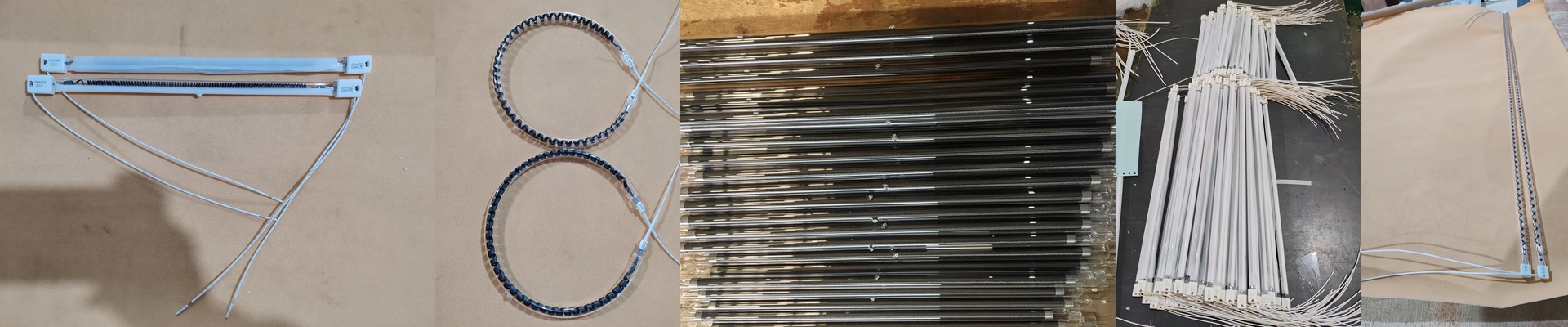
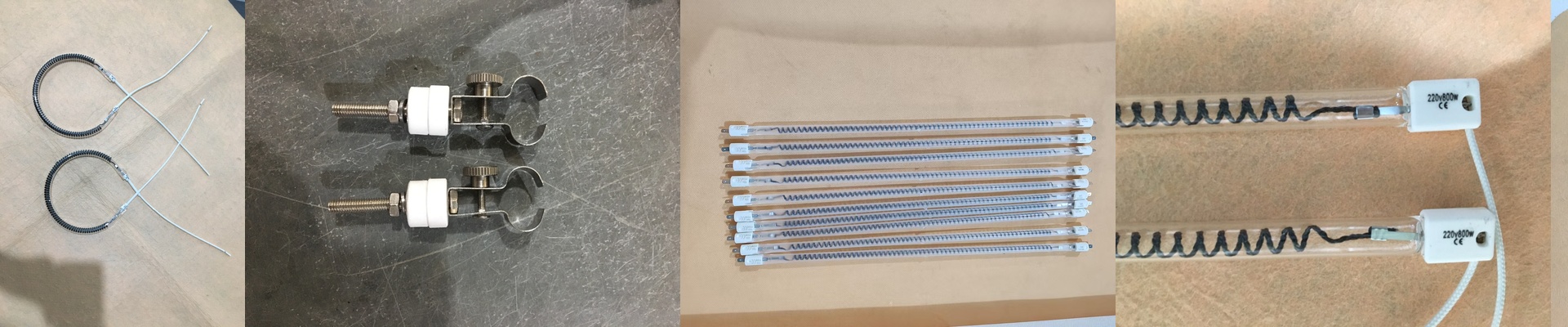
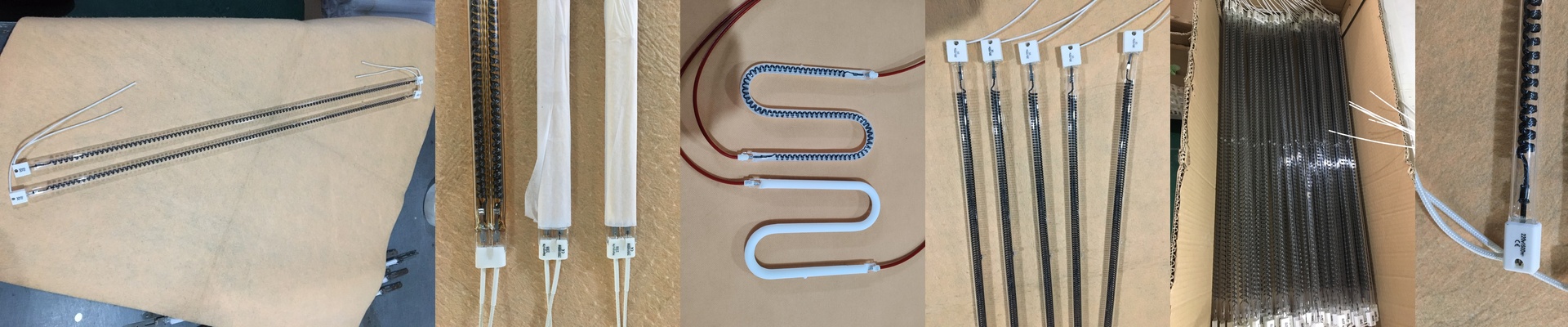
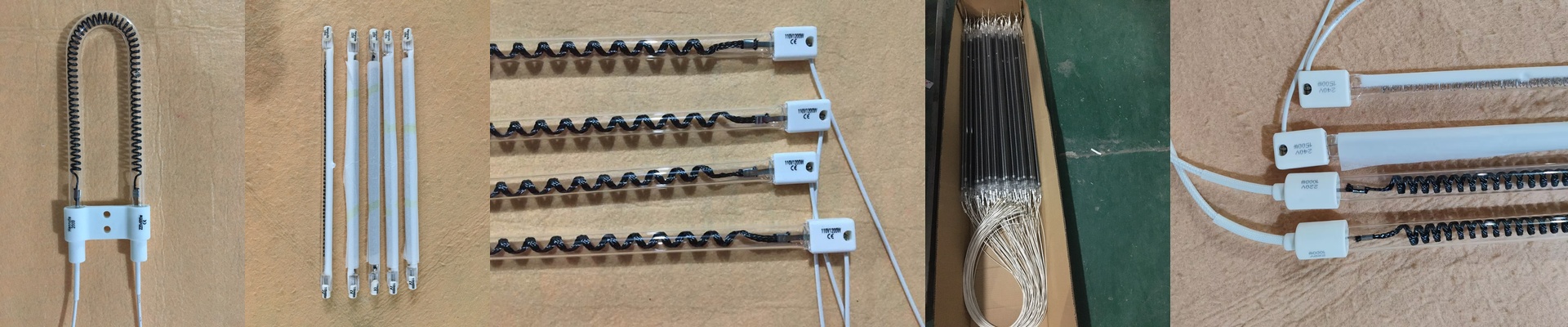
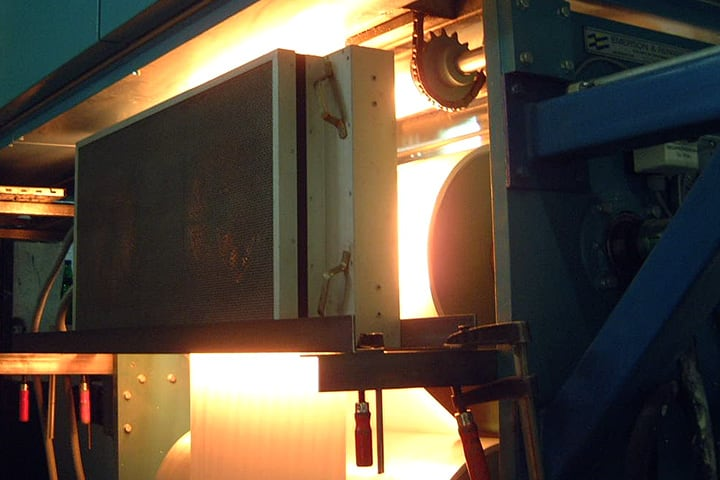
If you’ve worked with Anatol presses, you know the struggle. You need enough heat to cure the ink and dry the material, but one wrong move and you’ve scorched your substrate. It’s a delicate balance. The good news? You don’t have to stick with overpriced OEM parts to get that perfect cure. We’ve found a way to match that original heat output using domestic short-wave IR lamps and some high-reflectivity white reflectors. The secret is in the reflector. Think about it: a standard IR lamp throws heat in every direction—360 degrees. In a printing press, half that energy is just hitting the machine frame and wasting electricity. We use white-coated aluminum reflectors to bounce all that wasted energy right back down onto the print. It concentrates the heat. This means you get a hotter surface temperature without having to crank up the wattage. You save on power, but your cure speed stays exactly where it needs to be. Picking the right lamp To make sure the replacement just drops right in, we match the exact length and wattage of your original Anatol specs. We usually go with quartz glass and a halogen gas fill. Why? Because it lets the filament run hotter, which pushes the emission spectrum toward shorter wavelengths. In plain English: the heat penetrates the ink layers much faster. But here is a big warning:Watch your voltage. If you accidentally swap a 230V tube for a 380V one, you’ll pop the filament instantly. It’s a frustrating mistake that’s easy to avoid. We build our lamps to the exact ohms your specific power supply requires so you don’t have to guess. A few things to keep in mind These high-density lamps put a lot of stress on your connectors. To stop arcing at the contact points, we use reinforced terminals. It’s a small detail, but it keeps things from sparking. One last tip: since the reflectors make the lamps more efficient, the inside of the housing is going to get warmer. Keep an eye on your cooling fans. Give them a good cleaning and make sure they’re actually spinning. If you push a ton of heat into a housing with dead fans, the metal will warp over time. Just wire it up, calibrate your PID controller, and you’re good to go. It’s a much smarter way to keep your press running without breaking the bank.