Stopping the “Cold Spot” in Your Drying Tunnels
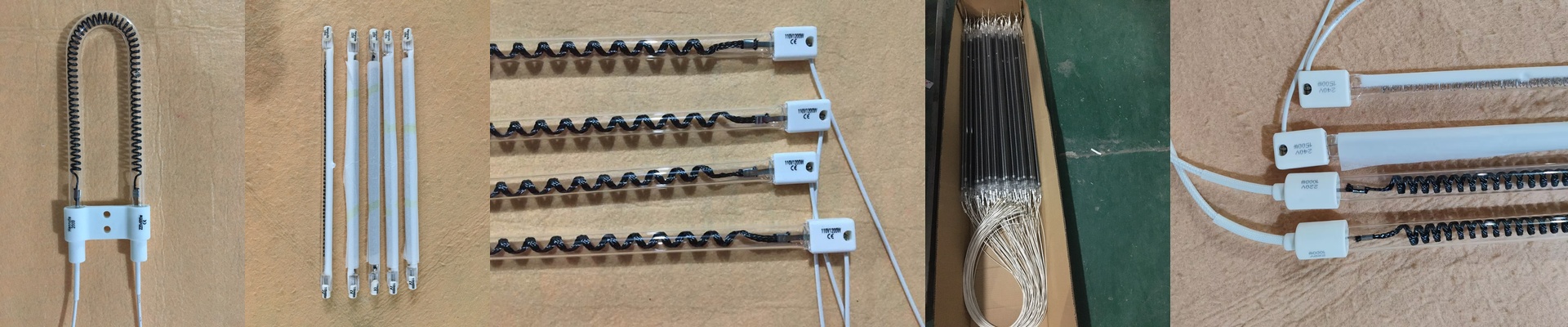
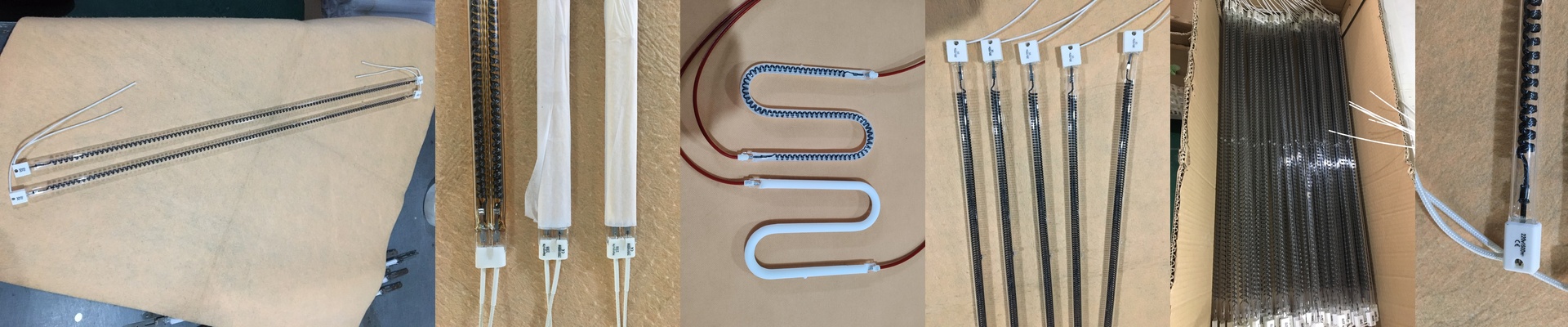
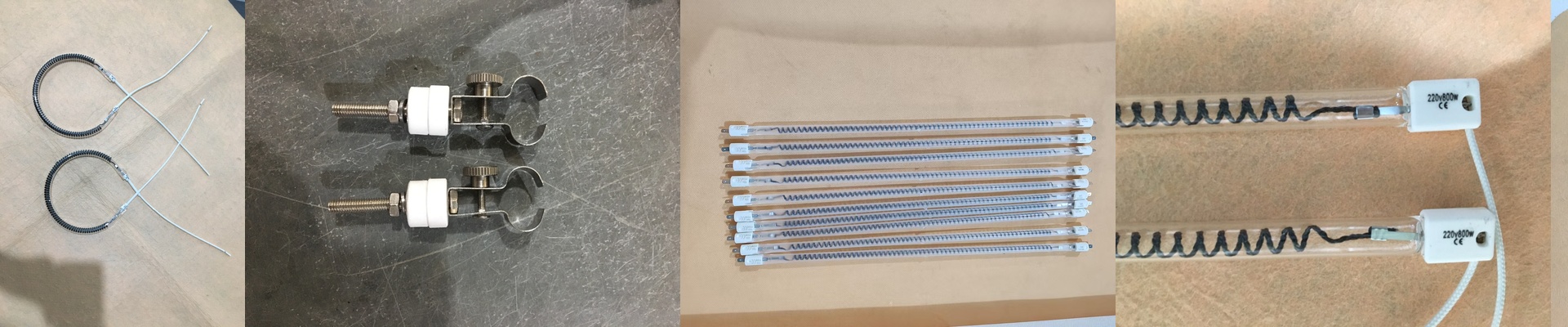
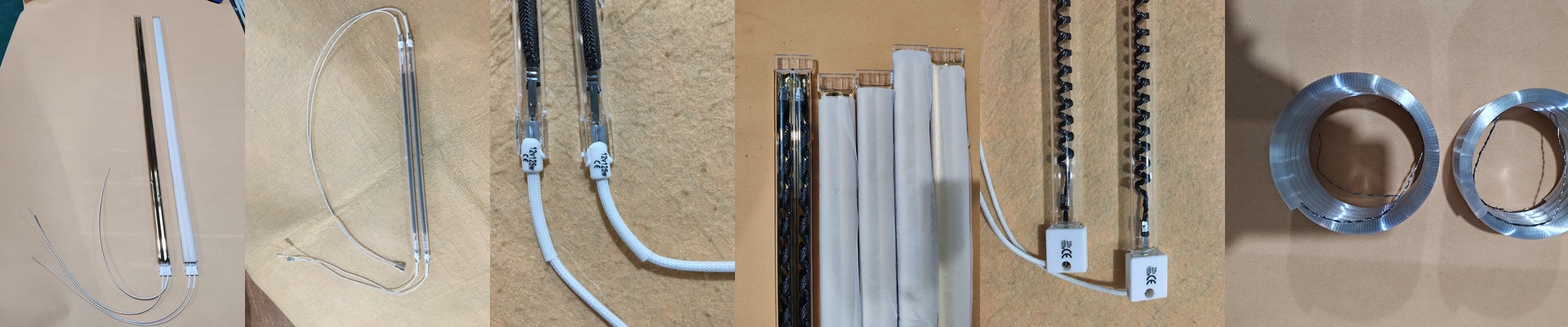
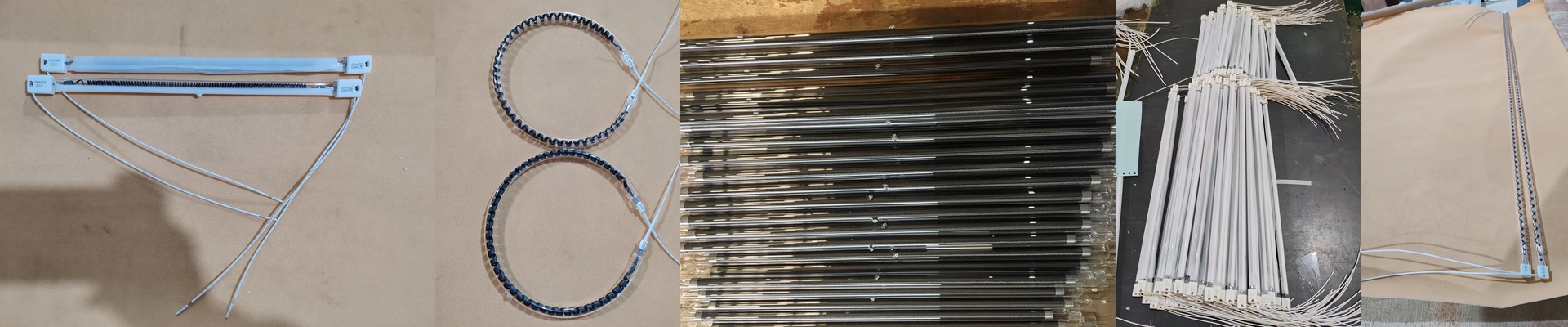
If you’ve ever run a long tunnel oven, you know the struggle. You start strong, but by the time the product hits the middle or the end, the heat just… drops. It’s a constant fight. At Adelco, we focus on keeping that heat steady. The goal is simple: get the solvents to evaporate quickly without accidentally scorching your materials. We do this by balancing high wattage with tight voltage control. It’s the only way to kill those annoying cold spots that usually plague long drying zones. Getting the power right To actually hit the temperatures you need in a big tunnel, you can’t play it safe with the output. We use high-voltage setups to push more power through the quartz tubes. The best part? We don’t have to make the lamps physically bigger to do it. This gives you enough heat density to punch through even the thickest ink layers. But here is the catch: your power supply has to be spot on. If your voltage starts drifting, your drying times will too. And nobody wants to deal with inconsistent batches. The hardware side of things We use heavy-wall quartz because, frankly, thin tubes bow when they get hot. That’s a problem. To keep things stable, we rely on the halogen cycle inside the lamp. It keeps the filament centered, so your heat output doesn’t just dip away as the lamp ages. When it comes to the connectors, we stick to the basics—R7s or SK15. Why? Because they just work. They’re drop-in replacements. When a lamp finally burns out, you can swap it in seconds without having to rewire the whole rack. It’s fast, easy, and keeps the line moving. A quick word on airflow These lamps react fast, which is great for high-speed lines. But all that heat has to go somewhere. If you run them at full tilt, your ventilation system is going to feel the pressure. If your exhaust isn’t pulling the ambient heat away from the ends of the lamps, you’re going to fry your connectors. Keep the air moving, and your lamps will last a whole lot longer.