Keeping the Heat Steady in Adelco Tunnel Furnaces
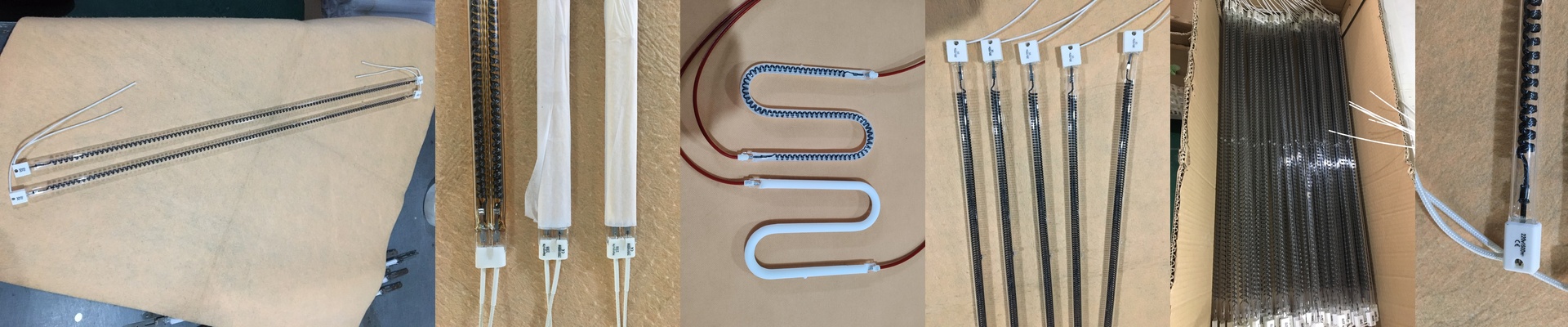
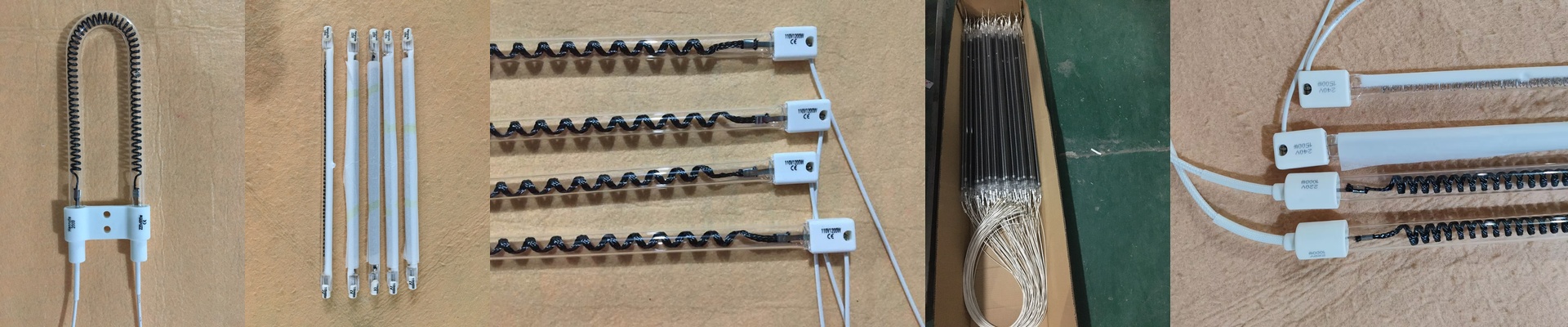
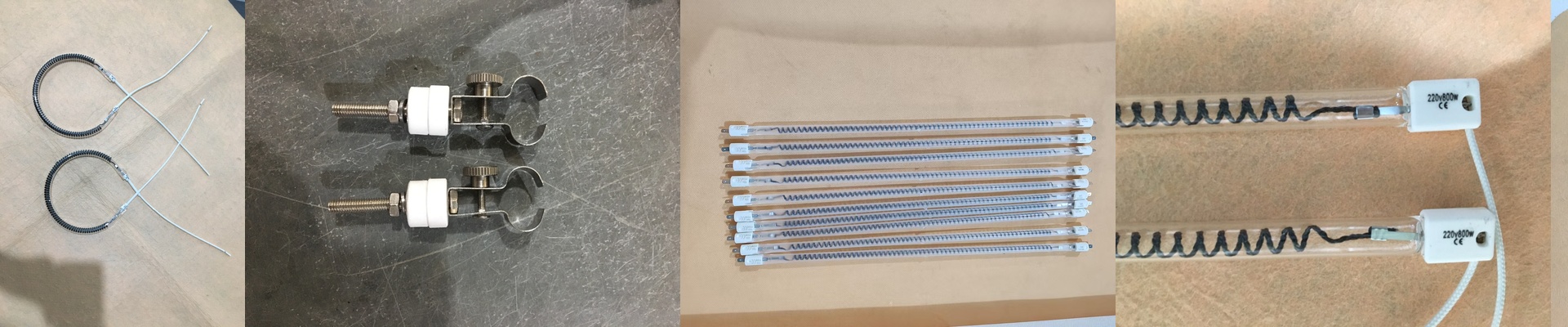
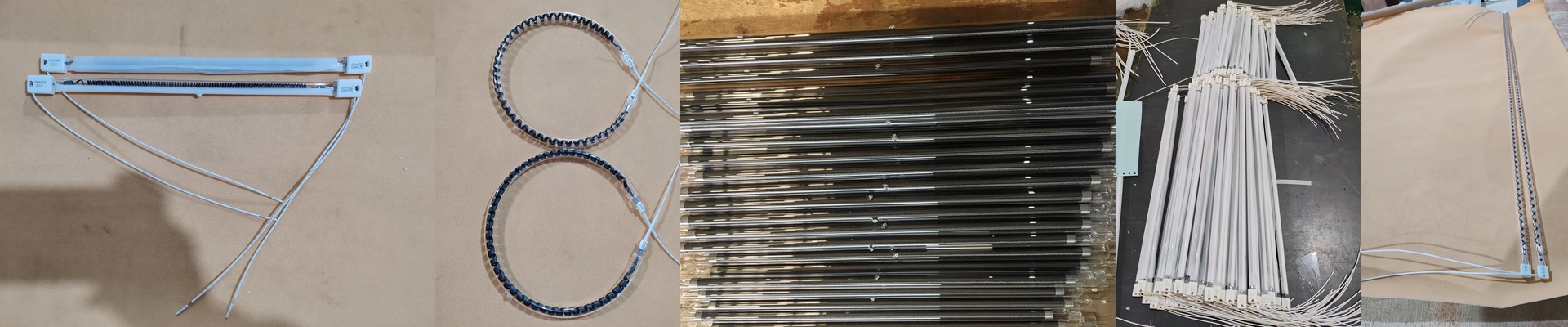
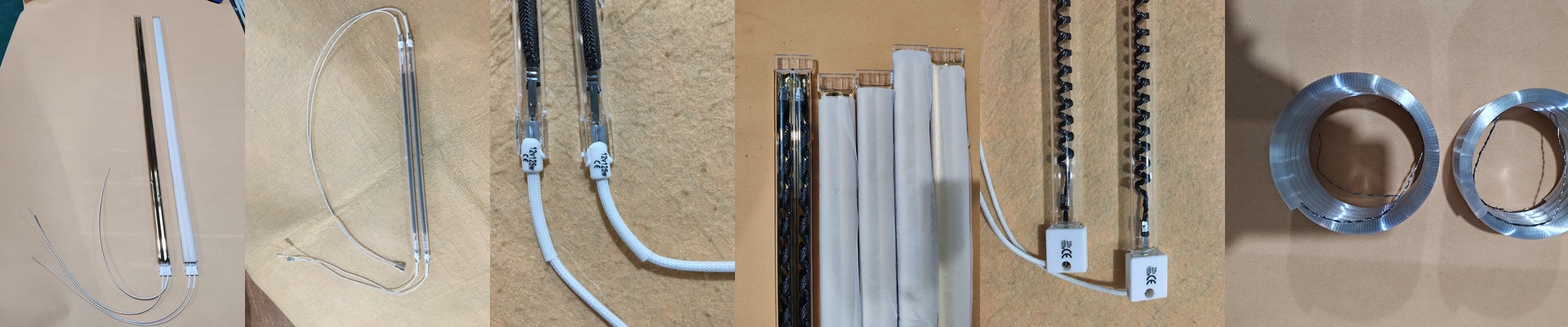
If you’ve spent any time around Adelco drying lines, you know the struggle. You’ve got these long tunnel furnaces, and the biggest headache is usually the thermal profile. It’s frustrating when the heat just isn’t consistent from one end of the conveyor to the other. That’s why we do things differently with our infrared (IR) lamps. Instead of waiting around for slow air convection to do the work, we use high-density shortwave radiation. It basically punches right through to the product. No waiting. No guesswork. The Power Side of Things We don’t mess around with the wattage or voltage. Why? Because the last thing you want is for your heat to just dip off halfway through the tunnel. When we dial in a high-voltage setup, the heat footprint stays tight and the ramp-up is fast. Just a heads-up, though: make sure your power supplies actually match these specs. If they don’t, you’re looking at flickering lamps or, worse, bulbs burning out way before they should. Built to Last (And Easy to Swap) We use heavy-wall quartz glass. It has to be tough to handle the constant thermal stress of a line that never stops. Inside, there’s a halogen cycle that keeps the tungsten filament from evaporating too fast. It just makes the lamps last longer. And because we build these specifically for Adelco setups, they’re “drop-in” replacements. The length and the connectors are already a match. You can just swap a lamp and get back to work without having to rewire the entire rack. It’s a huge time-saver. The Trade-off Here’s the thing: when you’re pushing this much heat density, things get hot. I mean really hot. The housing takes a beating. If your cooling fans are clogged with dust or just aren’t strong enough, your sockets are going to fry. Do yourself a favor and check your airflow every once in a while. It’s a five-minute job that saves you from a massive electrical headache later. What This Actually Does for Your Line Whether you’re running a case erector or a drying tunnel, you need energy now to set those adhesives or dry your coatings. Since shortwave IR ignores the air and hits the substrate directly, you don’t need a tunnel that stretches for miles. You can actually shorten the line and push more product through every hour. It just works better.