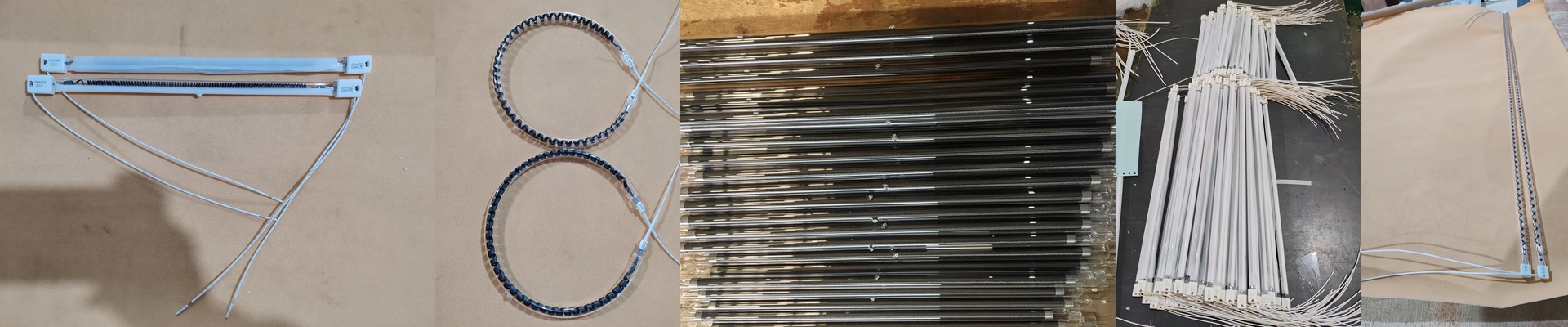

Getting Your Sulfet Rotary Printer Heat Just Right
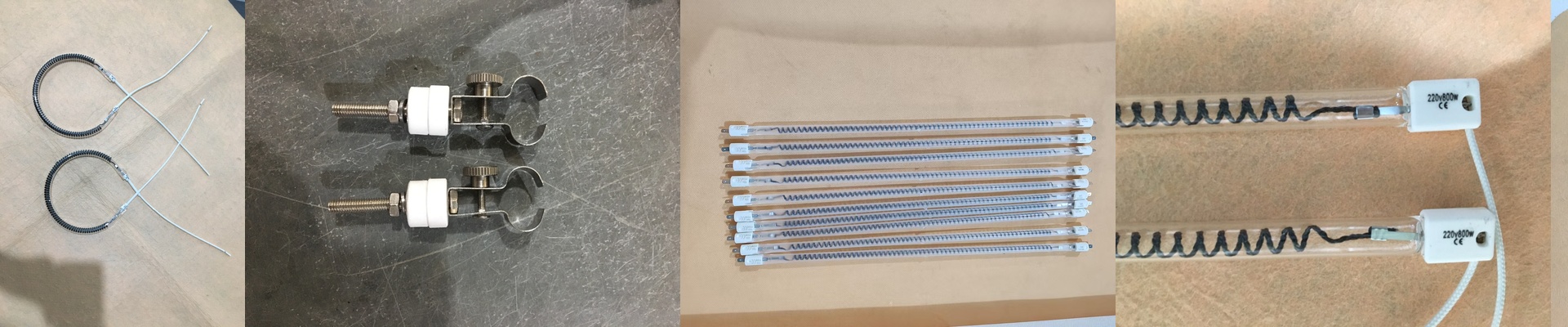
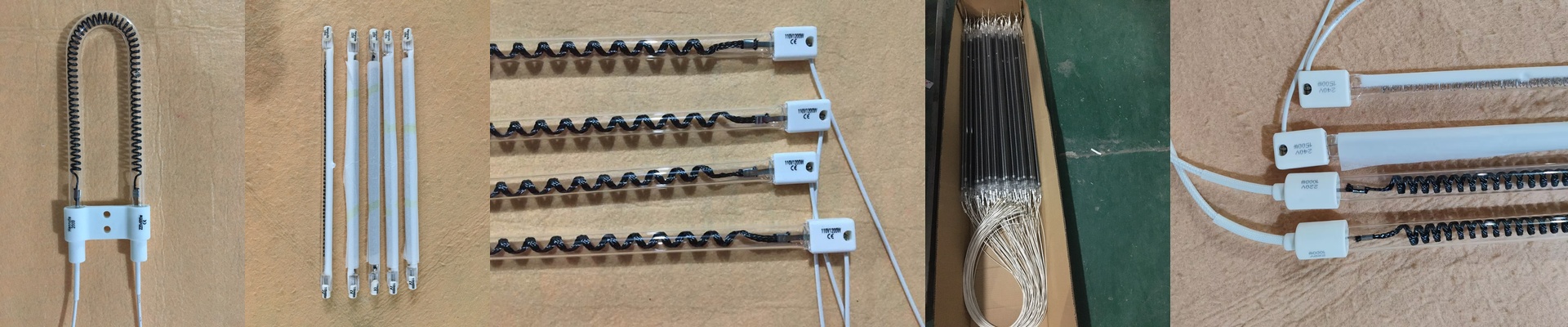
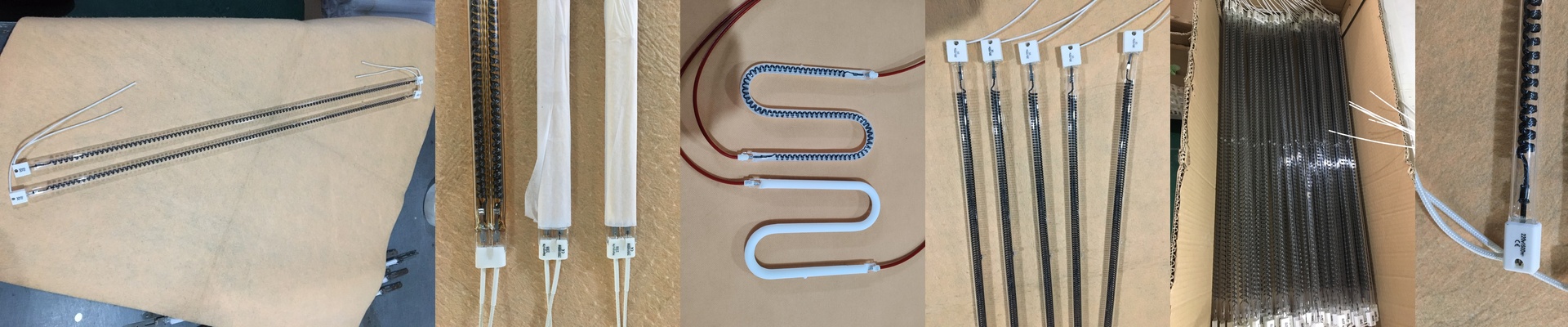
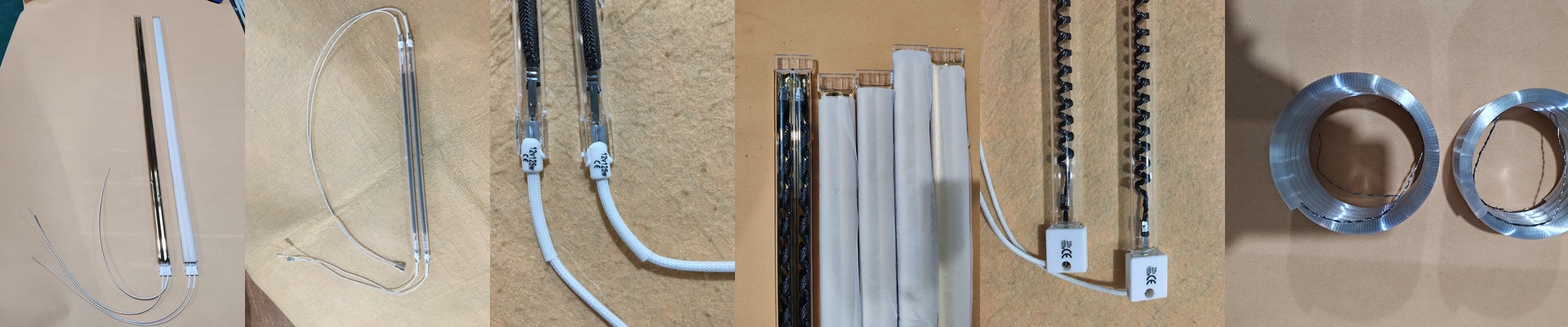
If you’re hunting for spare parts for a Sulfet rotary printer, you already know that a “generic” infrared lamp is a recipe for disaster. You can’t just plug in any old heater and hope for the best. You need that sweet spot—enough heat to set the ink perfectly, but not so much that you scorch your fabric. That’s why we build our elements to match the original Sulfet specs exactly. It’s a simple drop-in replacement. No guesswork, no headaches. The Balance of Power Here’s the thing about thermal profiles: it all comes down to the wattage-to-length ratio. If you cram too much wattage into a short tube, you get hot spots. And hot spots mean ruined fabric. We spend our time balancing the voltage and wattage so you hit the exact surface temperature needed for fast drying. But a quick heads-up: if you decide to push for higher wattage, keep an eye on your control cabinet. Make sure your contactors can handle the extra current draw, or you’ll be dealing with a burnout sooner than you’d like. Quartz and Connections We use high-purity quartz glass because it can handle the shock of being turned on and off rapidly. Depending on what kind of ink you’re running, we can actually coat the glass to shift the emission spectrum. It’s a neat trick that lets the heat soak deep into the ink layer instead of just searing the surface. As for the wiring, we stick to the industry standards like R7s or Sk15. Why? Because a tight fit is everything. A loose connection creates resistance, which leads to arcing, and before you know it, your lamp end-caps are fried. Keeping Things Running The best part is that you don’t have to modify your machine. You just swap the old tube for ours, wire it up, and you’re back in business. One big tip, though:be careful with your hands. These lamps get incredibly hot, and the quartz is fragile. Always wear gloves. If you touch the glass with your bare hands, the oils from your skin create permanent hotspots. Once the lamp heats up for the first time, those spots can cause the glass to crack. Handle them with care, and your line speed stays consistent and your downtime stays low.