Let’s Talk About Carbon-Filament Quartz Infrared Elements
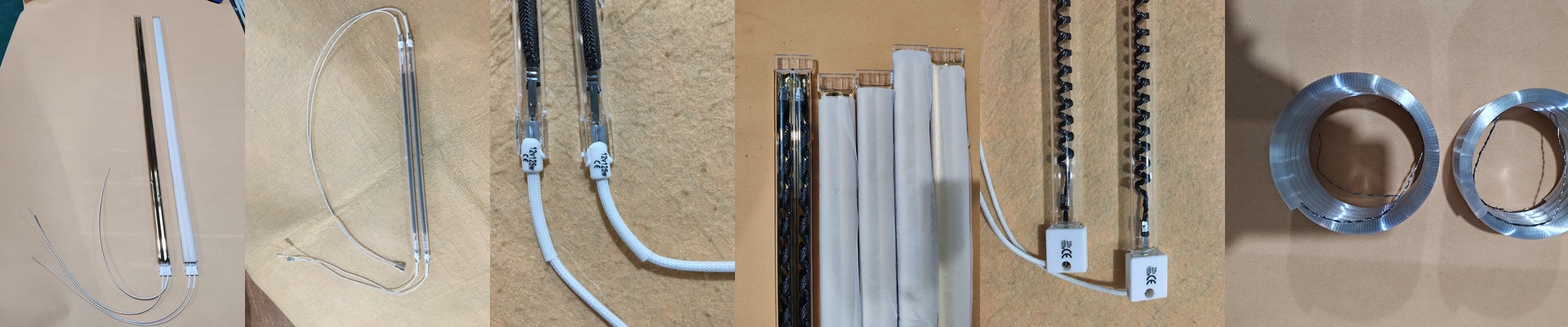
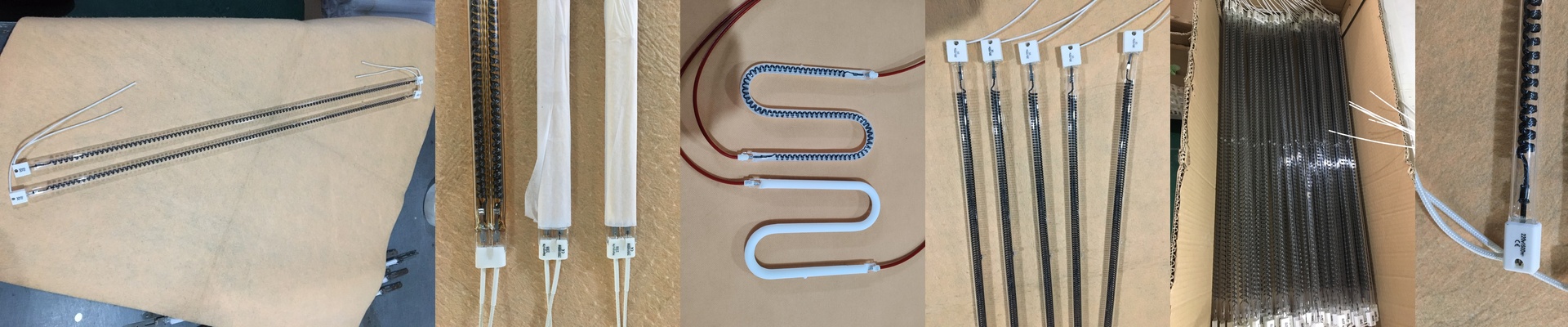
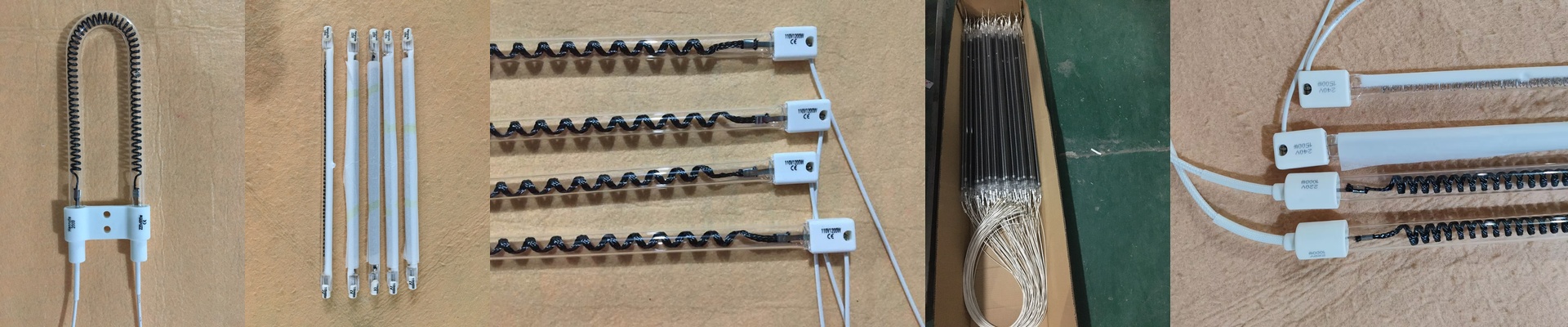
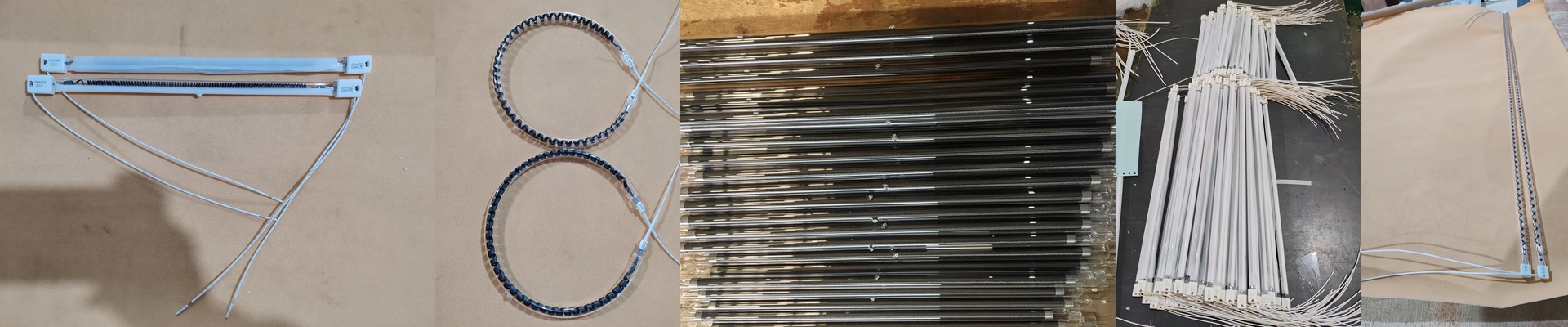
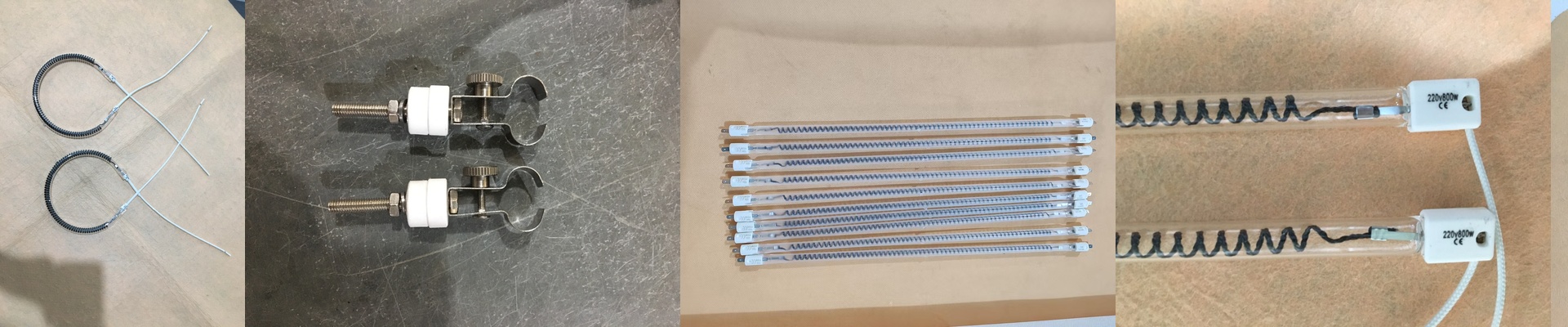
We make these quartz carbon lamps because, frankly, standard metal coils are too slow. If you want to move heat fast, you need something better. We use a carbon-based filament tucked inside a high-purity quartz tube. Instead of waiting for heat to slowly crawl through the air, these lamps shoot short-wave radiation straight into your material. It’s direct. It’s efficient.
Getting the Power Right
When you’re picking out your elements, remember that voltage and wattage are what drive your heat flux. If you cram a high-wattage tube into a small space, you get an intense blast of heat. That’s exactly what you want if you’re running fast cycles. But here is a heads-up: watch out for that first “cold start.” There’s a big surge of current the moment you flip the switch. If your wiring isn’t rated for that peak load, your contactors are going to fry. Not a fun way to start the day.
The Nitty-Gritty of the Build
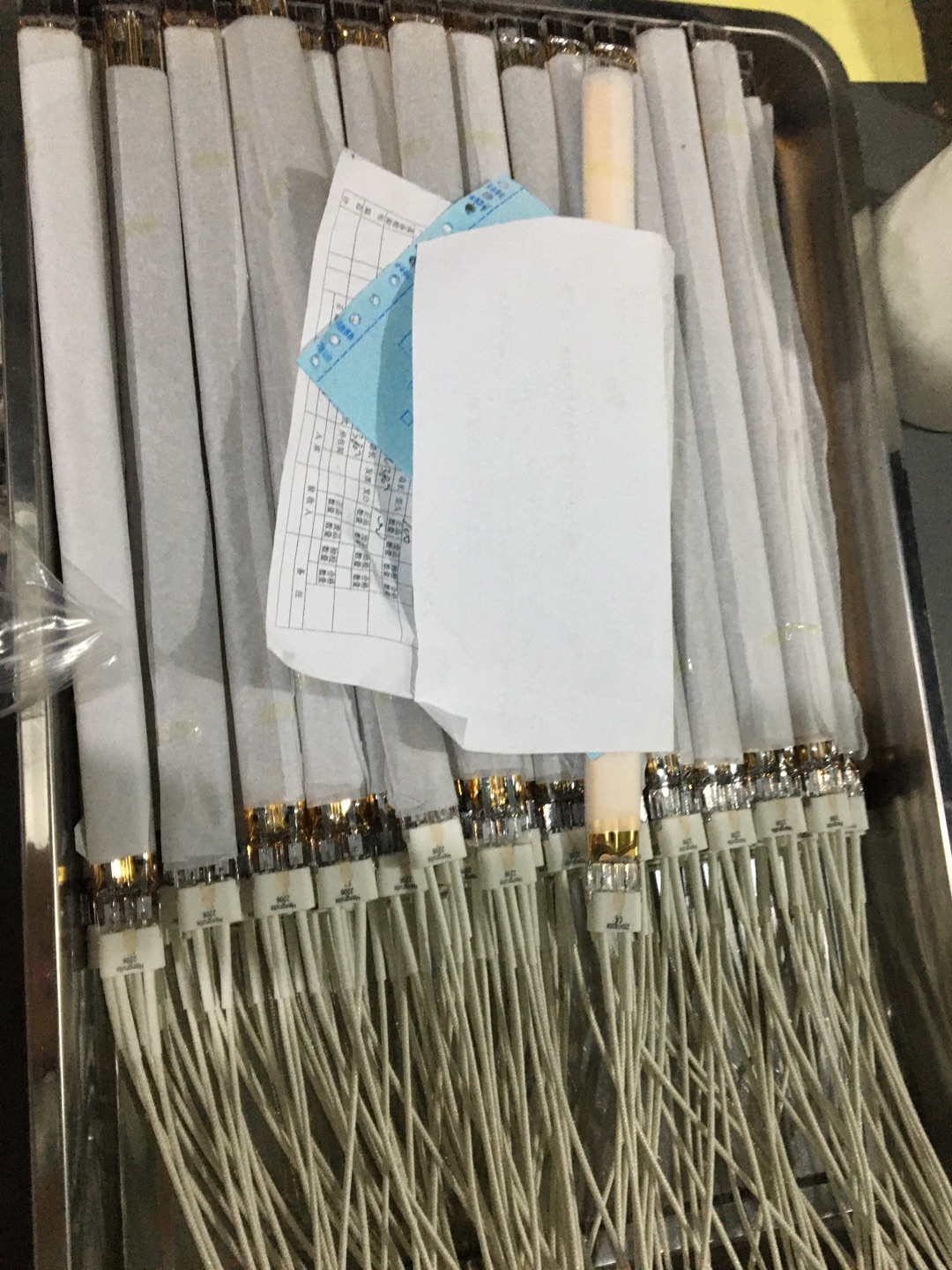
That quartz tube isn’t just there for looks. It’s a shield. Without it, the carbon filament would basically vanish into thin air as CO2 gas the second it got hot. Depending on what you’re heating, we can add specific coatings to the glass. This shifts the heat from short-wave to medium-wave. It’s a lifesaver if you’re working with plastics that tend to bounce short-wave radiation right back at you. As for the connections, we stick with R7s or Sk15 bases. They’re simple, they’re fast to wire, and they stay tight. You don’t want a loose connection here—that creates a hot spot that’ll melt your socket before you even realize what happened.
The Trade-offs (Because Nothing’s Perfect)
The best part? The ramp-up time. You can hit your target temperature in a matter of seconds. But there’s a catch. Carbon filaments are a bit more fragile than nichrome when it comes to shaking. If your machine vibrates a lot, you absolutely need dampened mounts. If you don’t, the filament will just snap. One last tip: keep the quartz clean. Seriously. If you touch the glass, the oils from your fingerprints bake into the surface at high heat. Those permanent spots block the infrared output and kill your efficiency. Keep ’em spotless.