Keeping the Heat Steady in Long Tunnel Ovens
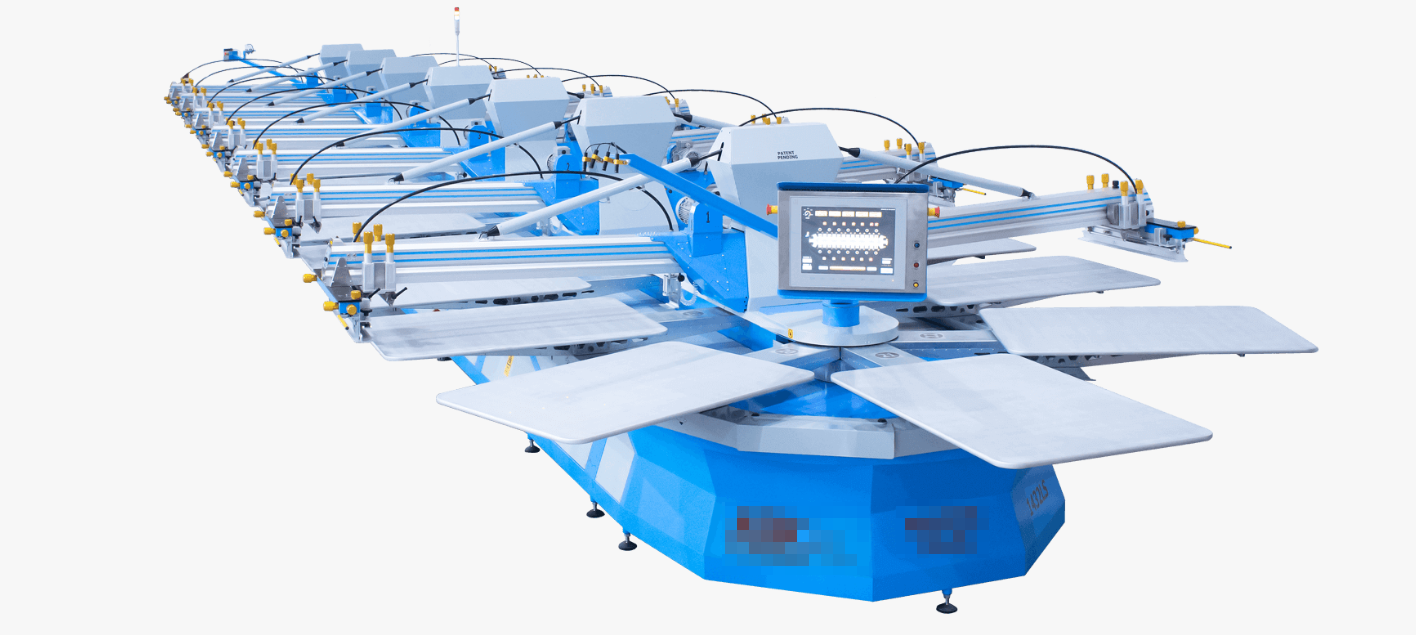
If you’re drying thin films in a tunnel oven—like the Adelco series—you know the struggle. You need the temperature to be dead flat across the whole conveyor. No dips, no spikes. But when your heating zones stretch out over a long distance, things get tricky. You start worrying about cold spots or, even worse, blowing out a lamp because the power isn’t spreading evenly. It’s a headache you don’t need.
How we keep things stable
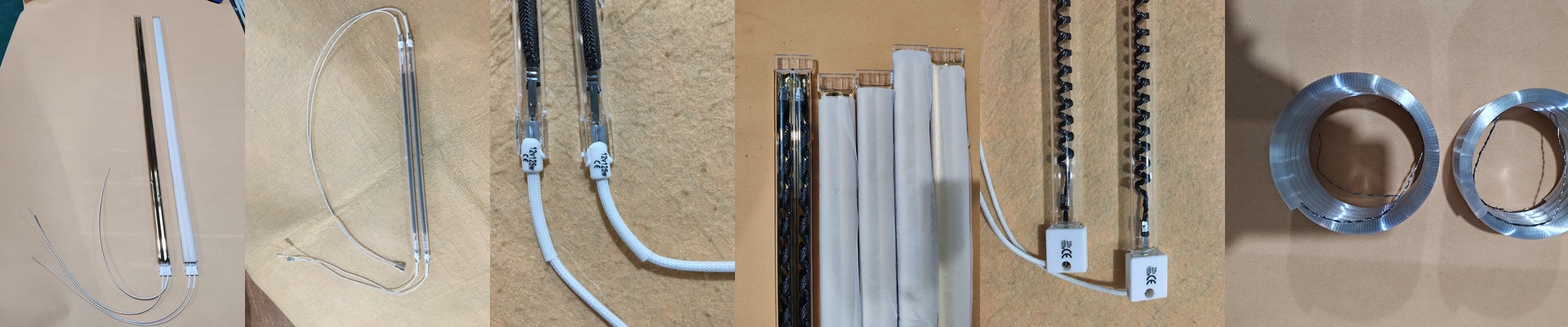
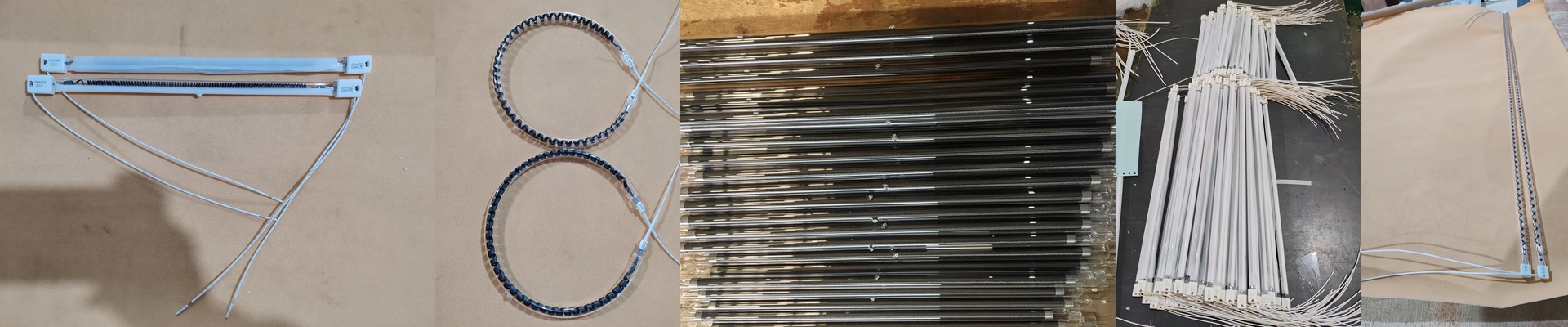
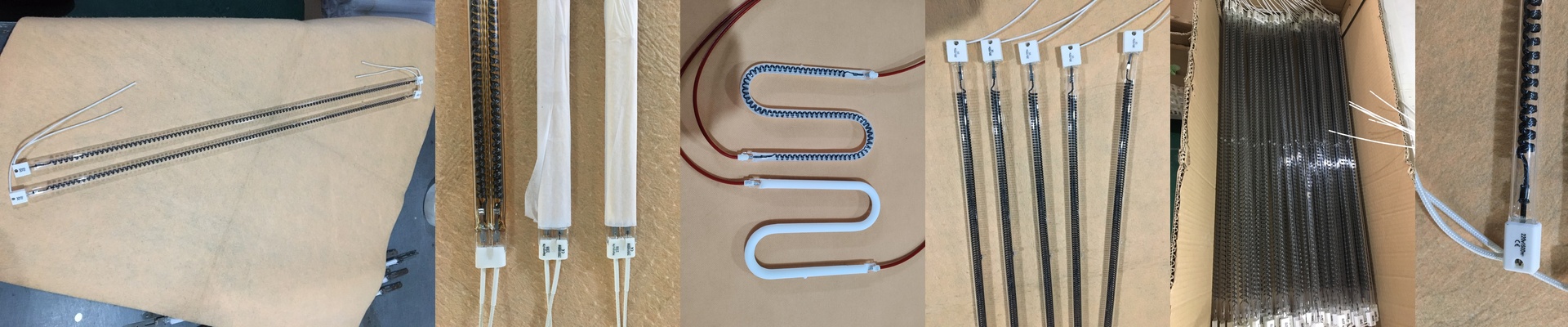
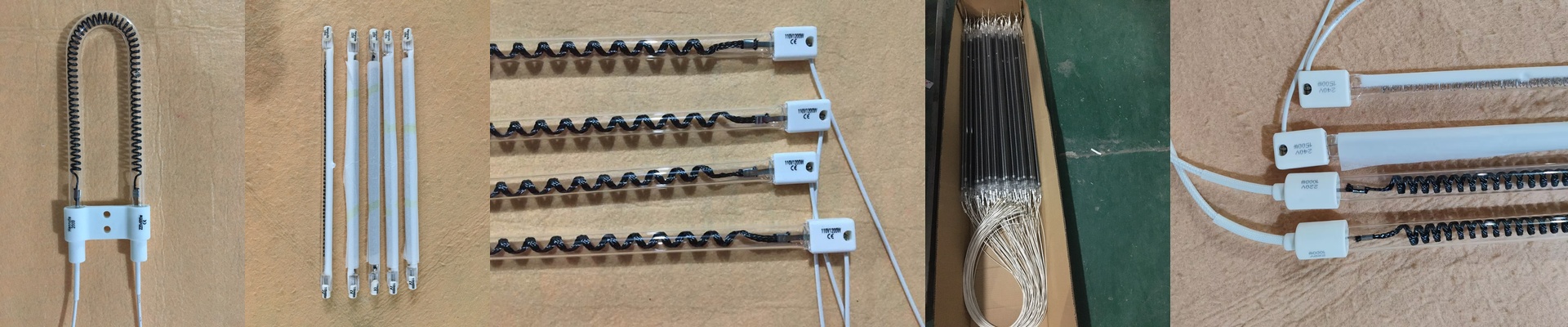
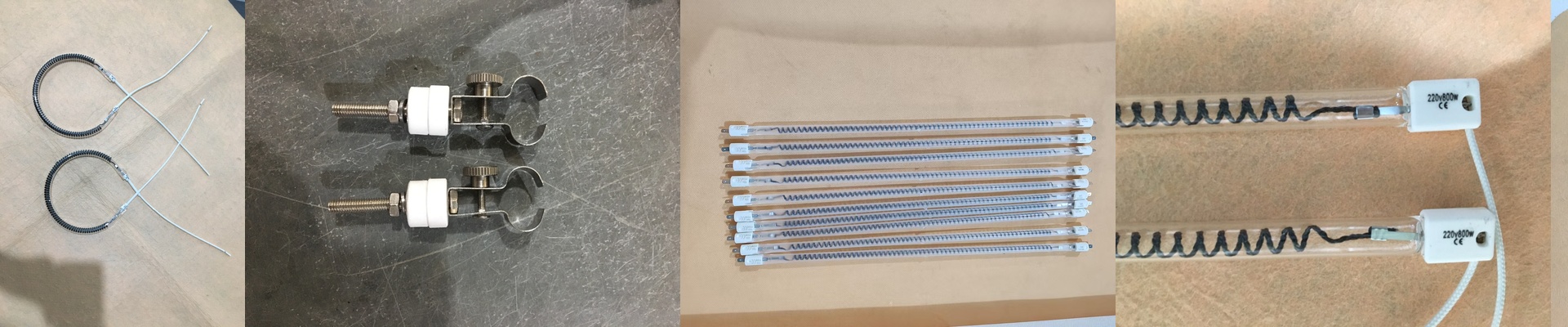
We build our IR solutions for Adelco machines to handle the heavy lifting of industrial drying. We use high-wattage quartz lamps because they keep the heat density consistent from the moment the film enters the oven until it comes out the other end. The secret is in the details. We obsess over the filament tension and the purity of the quartz glass. Why? Because that’s what keeps the output steady. One word of caution: if you crank these lamps to the max, they put out a massive amount of heat. You’ve got to make sure your cooling blowers are actually up to the task. If they aren’t, the ends of the lamps will overheat and pop. And nobody wants to stop production to replace a burnt-out lamp.
The gear and how it fits in
We stick with shortwave infrared for thin films. It just hits the material faster than medium-wave options. We also keep things simple with the hardware. We use standard industrial connectors, so you can just swap a lamp in and out. No need to rewire the entire oven rack and spend your whole afternoon cursing at a wiring diagram. As for the glass, we use high-transmittance quartz. But if your process is finicky and you’re worried about scorching the surface of the film while trying to cure the layers underneath, we can do coated options to shift the spectrum.
Real-world trade-offs
Here is the best part: using IR lamps means your drying line takes up way less floor space than a clunky convection oven. You get faster ramp-up times and you can actually control the curing cycle with precision. But there’s a catch. These lamps are sensitive. If a bit of oil or some dust lands on the quartz tube while you’re running, it creates a hot spot. That’s a recipe for disaster—the glass will crack or the filament will just snap. The only way around it is a strict cleaning schedule. Keep them clean, and they’ll actually last as long as they’re supposed to.