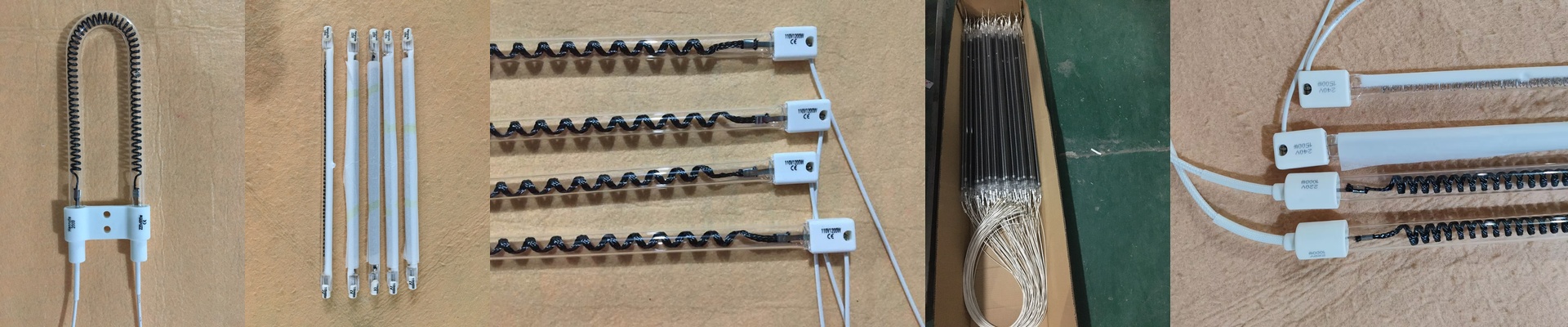
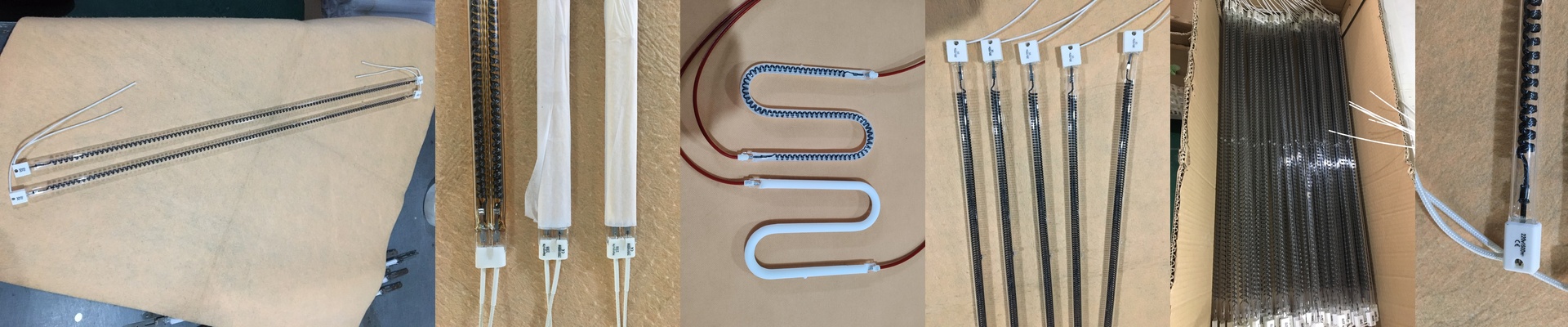
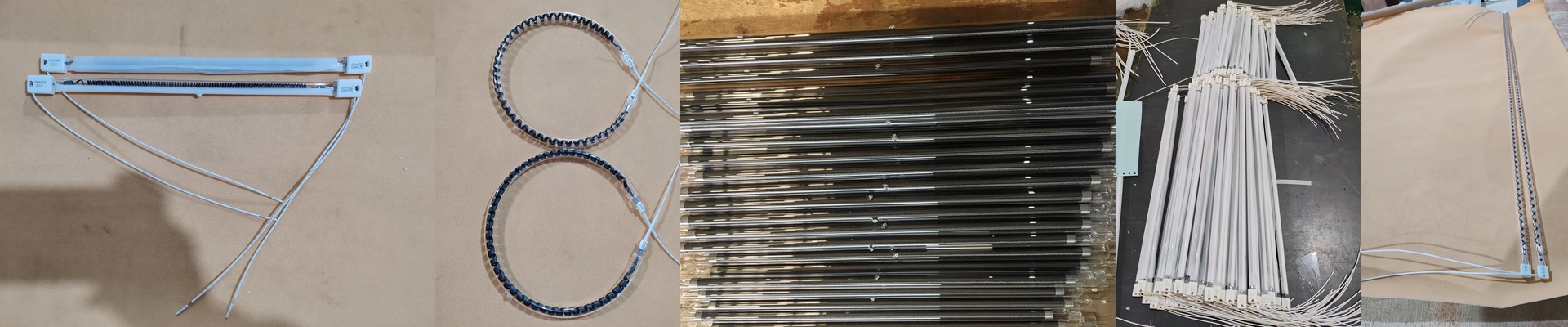
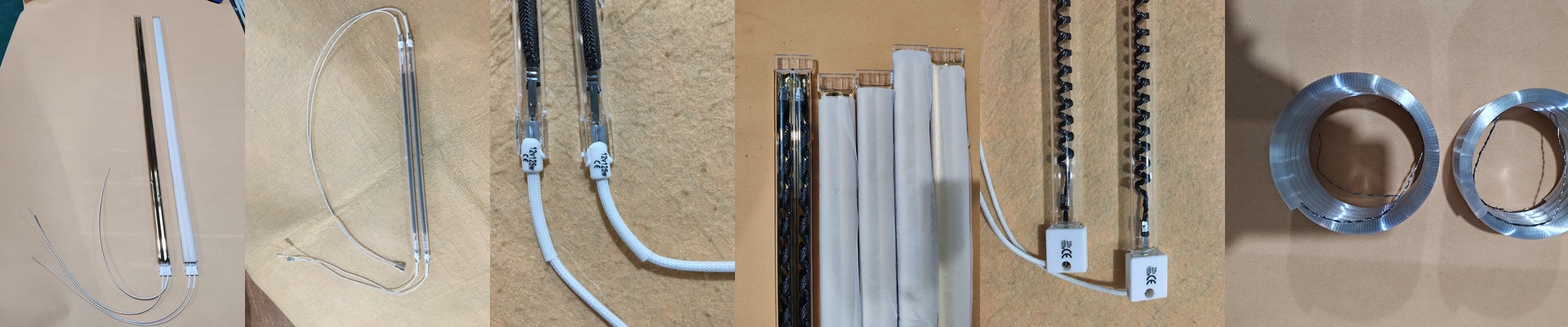
Getting Your KTK Infrared Lamps Just Right
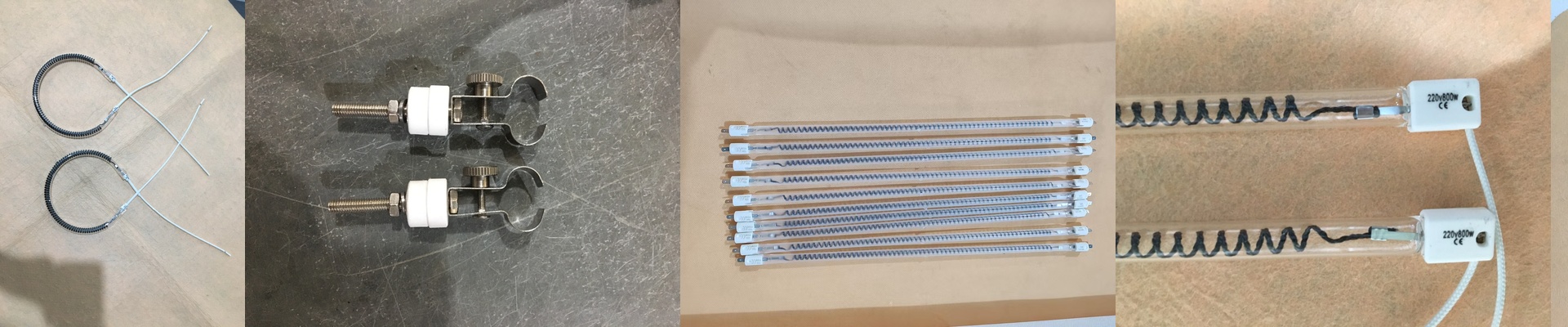
If you’re swapping out heating elements in a KTK oval printing machine, you already know that just matching the length of the tube isn’t enough. It’s not like buying a lightbulb for your living room. If the specs are off, you’re looking at a bad day—either you’re tripping breakers every ten minutes or you’re staring at cold spots on your garments because the ink just won’t cure. The electrical side of things Here’s the thing: we build these lamps to mirror the original KTK specs so your power supply doesn’t freak out. Whether your machine runs on 220V or 380V, the resistance in that tungsten filament has to be spot on. If the ohms are slightly off, the wattage shifts. Too high? Your fuse blows. Too low? Your prints stay wet. We use precision-wound filaments to make sure the heat stays steady from one end of the quartz tube to the other. Glass and plugs Then there’s the hardware. We use high-purity quartz because these things go through some serious thermal shock. And those connectors—usually R7s or similar heavy-duty gear—aren’t just fancy plastic plugs. They’re built to take the heat soak without melting into a puddle. We also obsess over the end-cap dimensions. If a lamp is off by even 2mm, it won’t sit right in the reflector. That ruins your beam angle and basically throws your energy away. Making it work in the shop The goal is a 1:1 fit. You want to be able to pull the old lamp out, wire the new one in, and get back to work without messing with brackets or rewiring the whole machine. But a quick tip: these high-wattage shortwave lamps put out some intense heat. If your reflectors are dirty or pitted, that heat doesn’t hit the platen—it just bakes the lamp housing instead. Keep those reflectors polished. It’ll save your lamps from burning out way too early.