Getting Your Sulfet Rotary Printer’s Heat Just Right
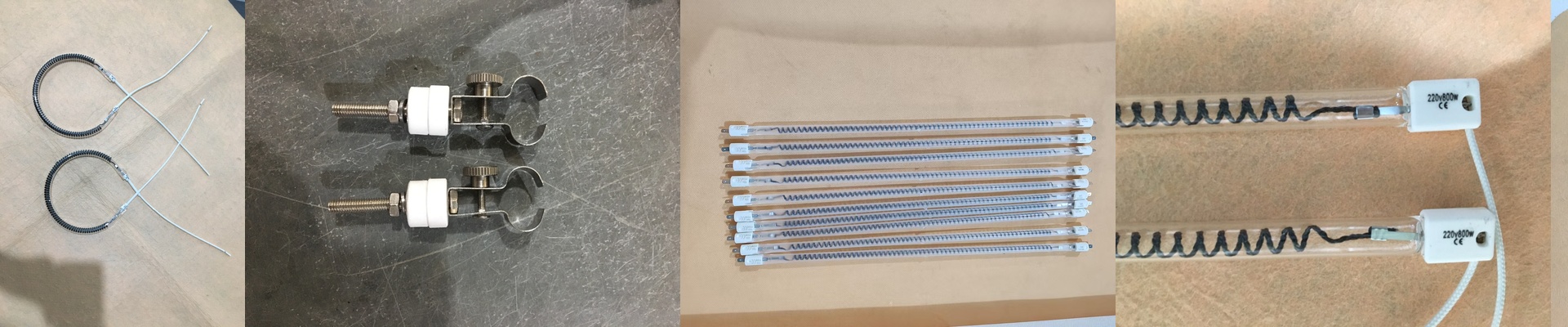
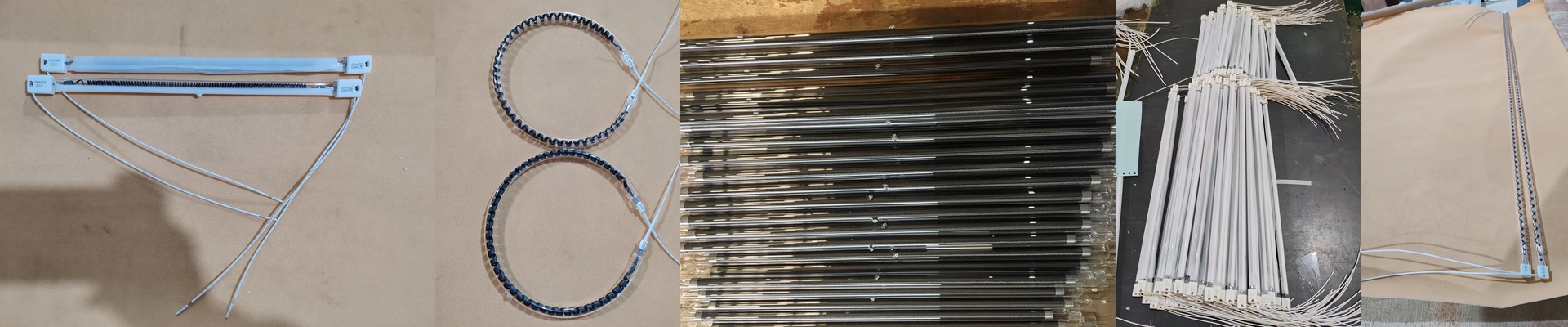
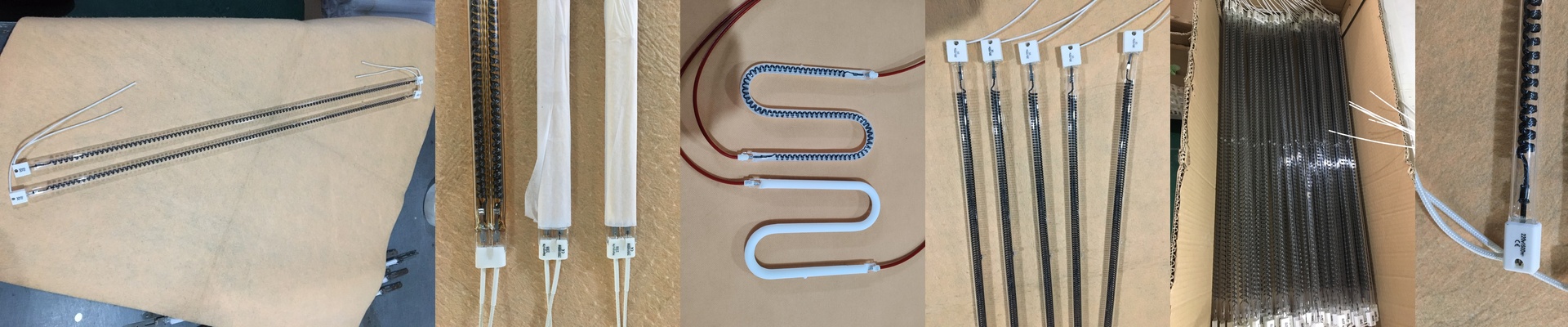
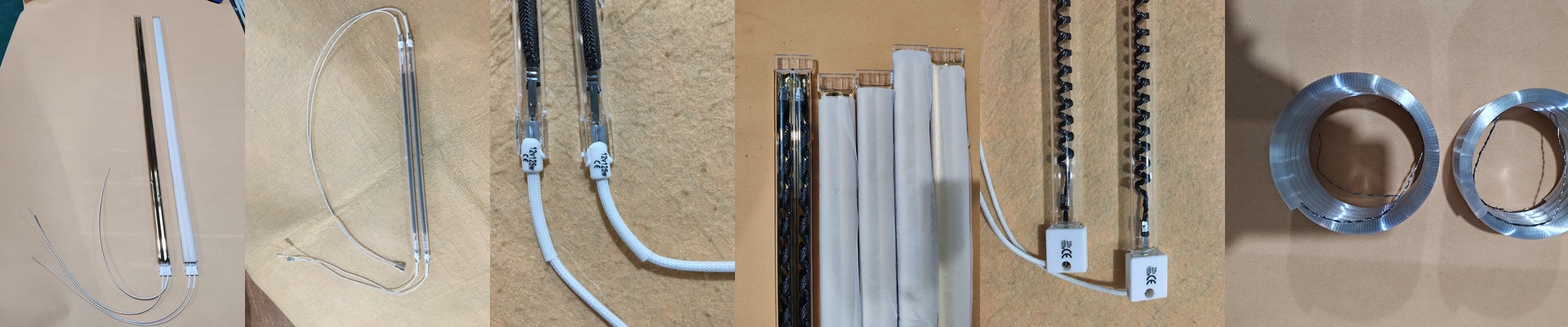
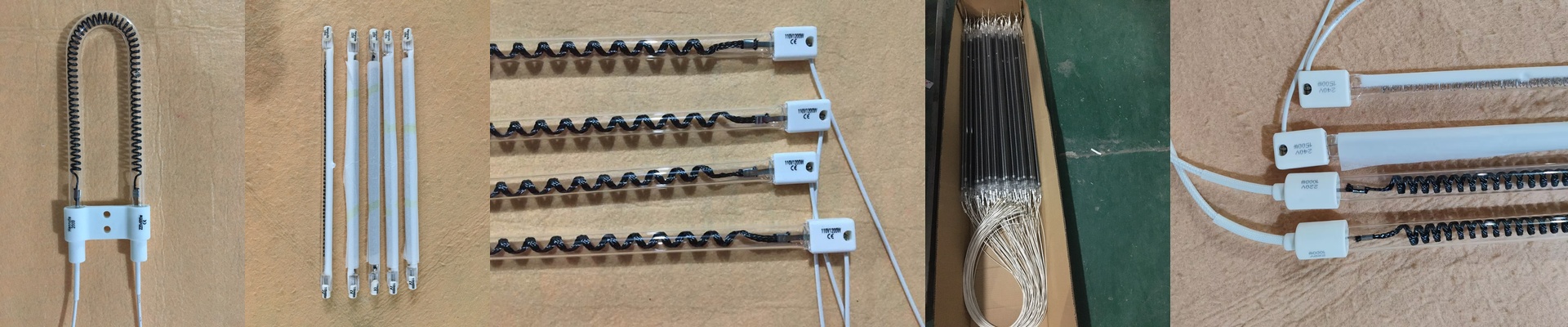
Keeping a Sulfet rotary line running smoothly is all about a balancing act. You need enough heat to lock in those dyes, but not so much that you end up scorching your fabric. When it comes time to replace your infrared lamps, remember that you aren’t just swapping out a lightbulb. You’re basically managing how heat hits your material. Let’s talk power and voltage. Most of these arrays use high-wattage quartz tubes because they heat up fast. When we pick these out for you, we look at the exact footprint of your heating bank. Here is the trick: a higher voltage setup keeps the current draw lower. That’s a lifesaver during those marathon production runs because it keeps your wiring from getting too hot. But be careful. Stick to the original OEM specs. If you go overboard with the power, you’re just asking for burnt fabric or a lamp that pops way sooner than it should. The gear itself We use high-purity quartz glass so the IR heat actually gets through. Depending on the ink you’re using, you might want coated or uncoated lamps. The coated ones are great because they shift the heat spectrum to hit the exact spot your textile needs. As for the fit? We usually go with R7s or SK15 bases. They’re simple drop-in replacements. You just slide them into the sockets and you’re done—no need to mess around with the control cabinet or rewire anything. Real-world tips These lamps put out intense short-wave radiation. The good news? Your fabric hits the right temperature in seconds. The catch is the stress it puts on the machine frame. If you decide to pack in more lamps to speed up the line, make sure your cooling fans are spotless and working perfectly. Otherwise, those reflectors might start to warp. We build these with tight tolerances so they fit the Sulfet rails without rattling or cracking. Just one last thing: check your voltage stability before you flip the switch on a new array. You don’t want to flash the filaments the moment you power up.