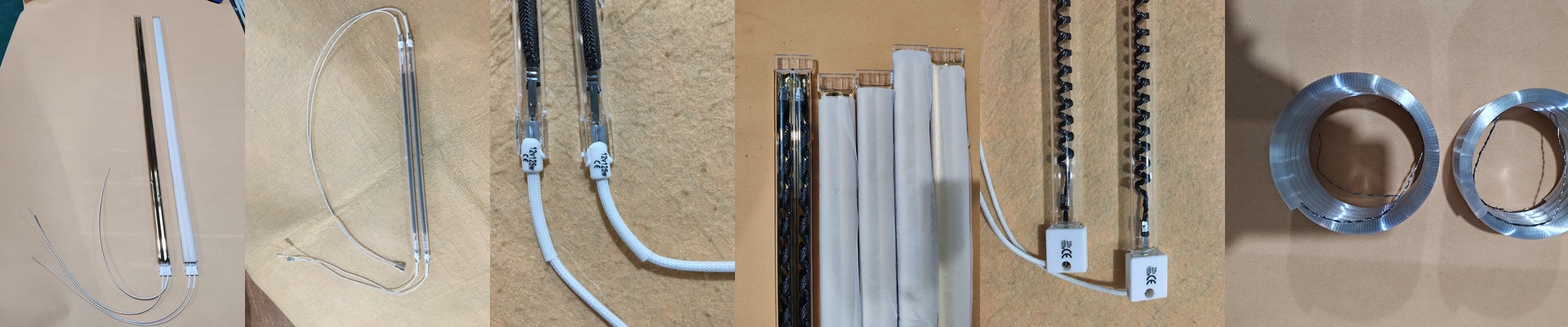
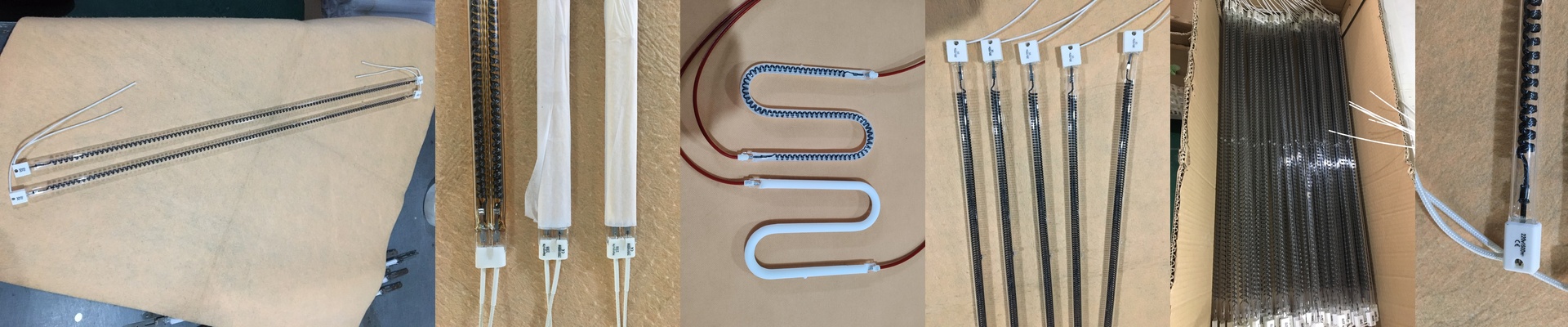
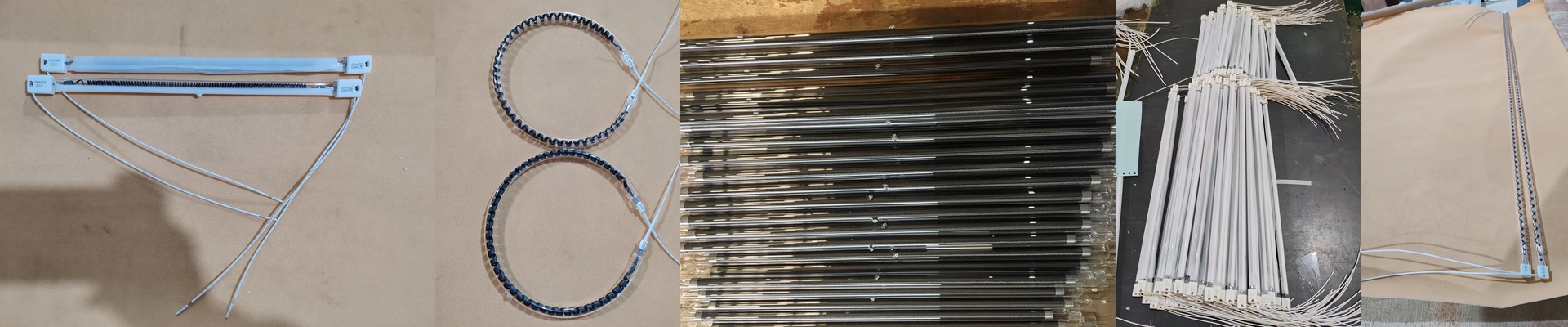
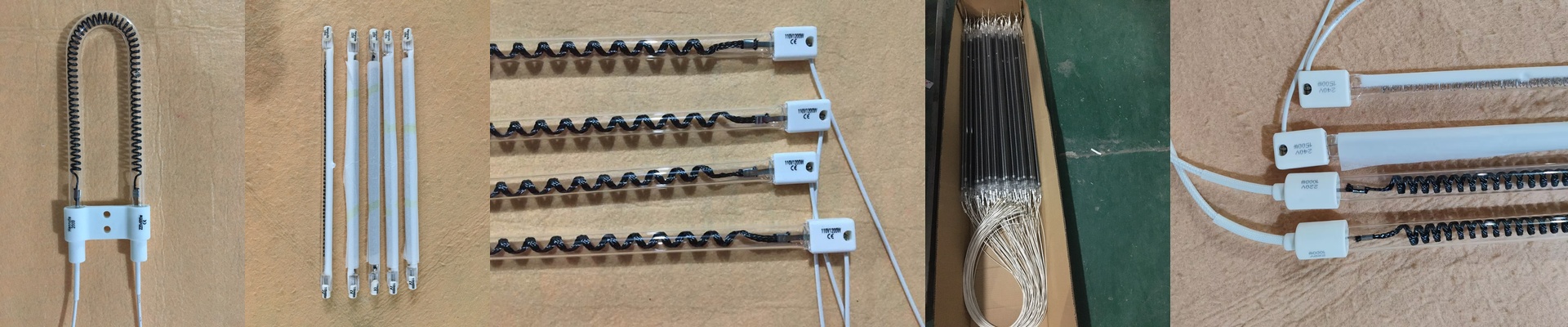
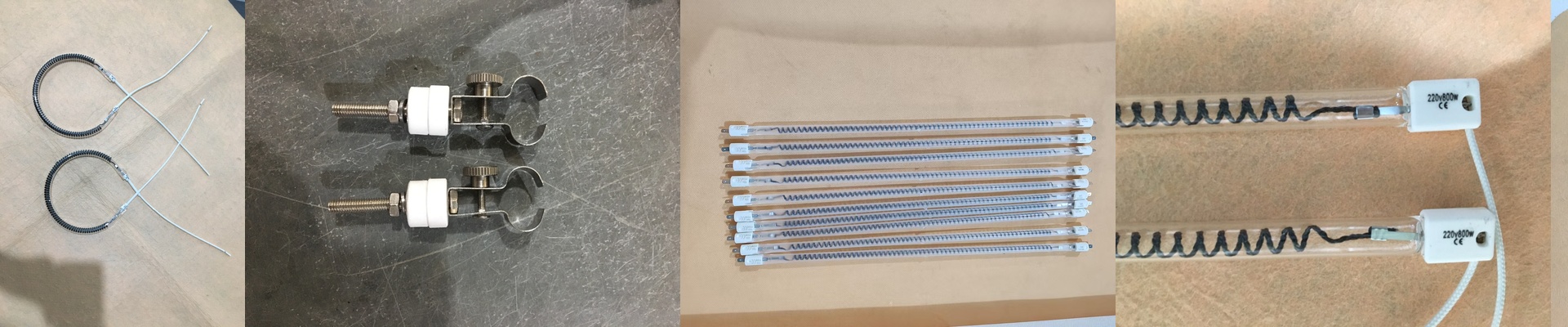
30 Days, Non-Stop: We Put These Lamps Through the Wringer
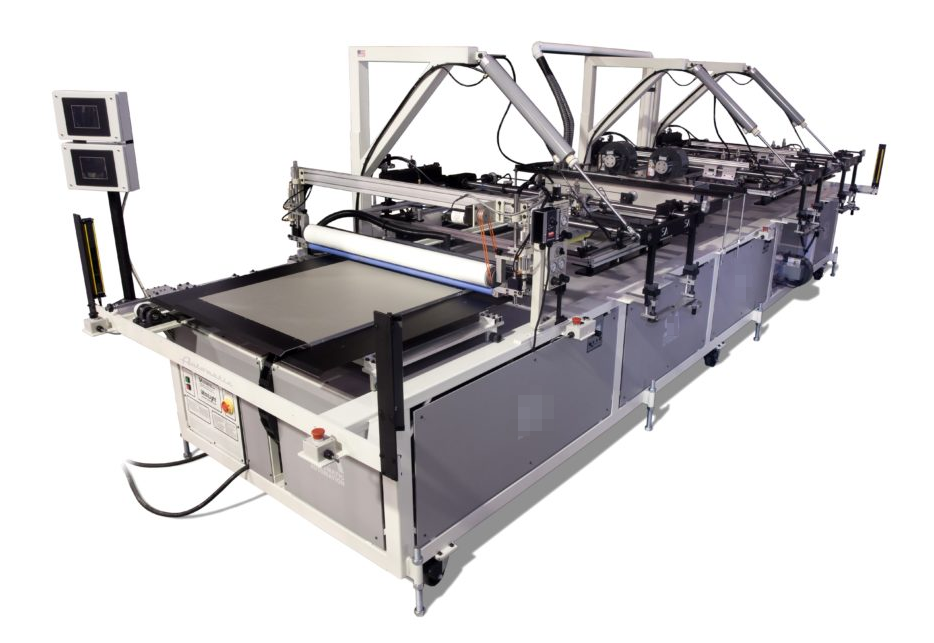
We didn’t test these industrial infrared halogen lamps in some cushy lab. We ran them on actual MHM equipment—30 straight days, no breaks. Why? Because real-world proof beats perfect conditions any day. The result? Clean, steady performance. No dips. No surprises. Just output you can count on.
The Power Behind the Heat
Here’s the heart of it: these lamps pack a serious heating punch into a small footprint. They run on 400V, which gives you high wattage without pushing your wiring to its limits. That means you get intense, focused heat right where the MHM process needs it. And the 300mm length? It’s intentional. Not too big, not too small. Just enough to concentrate the heat zone where it matters, without wasting energy. But—and this matters—high heat density means your machine has to be ready for it. Your cooling and airflow need to be properly matched. If the chamber is too small for the heat load, you’ll see components wear out early and temperature control get shaky.
Built to Last, Inside and Out
Inside the quartz envelope, the halogen cycle is doing its quiet, steady work. It keeps the filament stable by redepositing evaporated tungsten back where it belongs. That’s the secret to long life and consistent output. The quartz itself handles rapid temperature swings without blinking, and it stays highly transmissive for shortwave infrared, so the energy transfers straight to the part—efficiently. Then there’s the R7s connector. It’s the simple, tough interface that handles high current, locks the lamp in place, and makes replacement a quick drop-in job. If your line uses SK15 terminals instead, you still get the same solid electrical contact—just a different mounting shape.
What This Means for You on the Floor
On MHM machines, these lamps deliver fast, localized heating with tight control. The shortwave output hits the surface quickly, cutting cycle time and keeping the heat exactly where you need it. For you, that means maintenance feels predictable, and unplanned stops happen less often. We designed these as direct replacements. Wire them up, set your parameters, and run. The trade-off is honest: high heat density needs a machine that can handle the thermal load. When everything is matched right, the 30-day run tells the story—stable output, repeatable performance, and fewer burnouts.