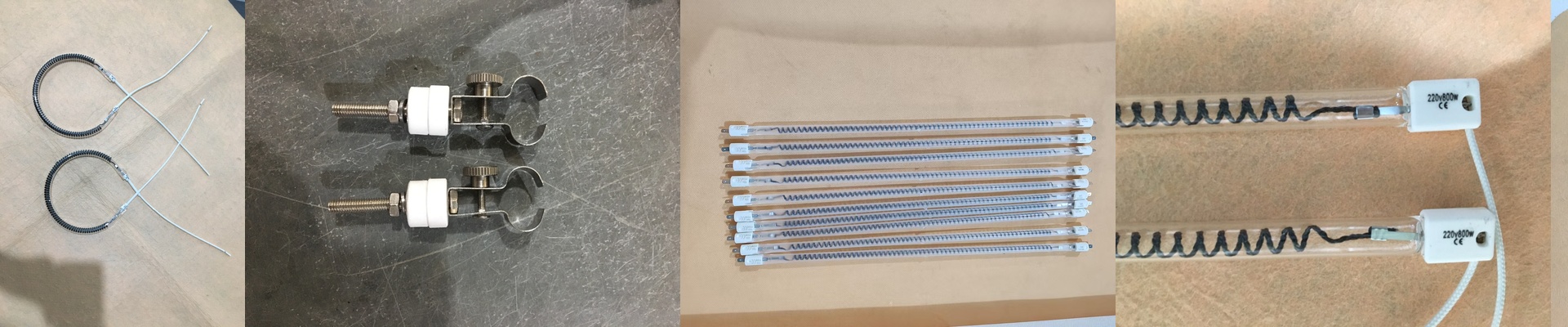
Let’s Talk Carbon Fiber Quartz Heating Tubes
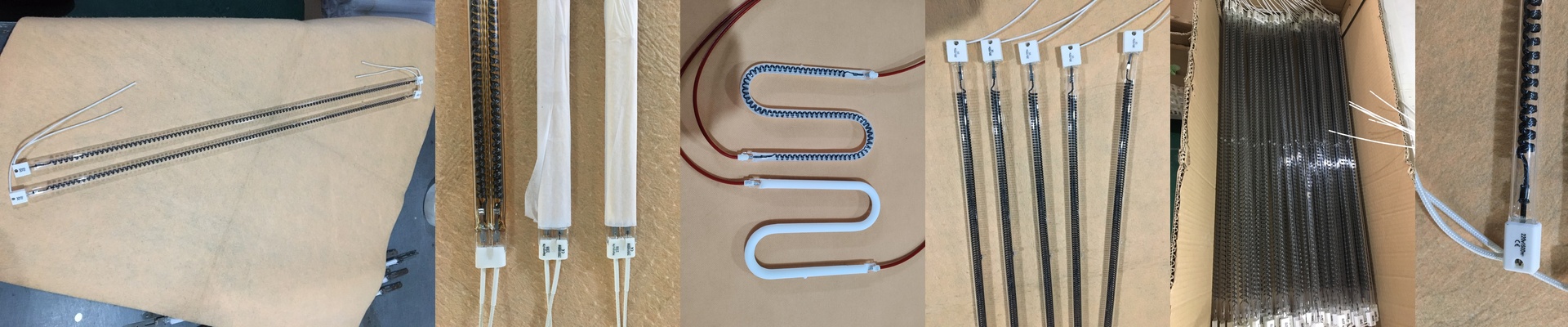
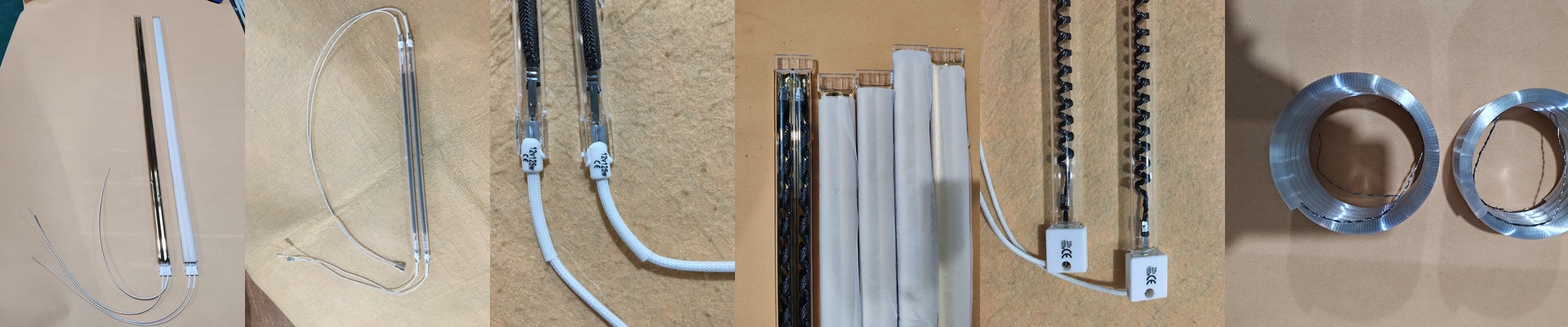
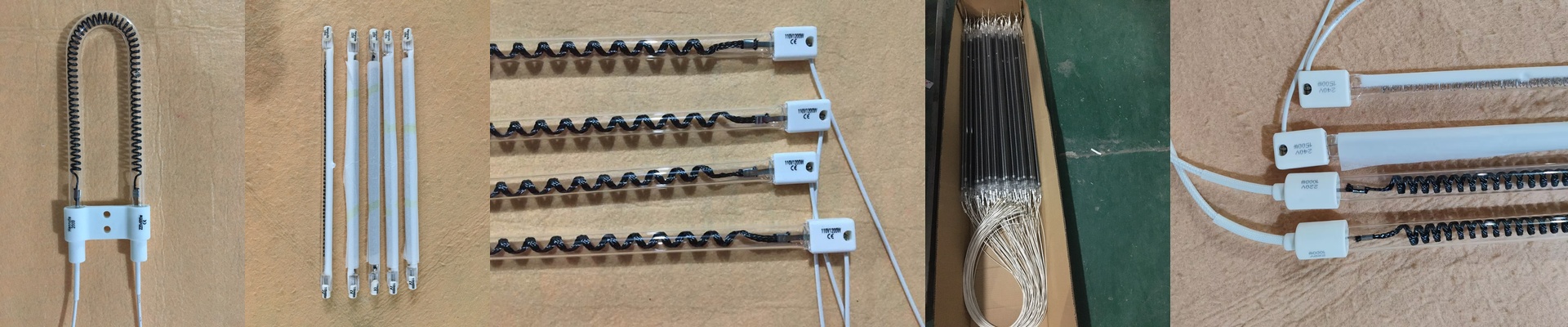
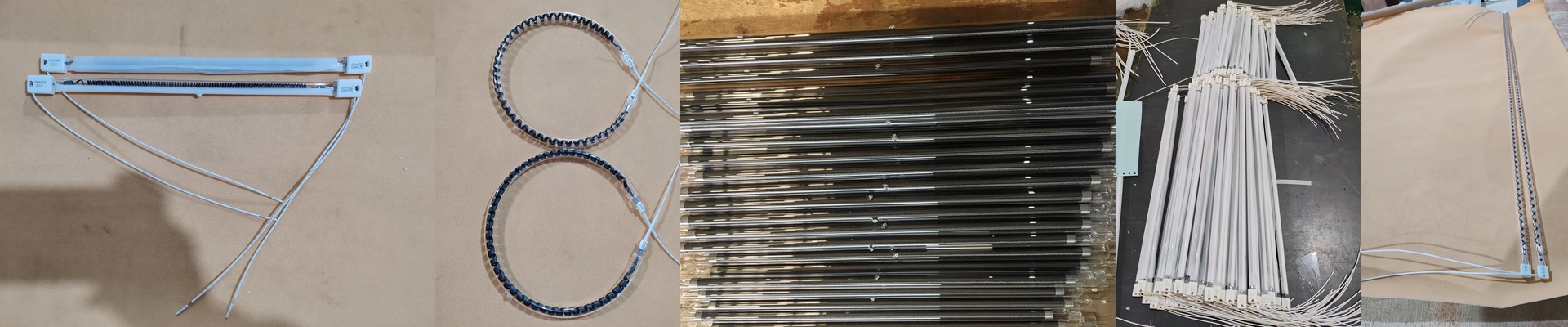
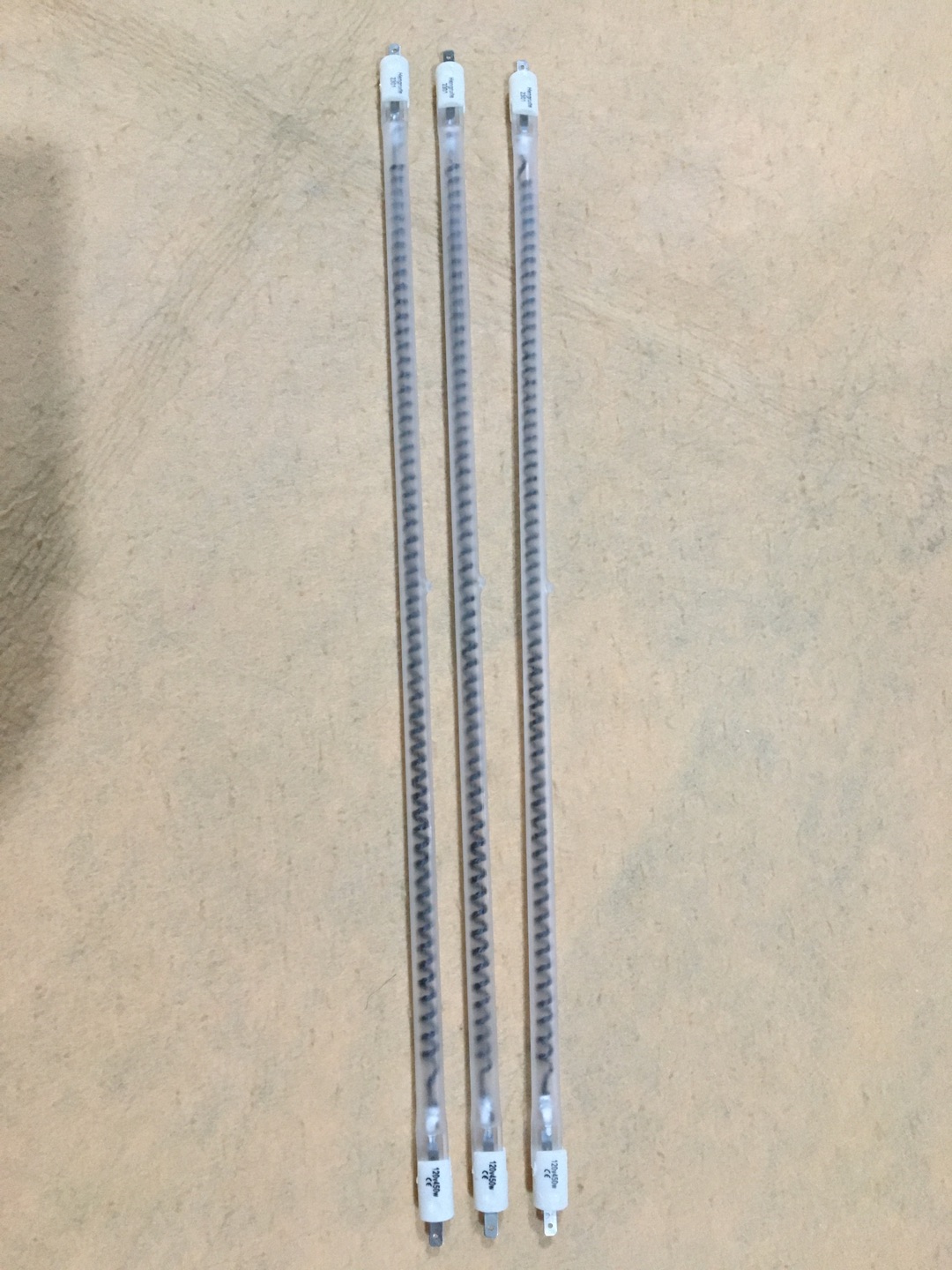
If you need something that heats up fast—and I mean really fast—and gives you a tight grip on your thermal control, these carbon fiber quartz tubes are your best bet. Instead of the usual metal filaments you see everywhere, we put a carbon fiber heating element inside a high-purity quartz shell. It’s a different beast entirely.
Getting the Heat Right
We build these things to handle a ton of power. Because we’re using carbon fiber instead of standard nichrome wire, you have way more wiggle room with your wattage and voltage. When you’re setting up a high-output line, just keep this in mind: the wattage controls how hard the heat hits, but your voltage has to be a perfect match for your power supply. If it’s off, you’re looking at a burnout, and nobody wants to deal with that mid-shift. The quartz is the secret sauce here. It lets short-wave and medium-wave infrared radiation slide right through. This means the heat goes straight into your workpiece. You aren’t wasting time heating up the walls of the tube first.
The Nitty-Gritty: Design and Risks
The quartz shell isn’t just for show; it keeps the carbon fiber from oxidizing. Here’s the catch: if that seal fails, the carbon fiber will oxidize and snap in a heartbeat. To stop that from happening, we use specific end-cap seals to keep the gas where it belongs. For the connections, you’ll probably be looking at R7s or SK15. They’re basically plug-and-play. But please, check your sockets. If you’re running high-wattage tubes through cheap sockets, they’re going to melt. It’s just not worth the risk.
Making it Work in the Real World
If you’re still running old halogen systems, these are a great swap. You’ll notice the heat is much more even across the whole tube, so you don’t have to worry about those annoying cold spots on your material. But a word of caution: be gentle. Quartz is tough, but it hates thermal shock. A sudden, violent temperature swing or a clumsy bump during installation can crack the whole thing. And one last thing. These high-density emitters pull a lot of juice. Make sure you’re using the right gauge of cabling. If your wires are too thin, you’ll get a voltage drop, and your operating temperature will dip right when you need it to stay steady.