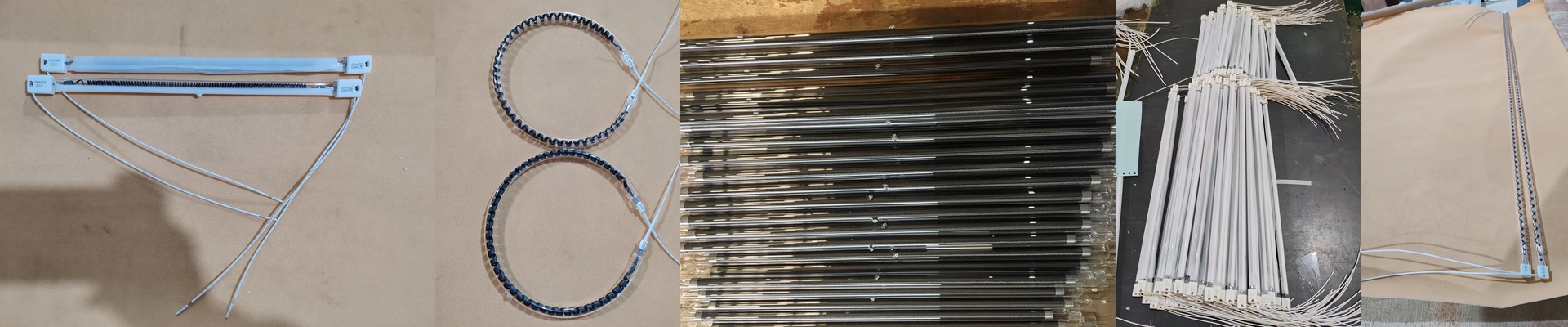
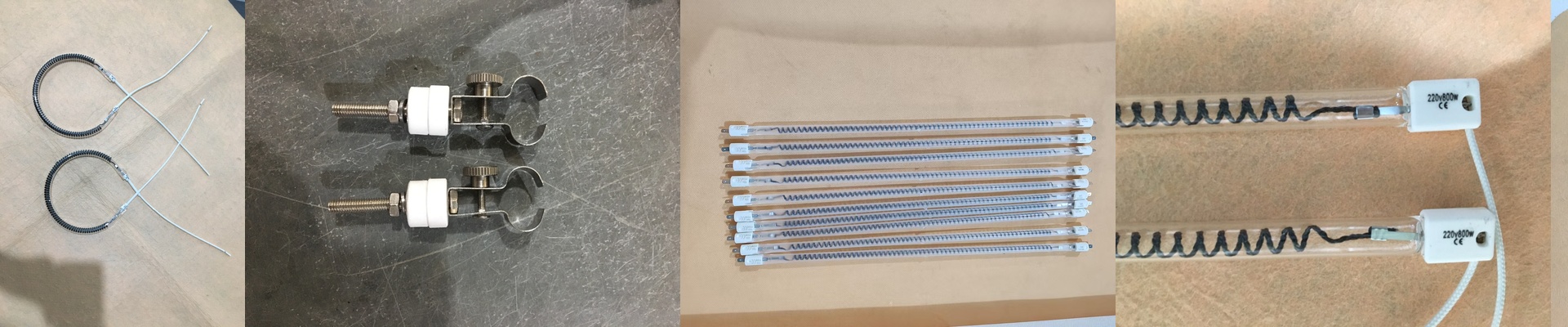
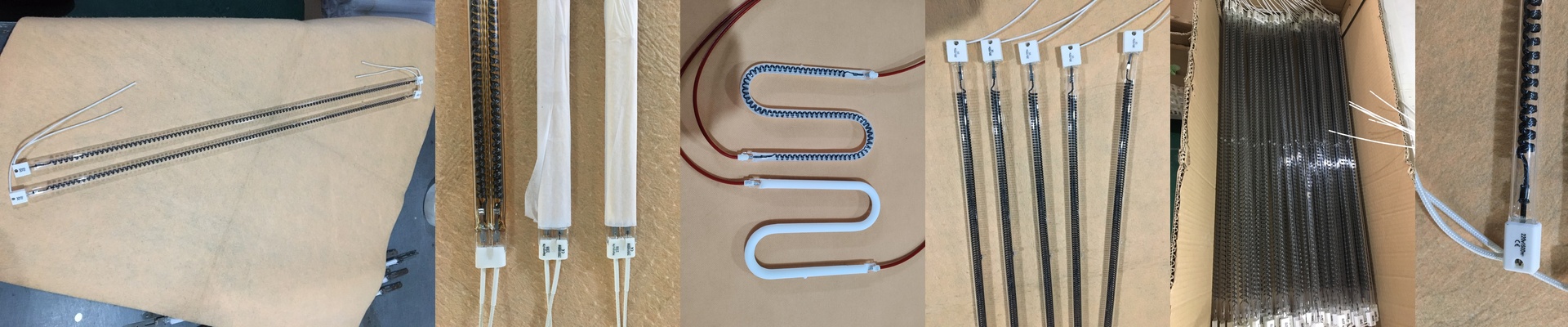
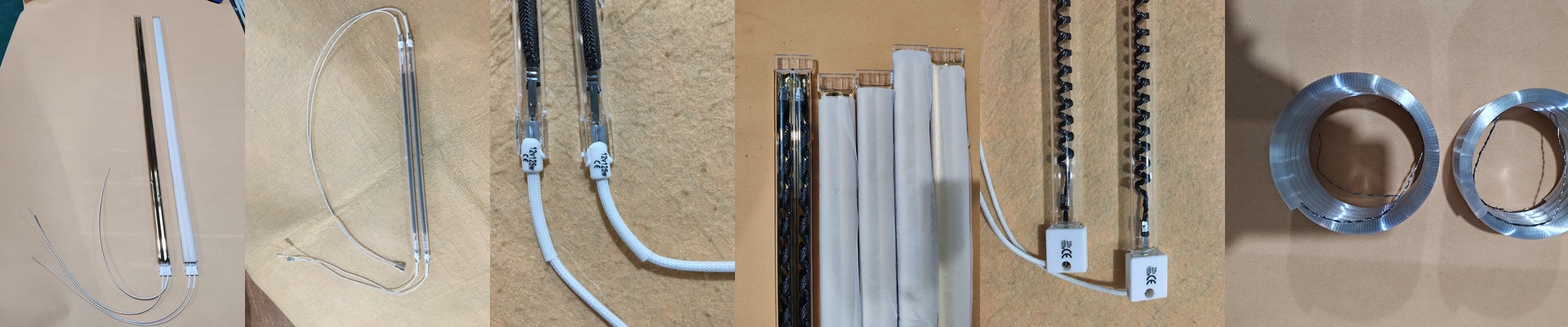
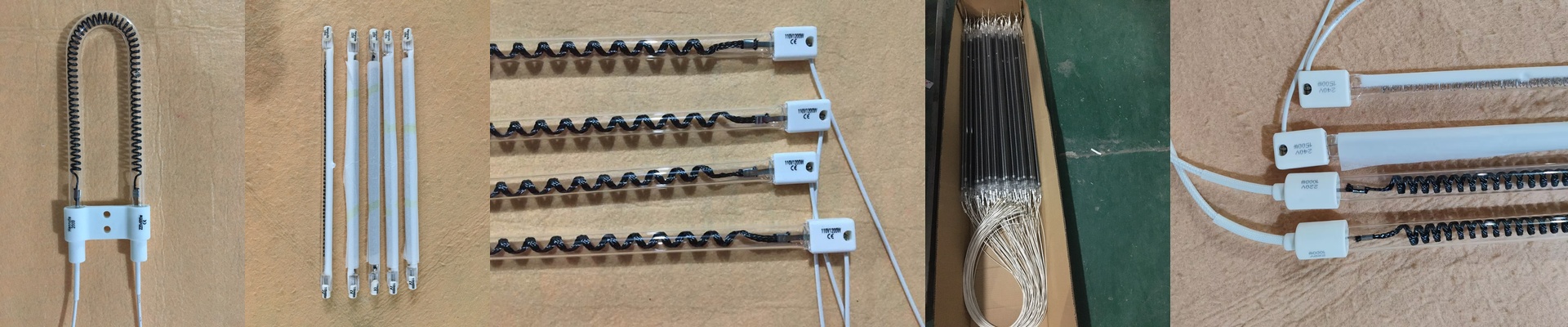
Let’s Talk About Far Infrared Carbon Fiber Heaters
We use carbon fiber for the heating elements in these units because we want to move the heat into the far-infrared (FIR) range. Think about those old metal coils. They have to get screaming hot on the surface to push out heat. Carbon fiber is different. It turns electricity into long-wave radiation. Instead of just searing the surface of whatever you’re heating, the energy actually sinks deep into the material. No more scorched edges.
How the Heat Actually Works
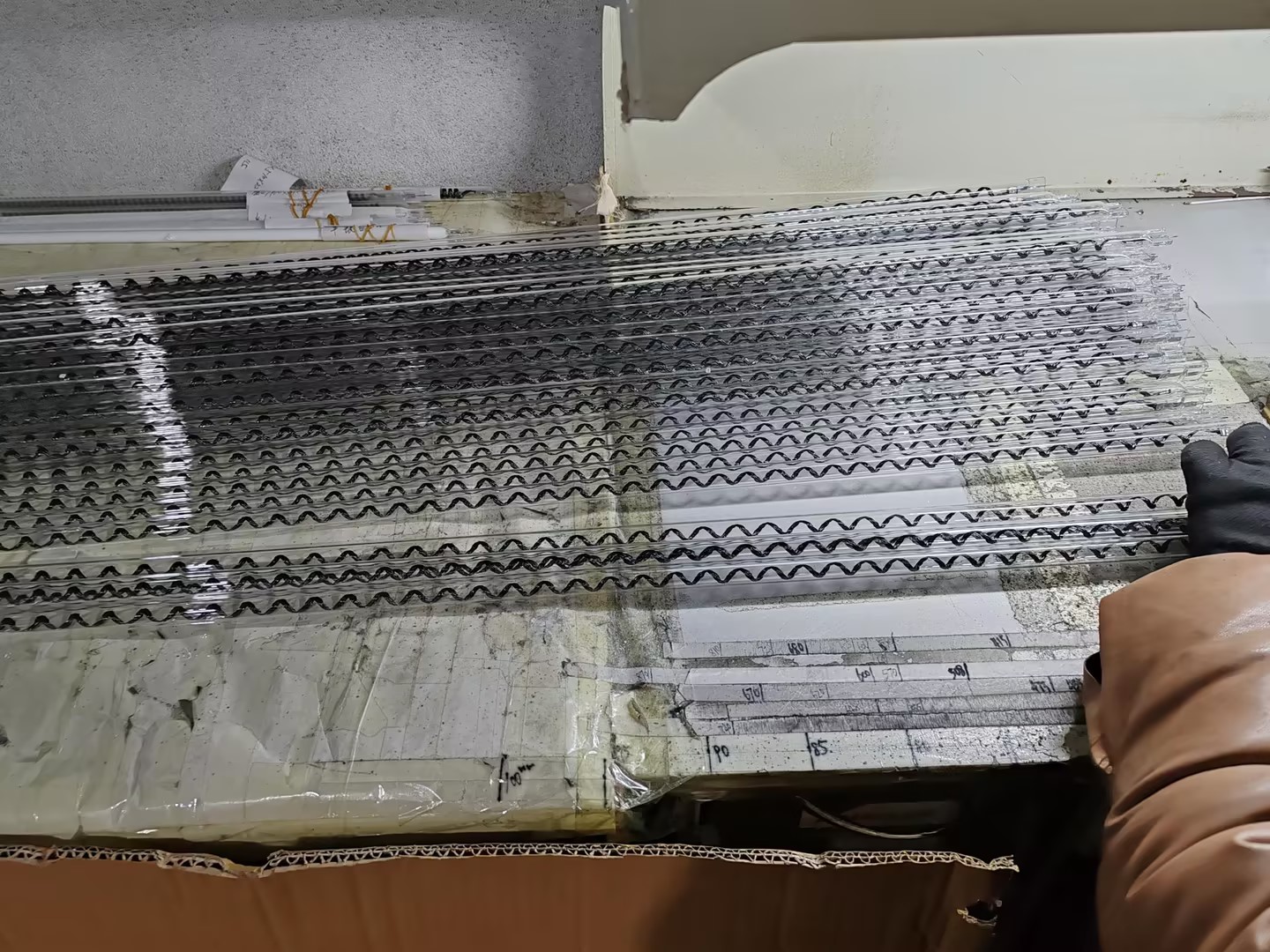
One of the best things about carbon fiber is that it stays cooler on the surface than those bright quartz or halogen lamps. We weave the fiber ourselves. This lets us dial in the resistance per meter, so you can get the exact wattage you need for your specific setup. Plus, carbon fiber doesn’t warp or sag like nichrome does. It just stays put. You get a smooth, consistent heat profile from one end to the other. If you go with a high-wattage setup, you’re getting a ton of heat density. Just a heads-up: make sure your wiring and power supply can handle that initial surge when you flip the switch. And if you’re pushing it hard, give your housing some breathing room. You don’t want your terminals overheating.
Built to Last
We wrap the carbon fiber in a protective sleeve—usually quartz or a tough polymer. Why? Because oxygen is the enemy. If the fiber hits high temperatures while exposed to air, it’ll just burn out. The sleeve keeps everything sealed and safe. If you’re still using old ceramic or metal heaters, these are pretty much drop-in replacements. We use standard industrial connectors, so you won’t be fighting with the wiring. The real win here is efficiency. You stop wasting energy heating up the air around the part and start putting that energy directly into the workpiece.
Where This Actually Helps
You’ll mostly see these in PET processing, plastic curing, or drying tunnels. Because the radiation is long-wave, it cuts right through thick materials. It solves that annoying “skin effect” where the outside of your part is burnt to a crisp but the core is still freezing. It makes your cycle times much faster. Just keep in mind that FIR doesn’t hit peak temperature instantly like a halogen lamp does. It takes a minute to ramp up, so you’ll want to tweak your process timers to account for that.
- Far
- Infrared
- Carbon
- Fiber
- Heater
- 300 1000mm 1000w 1500w 2000w Infrared Quartz Heating Lamp for Pet Blowing Machine
- 2500w-400v-Sk15-Halogen-Infrared-Heat-Lamp-Infrared-Lamp-Heater-for-Pet-Bottle-Blowing-Machine
- 2000w 220v Sk15 Half White Plated Halogen Infrared Heat Lamp for Pet Bottle Blowing Machine