Stop Letting Your Sockets Kill Your Tunnel Furnace
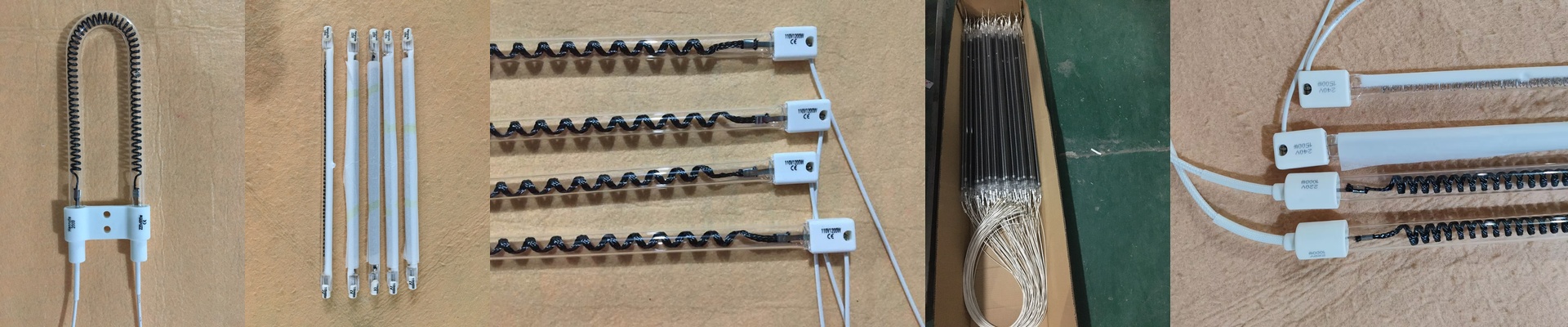
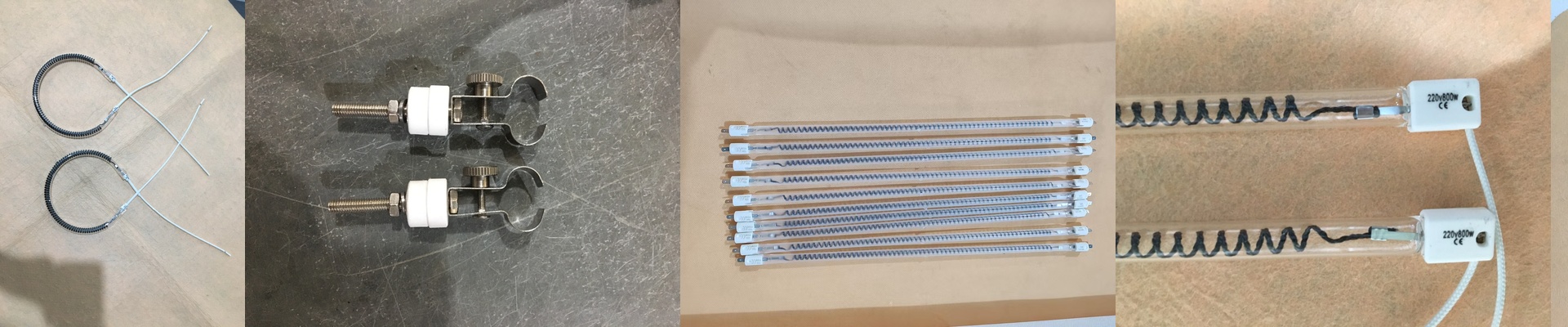
If you’re running a long-distance tunnel furnace, you know that keeping the temperature steady is a nightmare. Most people think they just need a more powerful lamp to fix the problem. But here’s the thing: the lamp usually isn’t the problem. It’s the connection. For those of you running Adelco-compatible setups, the sockets are where things usually fall apart. That’s why we stick with high-grade ceramic. It keeps the lamps from burning out right at the terminals when you’re pushing the system hard. The heat is the enemy Inside a tunnel furnace, things get hot. Fast. If you’re using cheap plastic or some low-grade composite, those sockets are going to warp or just melt away. That leads to arc-overs or, even worse, the whole circuit just quitting on you. We use ceramic because it doesn’t flinch under extreme heat. It stays rigid. And that matters. If a socket shifts, your lamp shifts. Once the lamp is out of alignment, you start getting hot spots on your workpieces, and suddenly your quality control is a mess. It’s all about the fit These are designed to drop right into Adelco heating zones, but the real magic is in the contact pressure. Think about it: poor contact creates resistance. Resistance creates heat. And that heat is exactly what eats your sockets alive. By using precision ceramic housings, we keep that connection tight. No gaps, no wiggle room. Just stable power flowing across the entire length of the oven. The catch (because there’s always one) Now, look—ceramic isn’t magic. It’s rigid. It doesn’t flex or “give” at all. If your maintenance crew tries to force a lamp in at a weird angle, the ceramic will crack. You can’t just bend these into place. You have to be patient and make sure the lamp is seated perfectly square. It takes a bit more discipline during installation than the cheap, flexible stuff. But once they’re wired up? You can stop worrying about melted connectors and the constant downtime that comes with them.