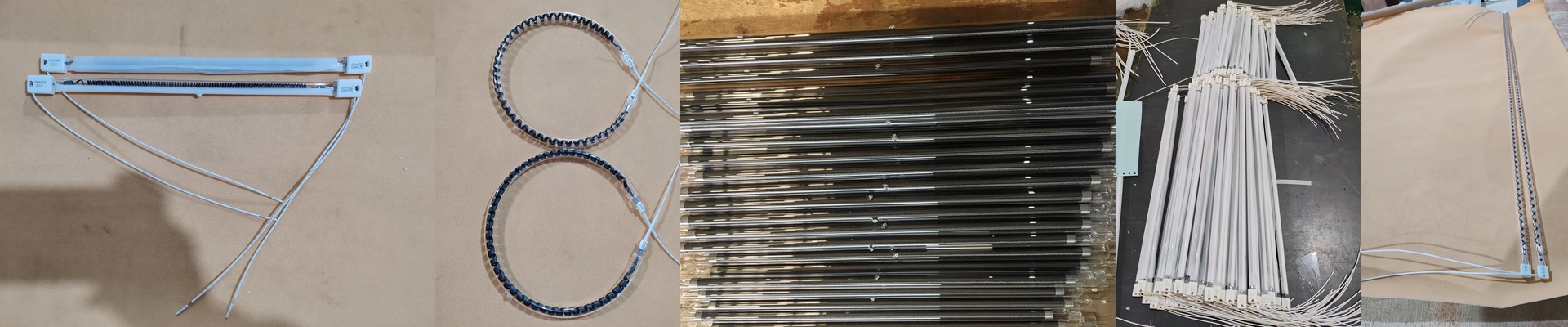
Getting Your KTK Oval Printer Back Up to Speed: The Truth About Twin Tube Heaters
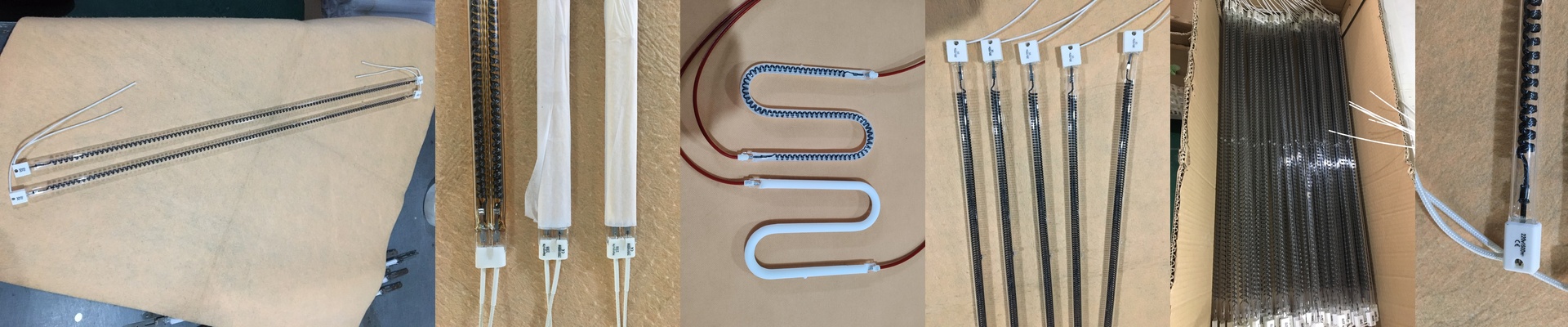
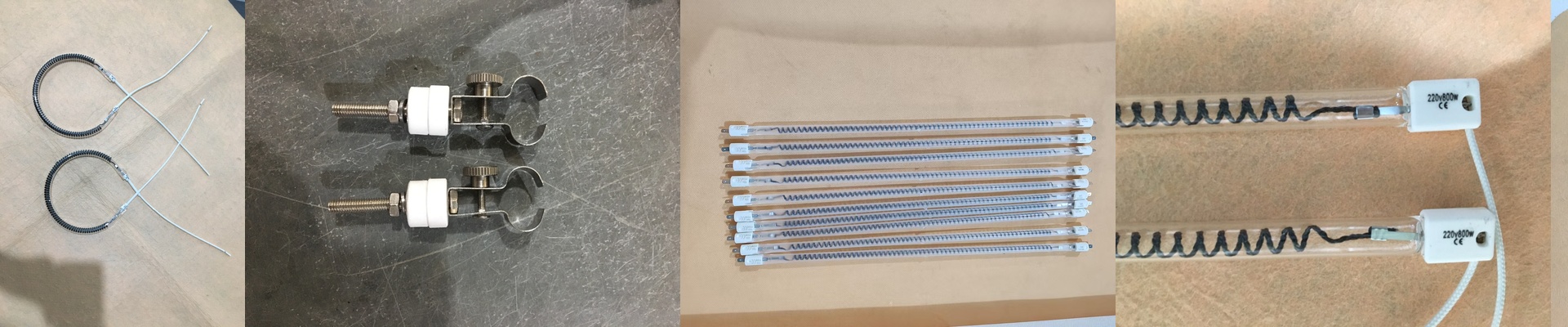
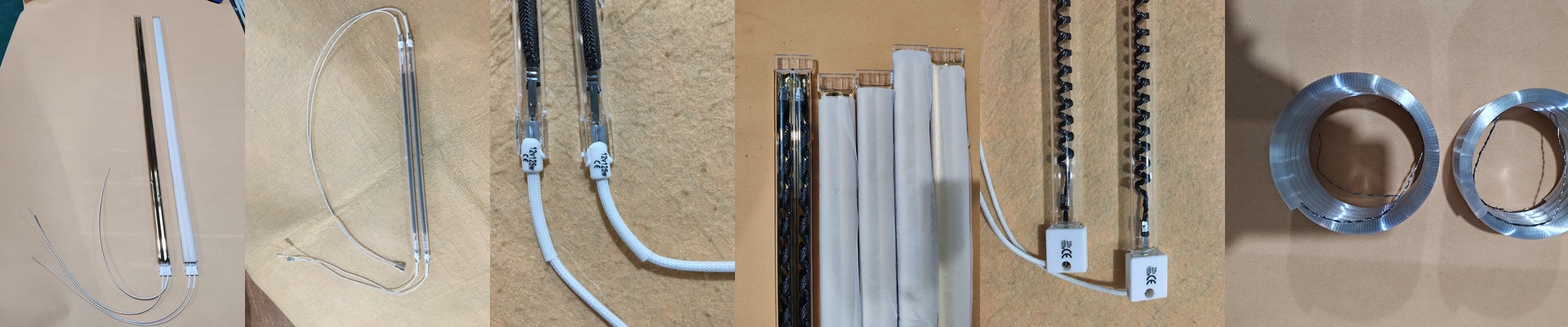
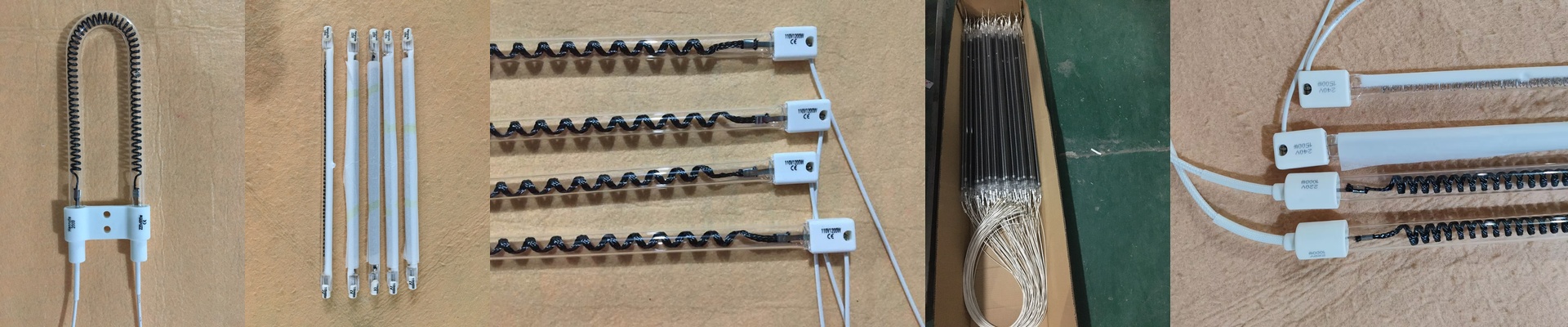
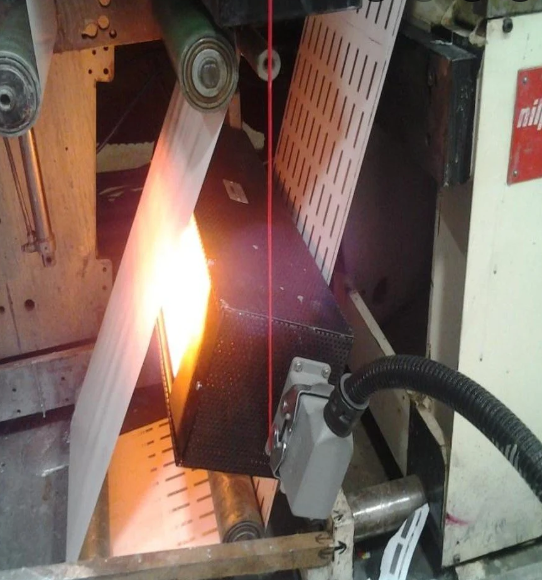
If you’ve ever tried to swap out infrared lamps in a KTK oval printer, you know it’s not as simple as just checking the wattage. It’s a game of millimeters. If the fit is slightly off or the heat doesn’t hit the right spot, you’re looking at uneven curing or, even worse, a damaged machine frame. That’s a headache nobody needs on a production deadline. We build our twin tube quartz heaters to be a true 1:1 swap. No drilling, no hacking, no “making it work.” They just fit. Why the twin tube design actually matters Think of the twin tube setup as packing double the punch into the same amount of space. You get way more heat density without needing a bigger housing. We’ve dialed in the voltage and wattage to match Heidelberg/KTK systems exactly. Because these are high-wattage quartz tubes, they blast out short-wave radiation the second you flip the switch. The ink hits that heat and cures instantly. That means your substrate spends less time under the lamp, and your line moves faster. The nitty-gritty on the build We use high-purity quartz glass for a reason: it doesn’t warp when things get scorching. We also make sure the internal tungsten filaments are perfectly centered. If they drift, you get hot spots on the glass, and that’s how tubes blow. But the real secret is in the end-caps and connectors. If the pins don’t seat perfectly in your sockets, you get arcing. It’s loud, it’s dangerous, and it ruins equipment. We make sure our lamps slide right into your existing KTK mounts. Simple as that. A few things to watch out for Here is the honest truth: a high-density setup puts a lot of pressure on your power supply. These lamps are beasts, and they pull a heavy current. Before you plug them in, double-check your wiring and breakers. If your circuit is overloaded, you’ll burn through your filaments way faster than you should. And one last tip?Keep your reflectors clean. It sounds basic, but oxidized reflectors can kill your heat output by about 20%. When that happens, your lamps have to work twice as hard to get the job done, which just shortens their lifespan. Give them a wipe, and your heaters will thank you.