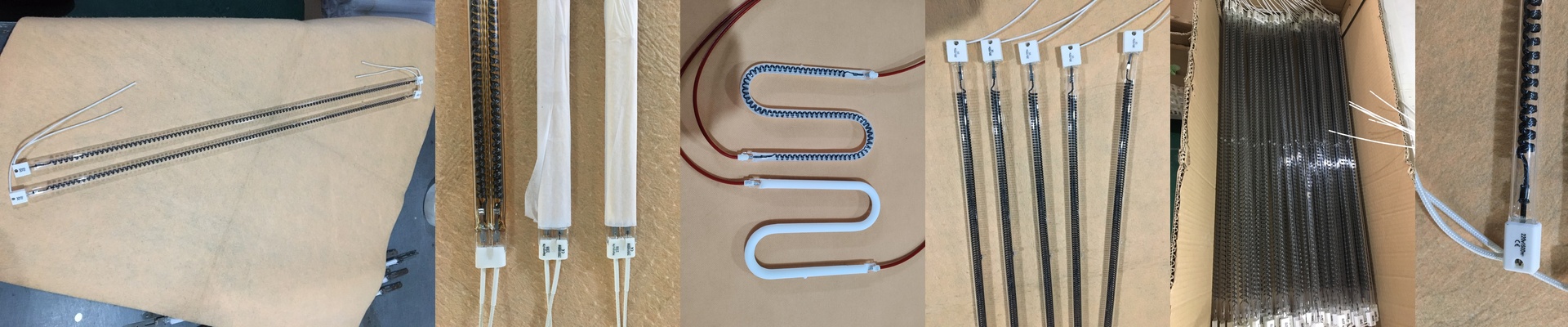
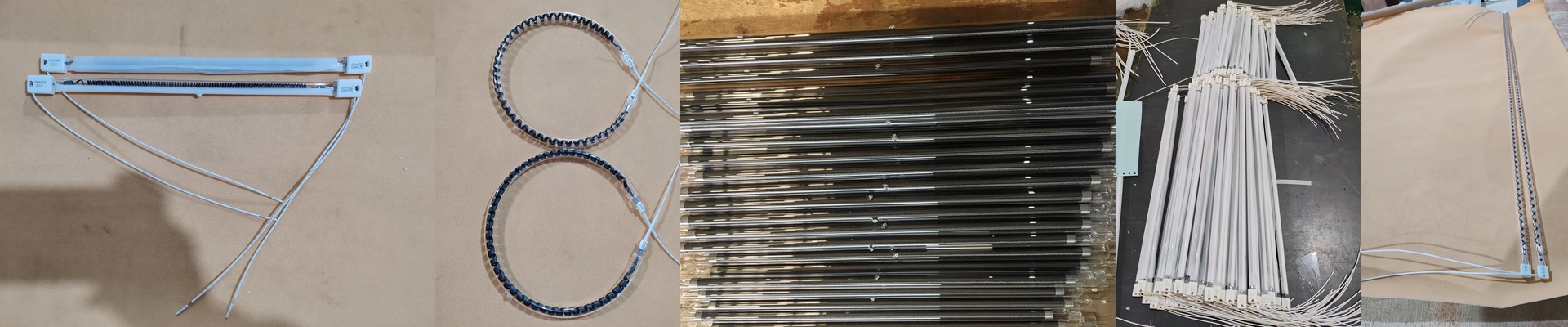
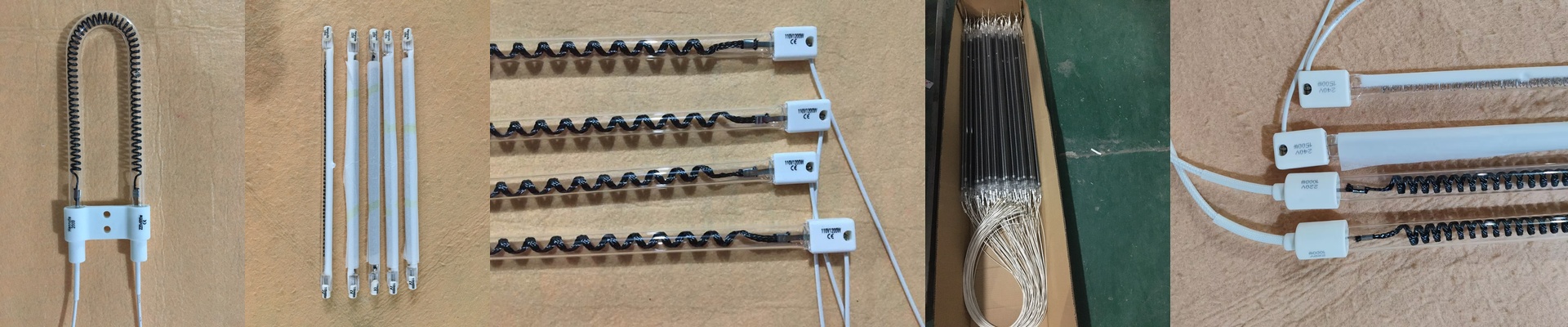
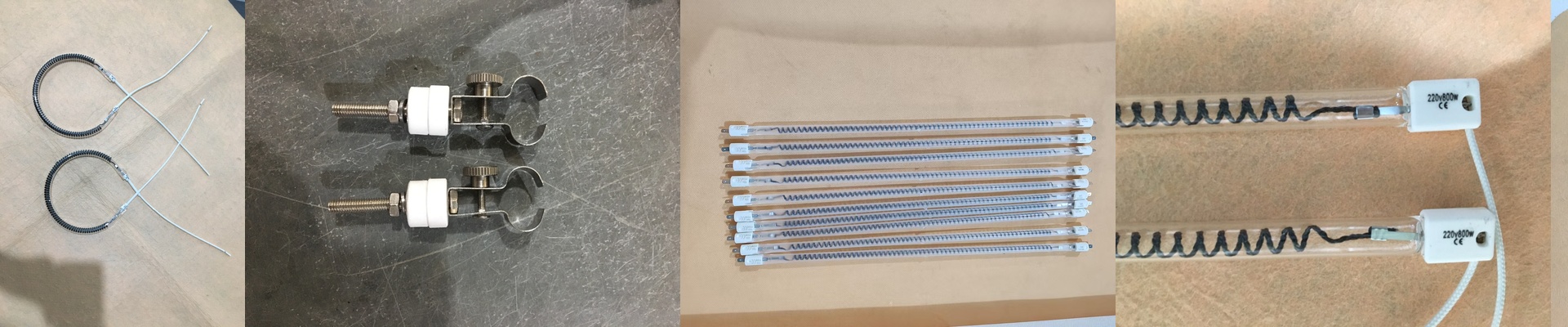
Getting the Heat Right on Your Sulfet Rotary Line
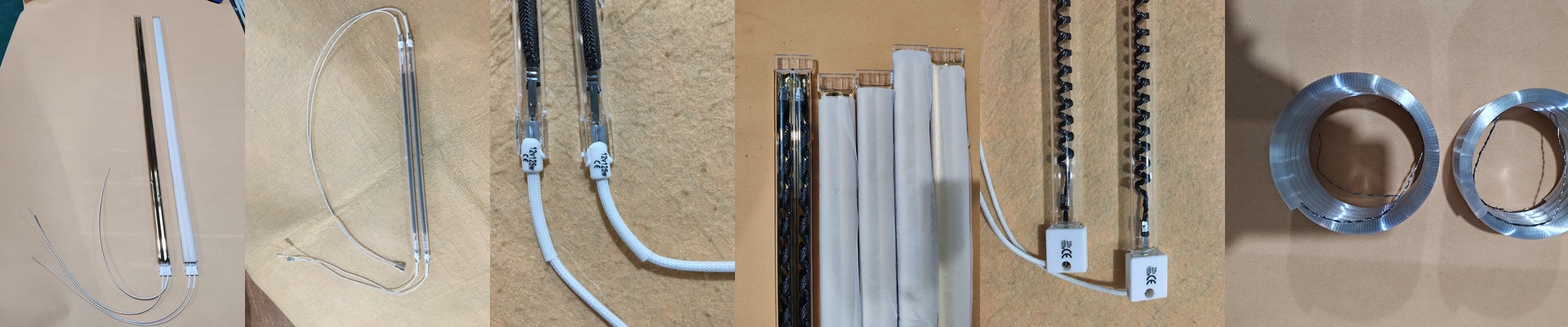
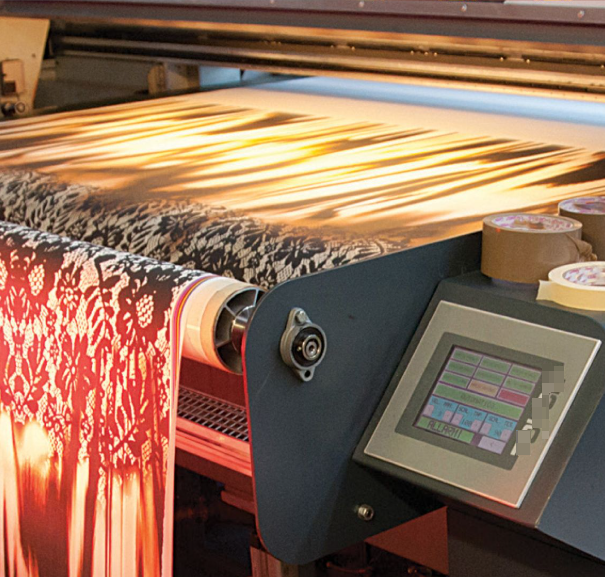
If you’re swapping out heating elements in a Sulfet line, you already know it’s not as simple as just picking a tube that looks the right length. When you’re dealing with these 27.25-inch quartz tubes, it all comes down to how the heat actually hits the fabric. If it’s uneven, you’re looking at spots or dyes that just won’t cure. Not a great look. Why that 27.25-inch measurement actually matters We make these to fit exactly. Why? Because if a tube is even a tiny bit off, it won’t sit right in the reflector. You’ll end up wasting heat, and it puts a lot of unnecessary stress on your mounting brackets. The quartz is great because it lets that short-wave infrared heat blast straight into the fabric. But here’s the catch: it’s fragile. Like, really fragile. Quartz hates thermal shock and, believe it or not, the oils from your skin. If you leave a fingerprint on the glass while you’re installing it, you’ve just created a hot spot. That’s usually how these tubes burn out way sooner than they should. Power and Fit These are designed to slide right into Sulfet systems without any fuss. We spend a lot of time making sure the electrical load matches your existing transformers. Think of it this way: if you push too much wattage through a tube that isn’t built for that voltage, you’re just killing the filament. We use high-grade quartz to handle the constant on-and-off cycling of rotary printing, and we center the filaments perfectly so the heat is the same from one edge of the fabric to the other. A few tips for the floor When you’re wiring these up, do yourself a favor and check for oxidation on your contact points. A loose connection at the terminal creates resistance. Instead of the heat staying in the filament where it belongs, it starts heating up the lead-in wire. It’s a classic mistake, but it’s one of the biggest reasons these high-output dryers fail early. Also, keep your reflectors clean. The cleaner they are, the more that infrared heat bounces back onto the material, which means you’re getting the most out of your equipment.