Getting Your MHM Printing System Back Up to Speed
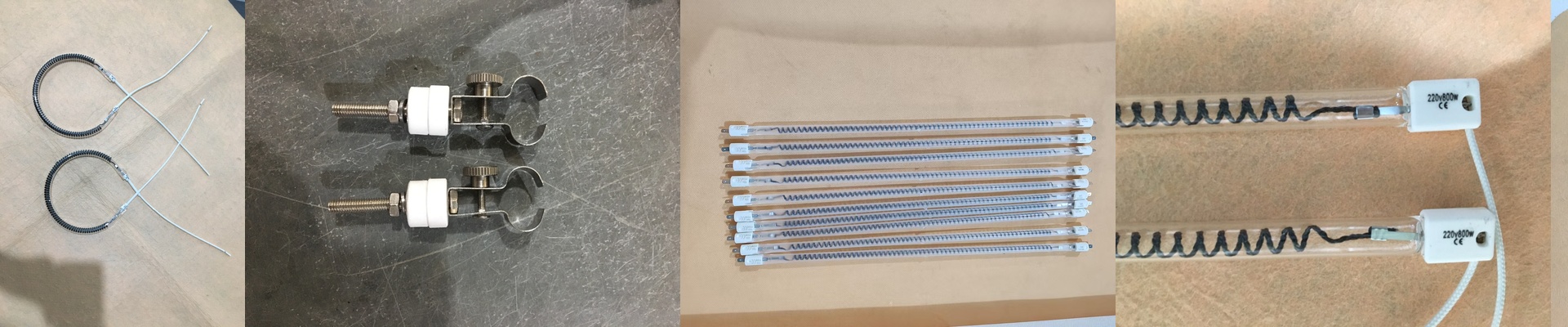
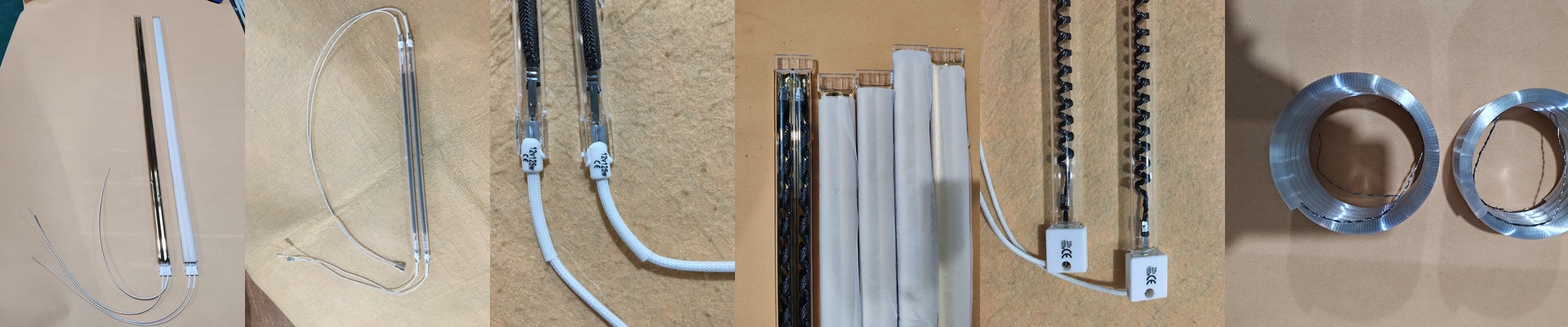
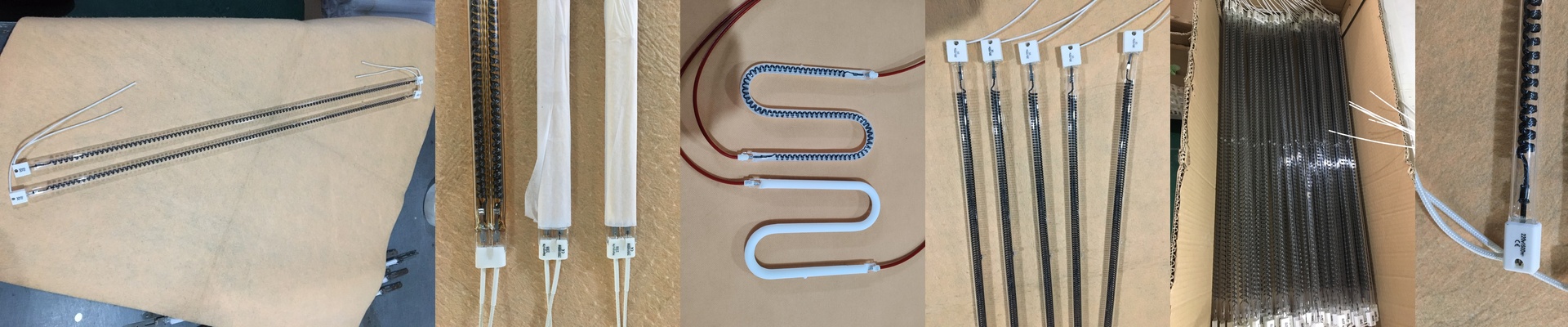
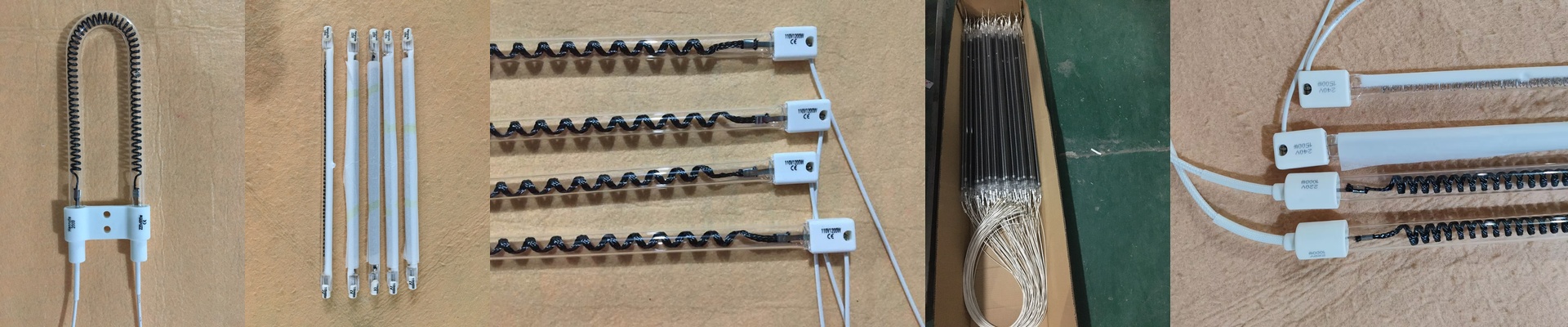
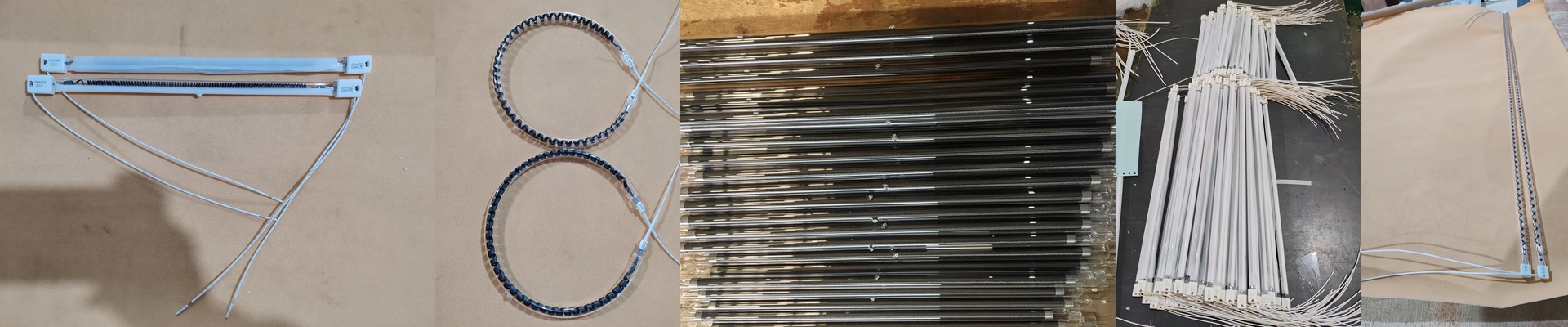
If you run an MHM press, you know the drill. Everything depends on that thermal curing. If the heat isn’t exactly right, your ink doesn’t stick, your colors look off, and you’ve got a mess on your hands. When those heating elements finally burn out, you don’t want a “close enough” replacement. You need something that drops right in and hits the same heat density as the original. That’s why we stick with 8mm OD quartz tubes. They’re built specifically for the heavy lifting required in industrial textile curing. The nitty-gritty on fit and power Here’s the thing about that 8mm diameter: it’s a tight fit. We make sure these tubes match the MHM footprint exactly. Why? Because nobody wants to spend their afternoon fighting with alignment issues during an install. But you have to watch your voltage. It’s a delicate balance. If you put a 230V tube on a 220V line, your curing speed will dip, and you’ll feel it in your production time. On the flip side, over-volting the tube is a shortcut to burning it out way too soon. It’s just not worth the risk. Why quartz actually matters We use high-purity fused quartz for a reason. It lets short-wave infrared radiation slide right through without getting trapped. Instead of wasting energy heating up the air around the garment, the heat goes straight into the ink. We settled on the 8mm wall thickness because it’s the sweet spot—strong enough to not break, but thin enough to let the heat through. Plus, we use tungsten filaments. They can take a beating, which is huge when you’re constantly cycling between rapid heat-ups and cool-downs. A few things to keep in mind These are designed to be OEM-compatible. You can just wire them into your existing connectors and keep moving. No need to mess around with the chassis or modify your setup. One heads-up, though: high-output tubes create a lot of “heat soak.” The more wattage you pump out, the more heat radiates back into the machine’s frame. Check your exhaust fans. Make sure they’re clean and actually spinning. If they aren’t, you’re risking warping your housing over time, and that’s a headache you definitely don’t need.