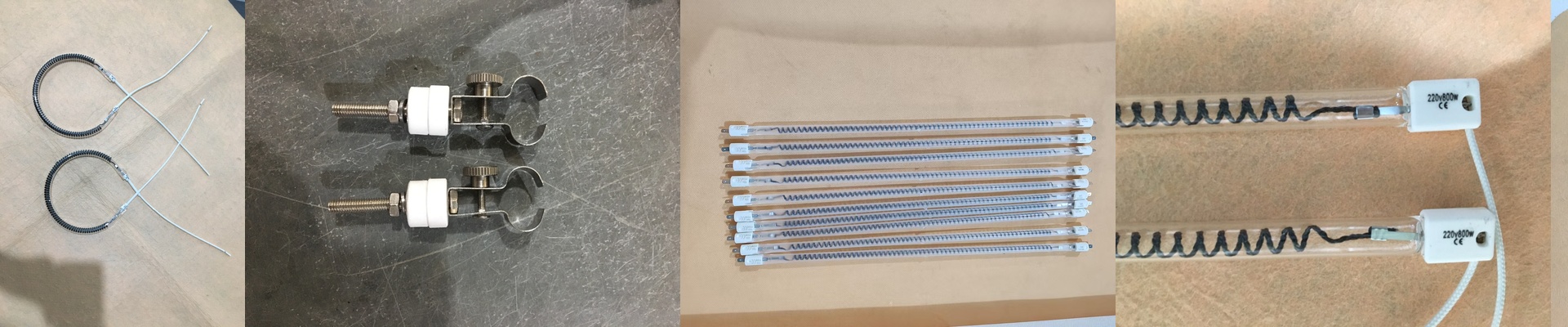
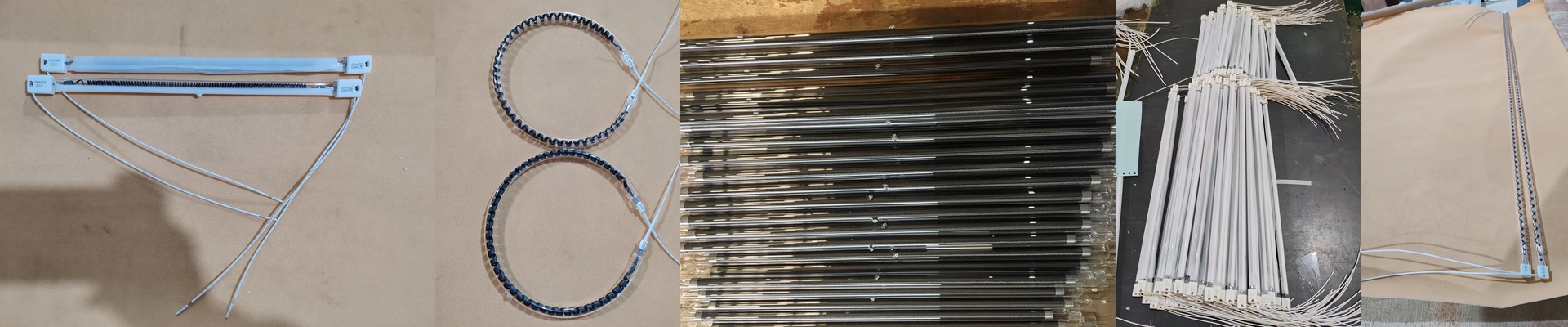
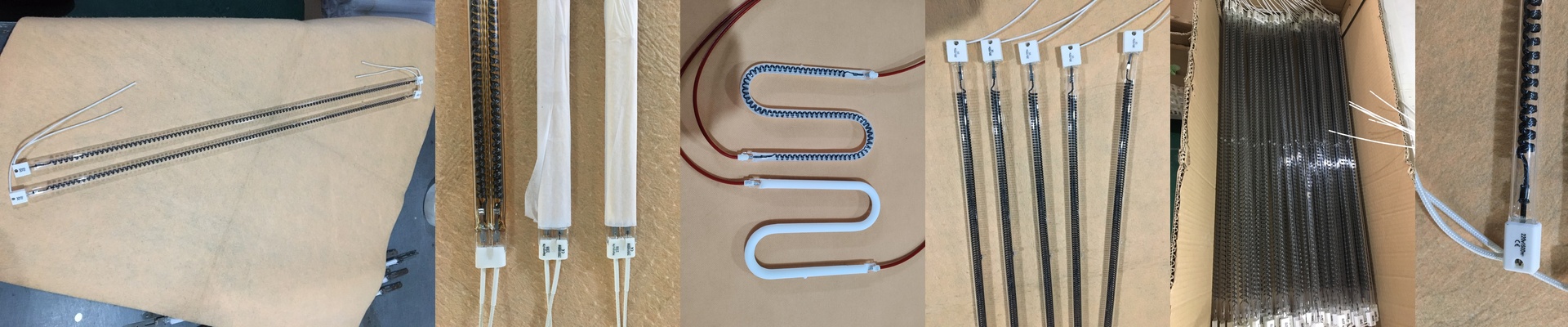
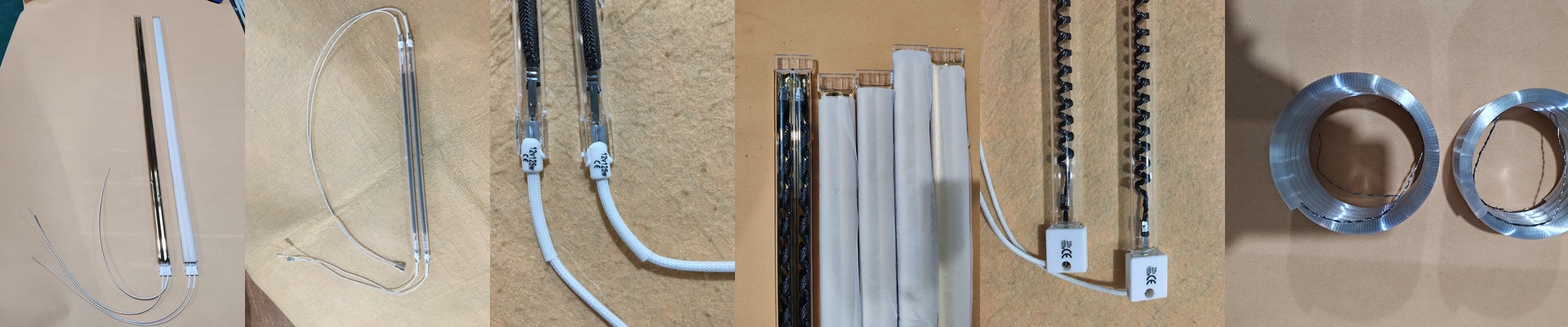
Let’s get into the nuts and bolts: Power, Voltage, and Size
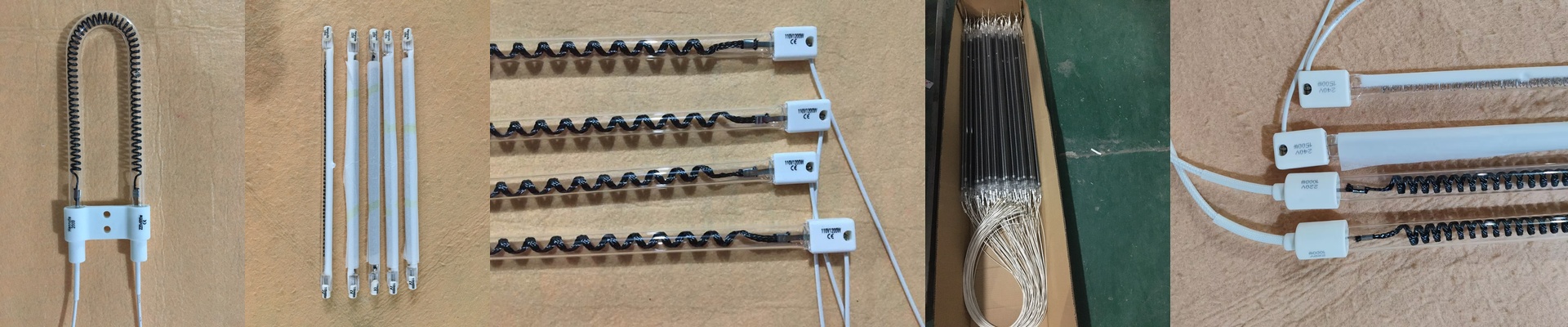
We built these carbon fiber heating elements for one reason: to pack a serious punch into a small space. By running on 400V, we can squeeze more wattage into a compact footprint. The payoff? You get a ton of heat per inch without tripping any circuits. We’re talking about 2500W of power packed into a 300mm active length. That’s how you get fast, intense heat in a tight spot. And the shape? It’s all by design. The geometry fits perfectly into cramped machines, so you get the power you need without having to overhaul your entire setup.
The materials and design that make it work
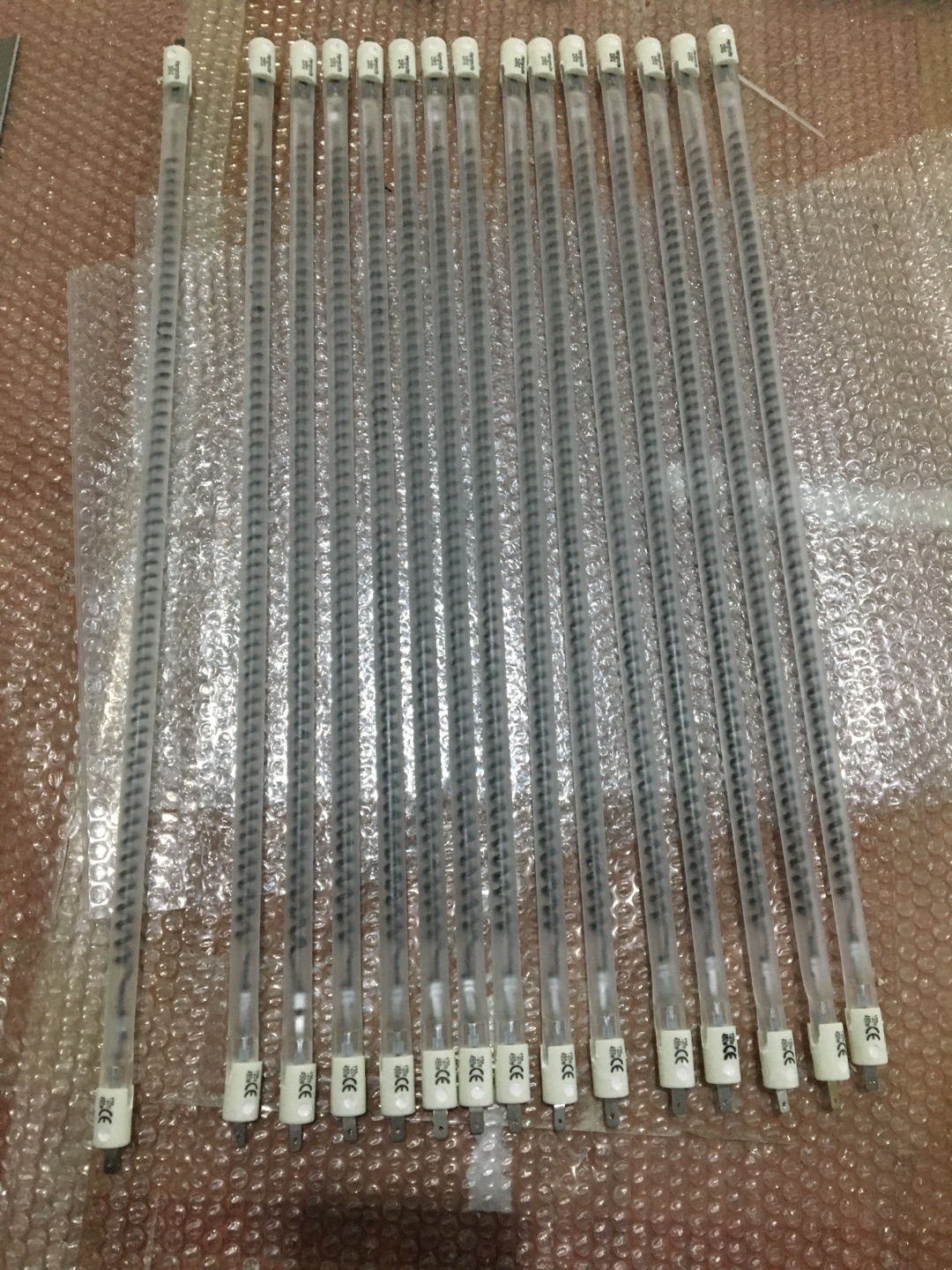
At the heart of it is a halogen-filled quartz tube wrapped around a carbon fiber heating element. This combo keeps the filament stable even when the heat is cranked up, which means far fewer hot-spot burnouts. Then there’s the reflective coating. It focuses all that infrared energy forward, making the element more efficient and shielding the parts nearby from the heat. We use R7s bases because they lock in tight and make replacement a snap. And the Sk15 terminals? They give you a rock-solid, low-resistance connection that can handle the constant vibration and temperature swings of the shop floor.
Where this shines, and what it feels like to use
These elements are the go-to for jobs like PET blowing and plastic forming—anything that needs a quick response and precise temperature control. The high watt density means your cycles are faster. But that also means you need to have your cooling and insulation sorted to manage the ambient heat. But here’s the real win: you get a heat source that’s dependable and easy to service. When something needs replacing, you can swap it out in minutes. That means less downtime and keeps your line moving.