Introduction
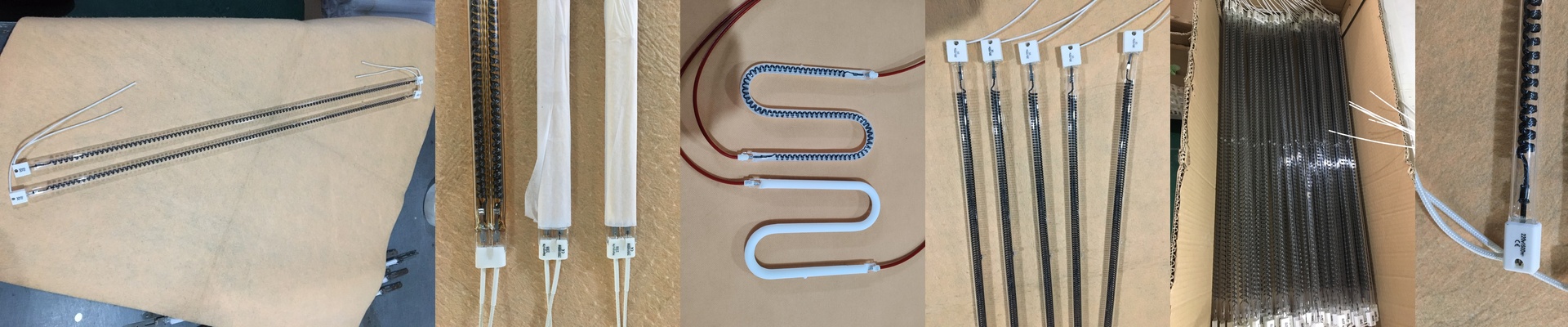
We built this medium wave carbon fiber infrared heating lamp for engineers who just need precise, localized heat—without hauling in a giant full-spectrum system. That 1000W rating? It’s not there to sound impressive. It’s a calculated dose of heat density, designed for one thing: getting you up to temperature fast, and then holding steady—even when your industrial footprint is tight.
Power, voltage, and output—kept practical
A 1000W medium wave lamp means quick ramp-up with controlled penetration. That’s exactly what you want when you’re curing coatings, heating plastics, or drying films. Medium wave energy (around 2–4 microns) gets absorbed well by many polymers and composites, so more of the energy goes where you need it—and less turns into waste heat that stresses the rest of your setup. We spec’d it to standard industrial voltages so you can drop it into existing control panels without rewiring the whole line. And the power density is sized for concentrated zones—think one heating station, not a full oven—so you can push throughput higher without trying to squeeze in more floor space.
What’s inside—and why it stays reliable
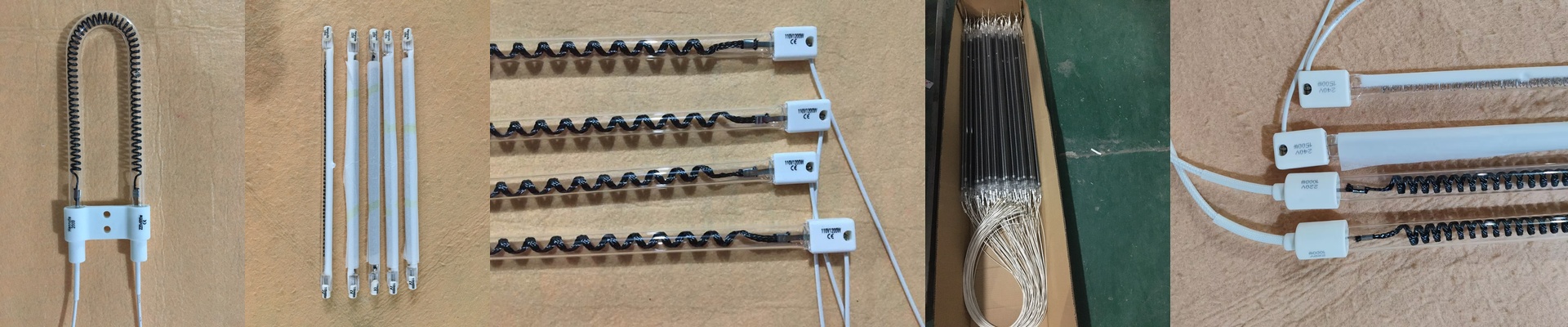
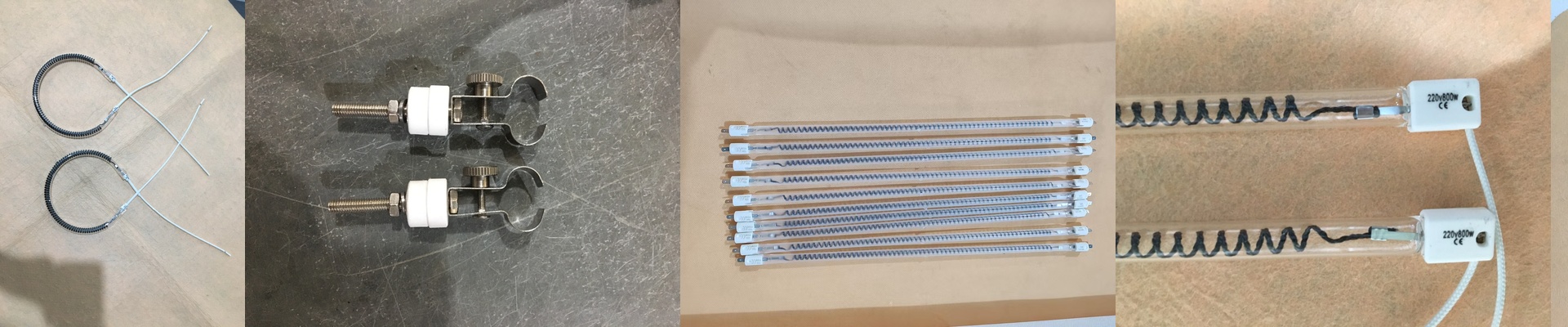
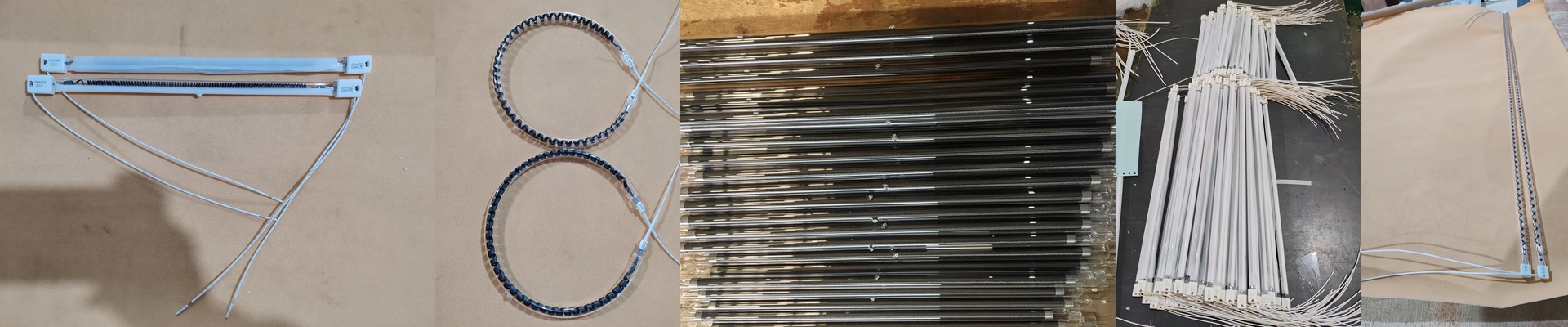
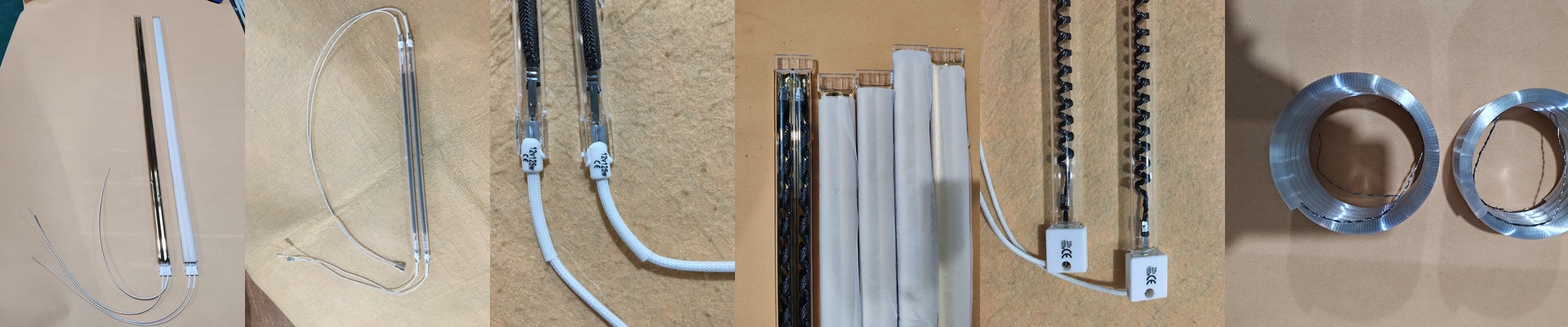
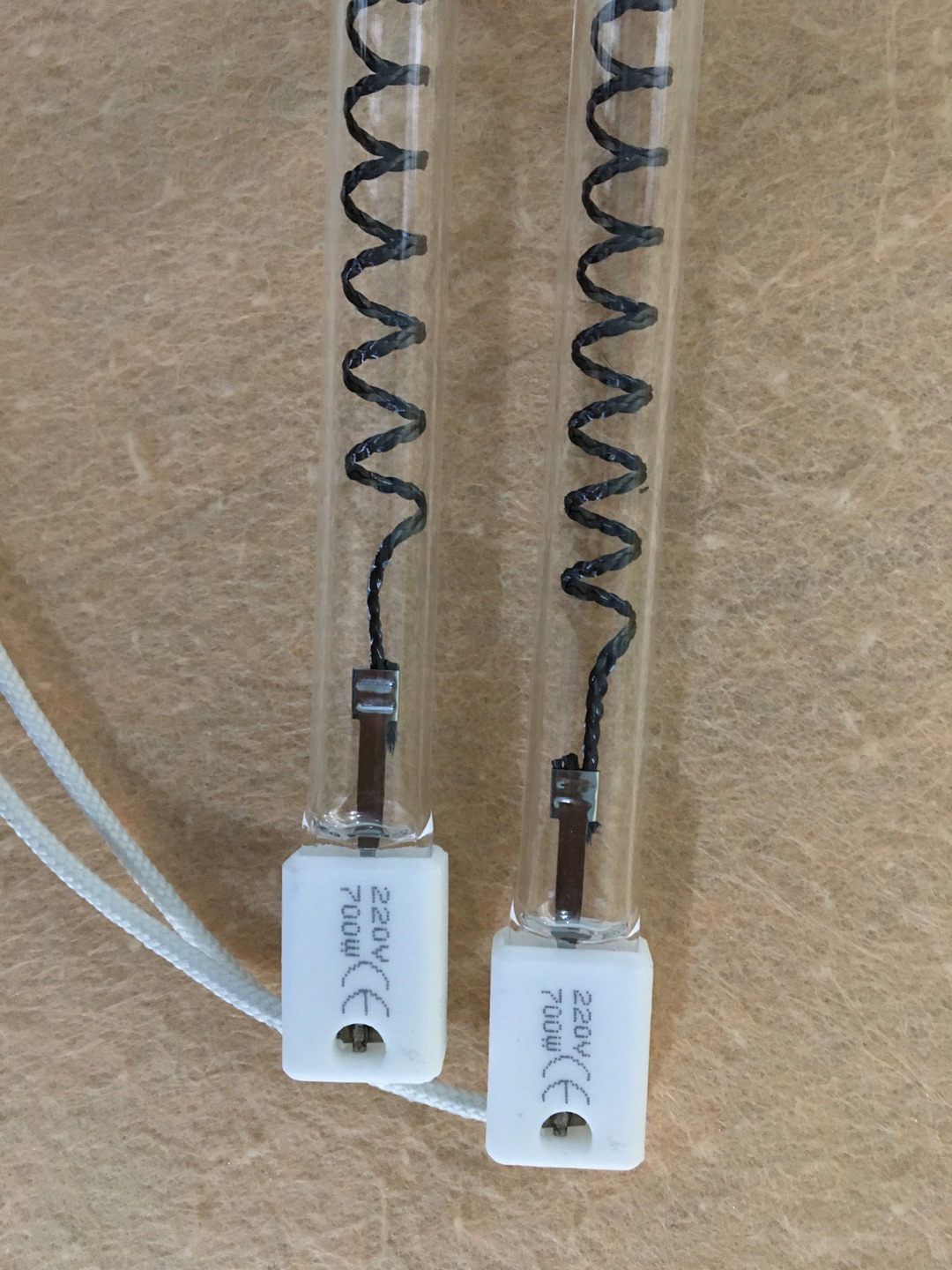
At the heart is a carbon fiber filament inside a quartz envelope. Carbon fiber gives us a stable resistance curve and even temperature spread along the lamp’s length, which helps prevent hot spots that can kill a lamp early. The quartz envelope handles internal pressure, shrugs off thermal shock, and stays clear enough to keep IR transmission consistent. Then we paired it with an R7s connector because, honestly, it’s a proven fit for linear IR lamps. It’s compact, holds contact solidly, and makes installation straightforward: slide it in, lock it down, wire it up. When a lamp needs swapping, you want it done fast—especially when the line is running.
Where it shines—and what to watch for
Use this lamp wherever you need rapid heat-up, predictable output, and easy replacement. It’s a natural fit for PET preform heating, thermoforming, laminating, and adhesive curing. Medium wave hits that sweet spot for many plastics: fast absorption without scorching the surface. Just keep this in mind: that concentrated 1000W heat density is powerful. Make sure you’ve got adequate cooling and clearance. Set airflow and reflector spacing so ambient temperature stays controlled—your nearby components will thank you.