Carbon Fiber Halogen Heating Tubes: 400V, 2500W, and the R7s Drop-In Advantage
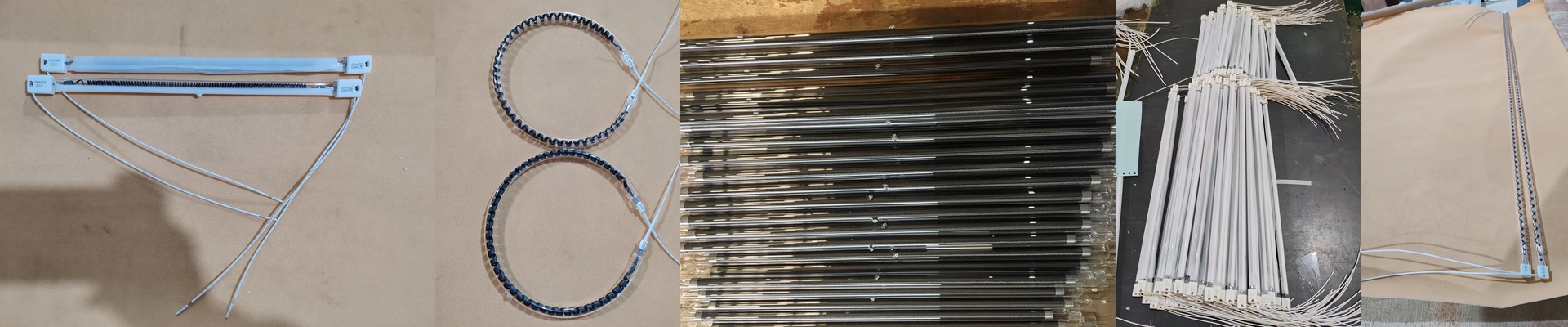
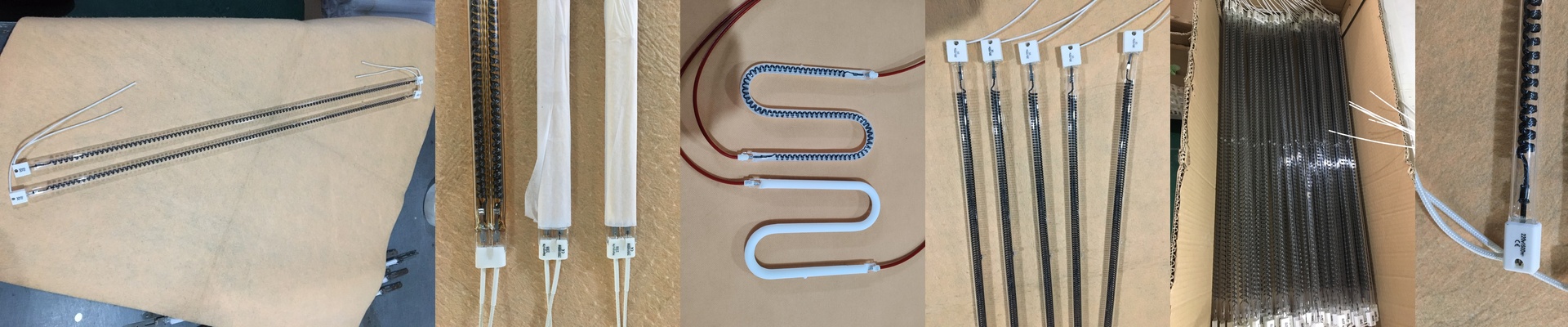
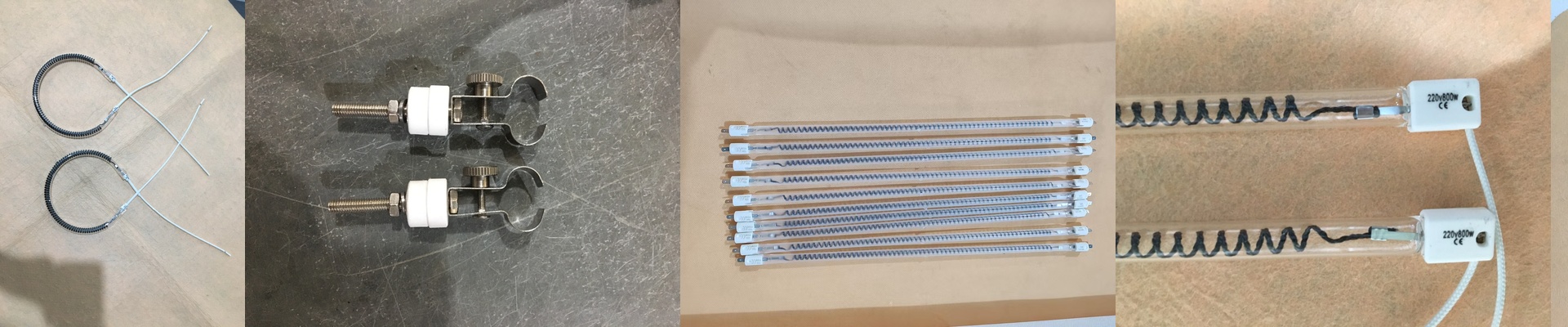
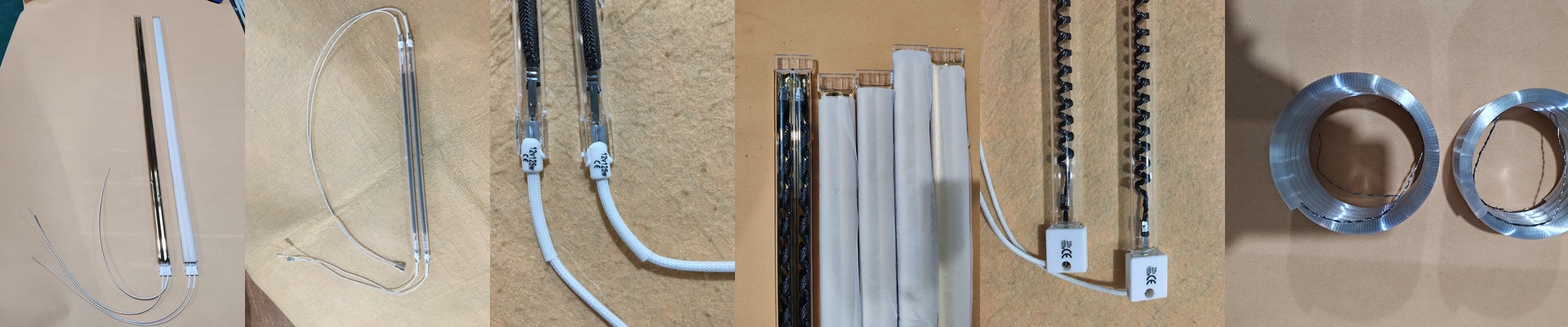
We built these carbon fiber heating tubes for machines that need serious heat—fast—without taking up a lot of room. The specs are clean and purposeful: 400V, 2500W, 300mm long, with an R7s connector. It’s all about packing a lot of heating power into a small footprint, and doing it consistently, day after day.
Power, Voltage, and Geometry—Why It Works
We chose 400V because it delivers 2500W while keeping the current lower. That means you don’t have to fight with oversized wiring or stressed connections inside the machine. And the 300mm length? It concentrates that wattage into a tight active zone, so you get intense, localized heat exactly where you need it. Here’s the thing: that kind of power density is awesome, but it’s not hands-off. A 2500W tube gets hot—fast—so your machine’s cooling and airflow have to be up to the task. Plan your thermal path from the start, or you’ll end up chasing temperature drift when you’re trying to keep production moving.
What’s Inside: Halogen, Quartz, and the R7s Connection
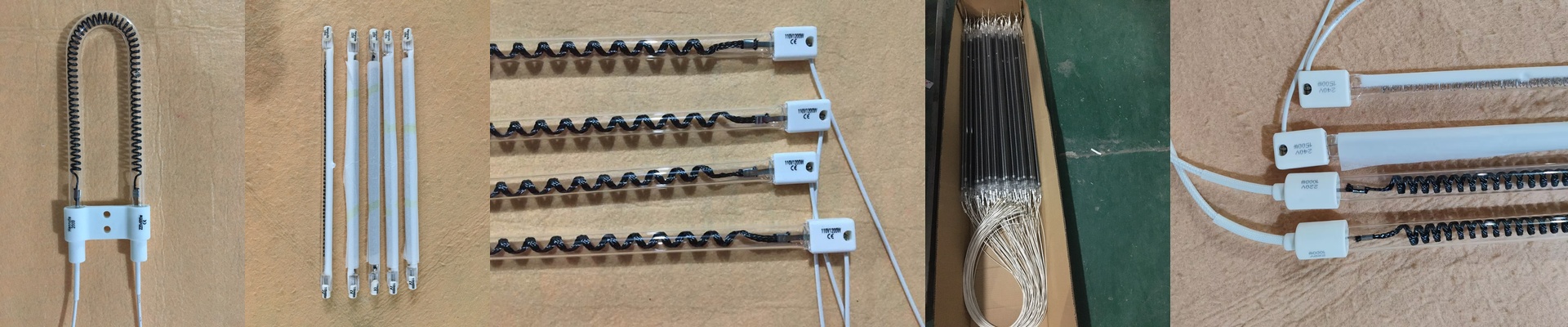
Inside, you’ve got a carbon fiber halogen element running in a quartz envelope. The halogen cycle helps keep the output steady over time, so you’re not constantly recalibrating. And the quartz handles the heat and gives you the rigidity you need to mount it securely. The R7s connector is a big part of why these tubes feel so practical. It’s a standard bi-pin setup that makes the tube a true drop-in replacement. You wire it the same way every time, and the contact geometry handles the current without putting fragile solder joints in the hottest part of the system.
Where It Shines: Tight Spaces, Fast Warm-Up, Easy Swaps
These tubes are made for applications that demand quick heat-up and stable temperature control—especially when space is tight. That 2500W packed into a 300mm footprint gives you the responsiveness you need for cyclic heating tasks. And when it’s time to replace a tube, the R7s interface keeps maintenance simple. Swap the unit, get the machine back online, and keep going. One practical note: that high heat density is powerful, but it needs thoughtful shielding and thermal management to protect nearby sensors and materials. Spec the lamp correctly, manage the heat, and you’ll get repeatable performance without making the whole system overcomplicated.