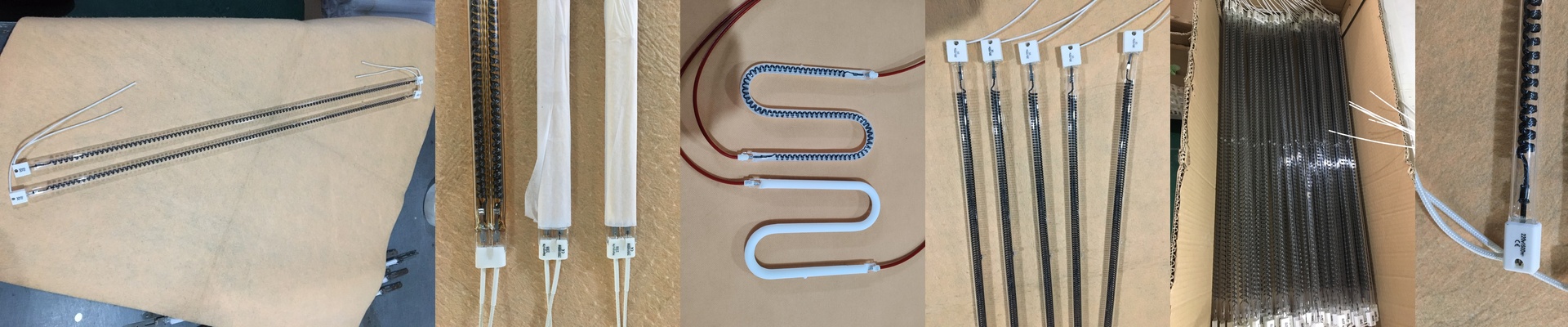
Carbon Fiber Infrared Heating Lamps: Specs, Physics, and Industrial Application
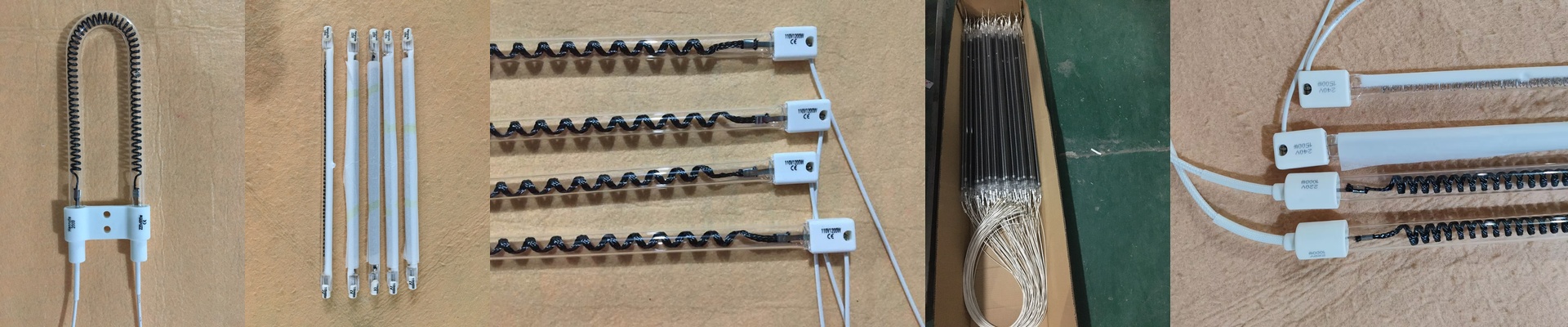
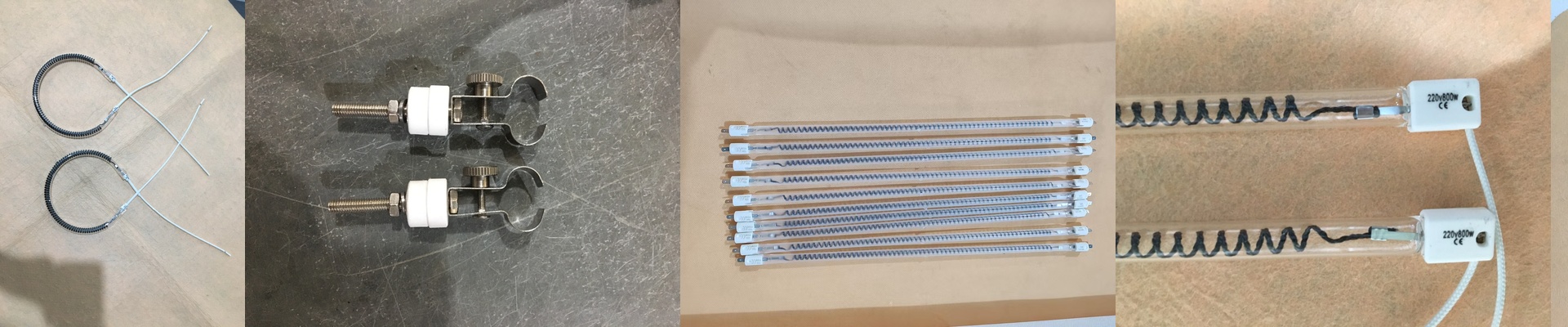
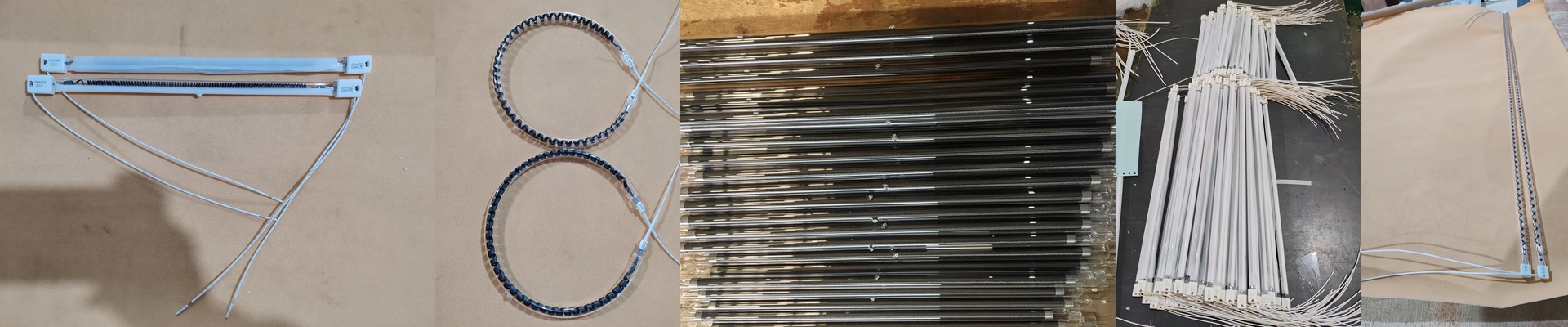
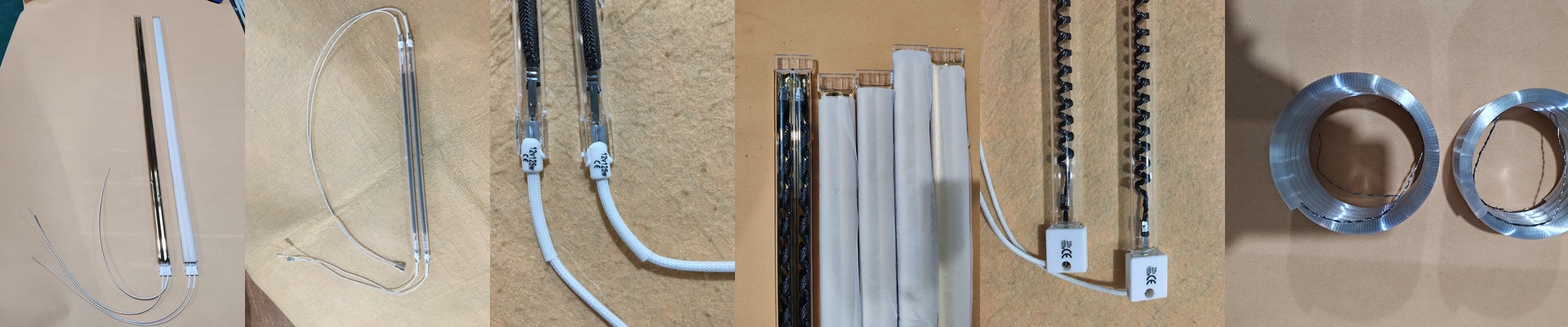
We built this carbon fiber infrared heating lamp for engineers who need heat—fast—without taking up a ton of space. It’s not a “nice and warm” kind of heater. It’s a direct, hard-working heat source for industrial jobs where timing and power density matter. Inside, you’ve got a carbon filament sitting in a quartz envelope, engineered to blast out high-intensity shortwave infrared. Think of it as focused energy, aimed right where your process needs it.
Power, Voltage, and Size—Plain Talk
We set this lamp up to play nice with industrial control systems. You can run it on 220–240V or 400V, and outputs typically go up to 2500W. The length is commonly around 300mm, which keeps the heating zone tight and predictable. That’s the point: concentrate the heat exactly where you want it. High wattage packed into a short tube means serious heat flux. So plan for airflow and thermal management in the enclosure. The heat is intense, and the surrounding components need to be ready for it.
What’s Inside—Filament, Coating, and Connections
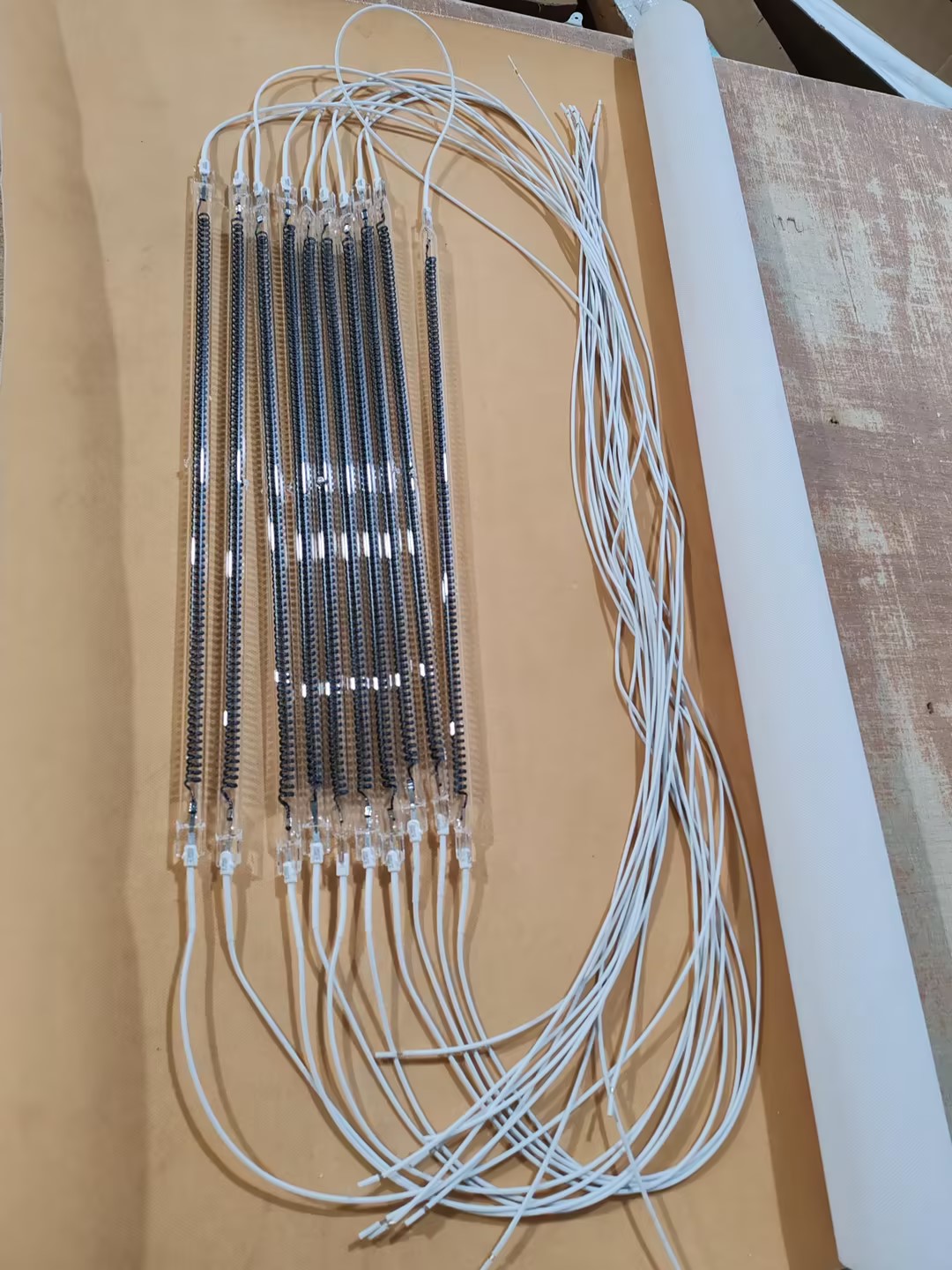
The carbon filament heats up quickly and delivers a broad shortwave infrared output that couples efficiently into many materials. We also put a reflective coating on the quartz to push more energy forward. Less wasted backward radiation means better consistency from one run to the next. For installation, it uses the standard R7s double-ended connector. It’s easy to wire, holds up under vibration, and makes replacement quick. In practice, that means it’s a straightforward drop-in upgrade for existing fixtures.
Where It Shines—And What to Keep in Mind
Over in Korea—and across industrial lines—this lamp is a go-to for fast drying, curing, and heating plastics and composites. The carbon fiber infrared output climbs temperature fast, which can help shorten cycle times. The compact 300mm form makes integration simpler, and the R7s interface keeps maintenance quick. Just remember: that high heat density is powerful, but it needs respect. Proper cooling and thermal insulation around the lamp zone protect nearby parts and help you keep control steady.