Technical Deep-Dive: 220V Power and System Integration
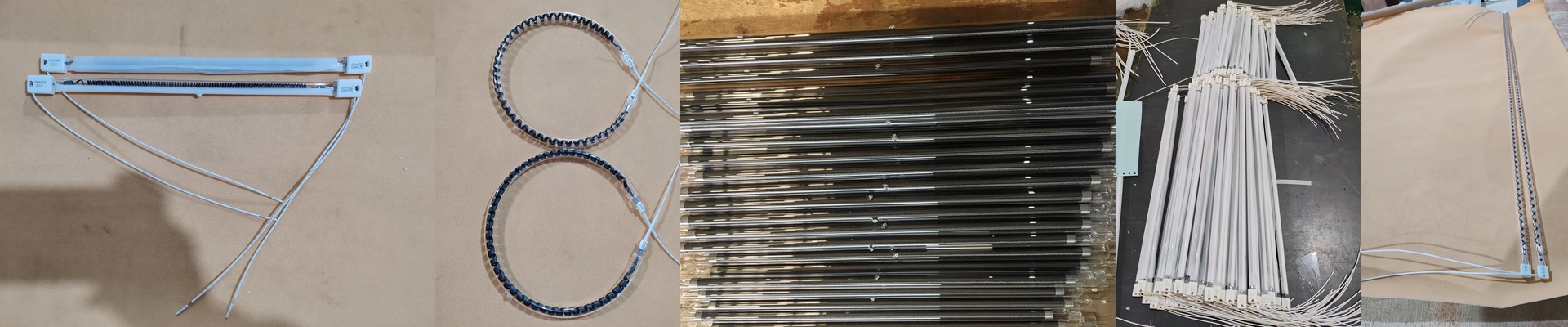
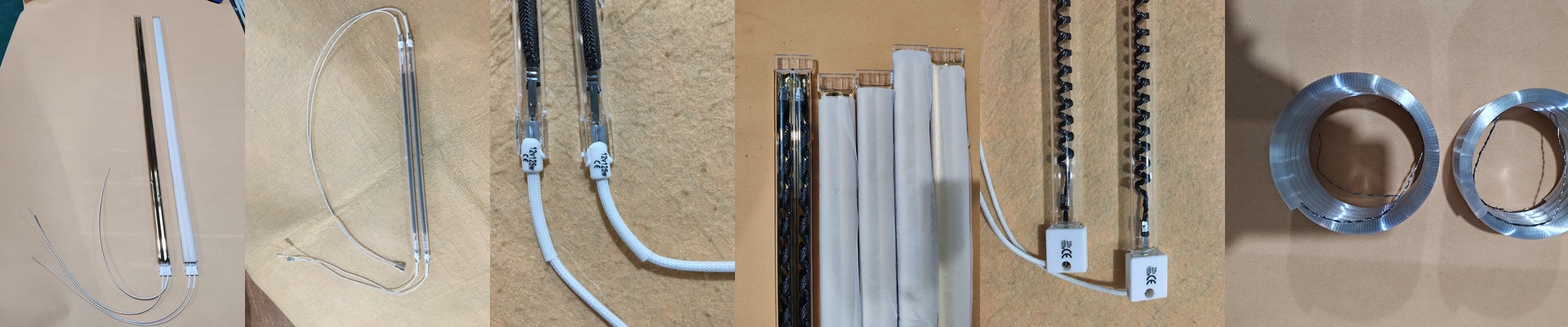
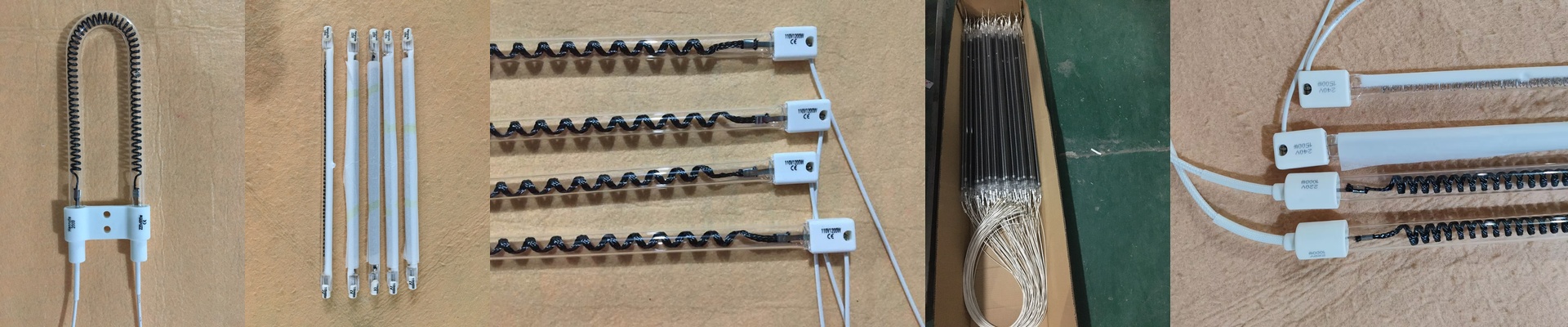
We chose 220V for our carbon fiber infrared heating lamp for one simple reason: it just works with standard industrial power. No step-up transformers needed. Just straight, clean wiring. And because the carbon fiber element itself draws low current, the whole supply side gets easier. You end up with thinner wire, cheaper terminals, and a control panel that stays cooler. Less heat, less hassle. The lamp’s wattage and length are a matched set, tuned to the heat window you need. Shorter tubes pack the power into a tight spot. Longer ones spread it out for broader coverage. When you pick the length, you’re really choosing your heat profile.
Material and Design: Carbon Fiber, Quartz, and R7s
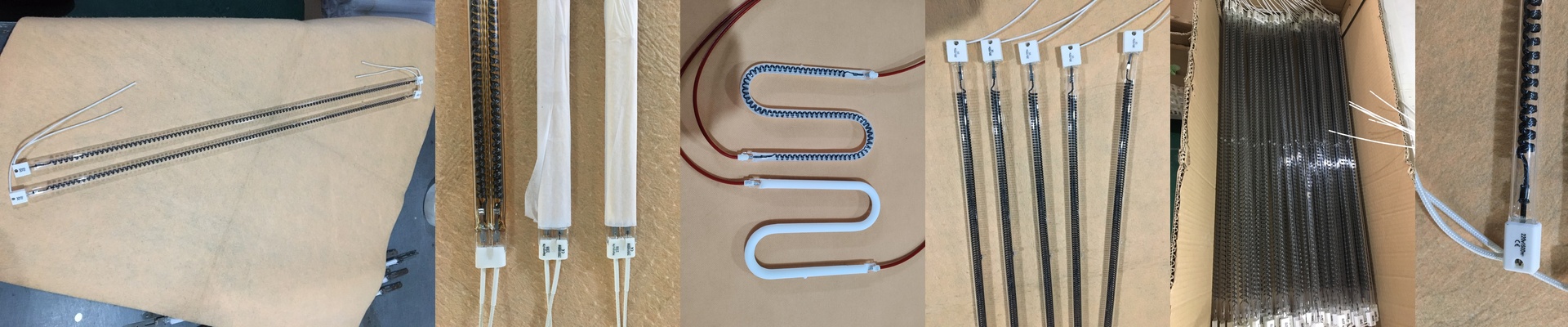
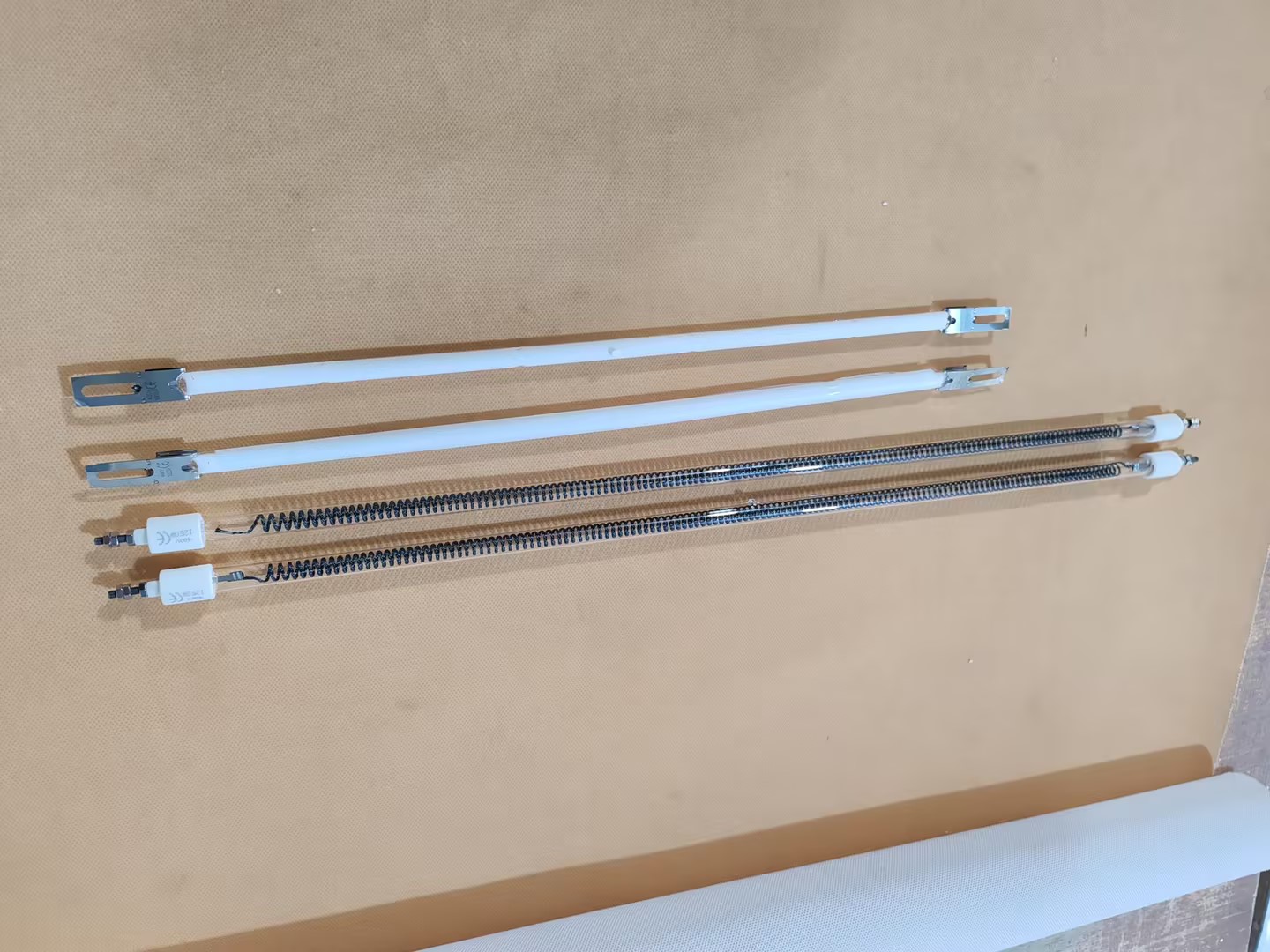
Inside, the carbon fiber heating element sits snug in a quartz envelope. Quartz is great at letting infrared through, and it handles rapid heating and cooling without cracking. The carbon fiber isn’t just a resistor—it’s a stable, high-temperature emitter that jumps to operating temperature quickly. We use an R7s connector on this 220V lamp because it locks the tube in place and keeps everything solid, even when things vibrate. It keeps contact resistance low, which means fewer hot spots at the ends and far fewer failures where the power meets the lamp.
Application and Performance Trade-offs
This setup is built for spot heating and line work—fast, directional heat without warming the whole room. You’ll see it used for plastic welding, adhesive curing, coating drying, and thermoforming preheat. The carbon fiber element packs serious power into a small tube, so you can squeeze the heat zone into tight machine spaces. The trade-off is honest: high heat density needs smart heat management. The lamp radiates strongly, and the surrounding hardware has to live with reflected and ambient heat. If you run at full power for long stretches, give the lamp clearance and make sure the drive electronics get the cooling they need. Match the lamp to the job, then make sure the machine’s thermal budget can keep up.
Spec-Out Summary
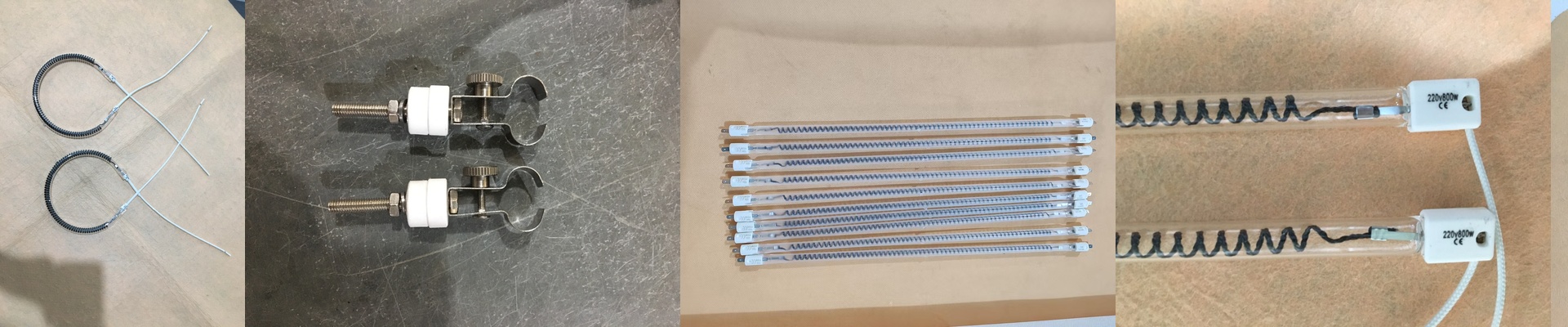
We built the 220V carbon fiber infrared heating lamp to be a drop-in, line-voltage solution for real industrial heating. Wire it to 220V, mount it with standard fixtures, and you get immediate, controllable infrared heat. Pairing carbon fiber, quartz, and the R7s connector gives you fast response, steady output, and a tough connection that can handle the rhythm of a production line.