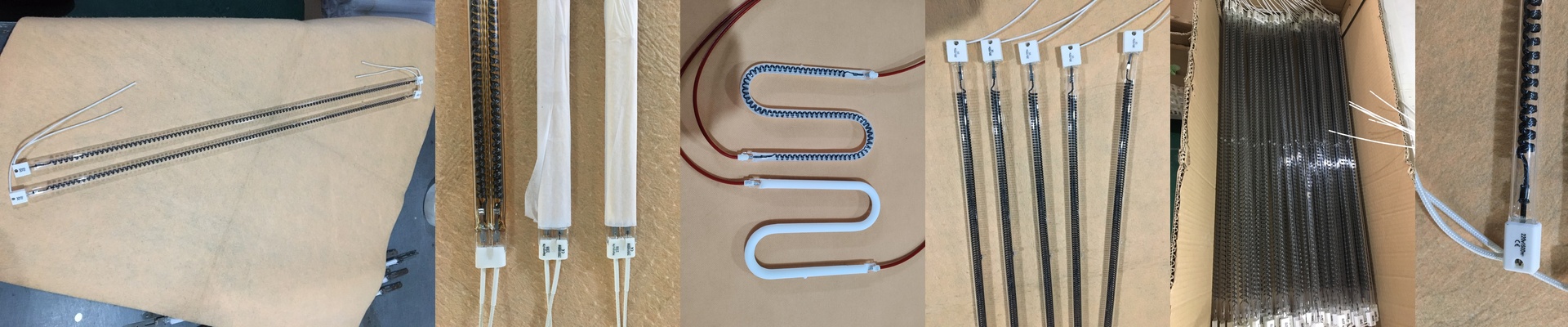
Introduction
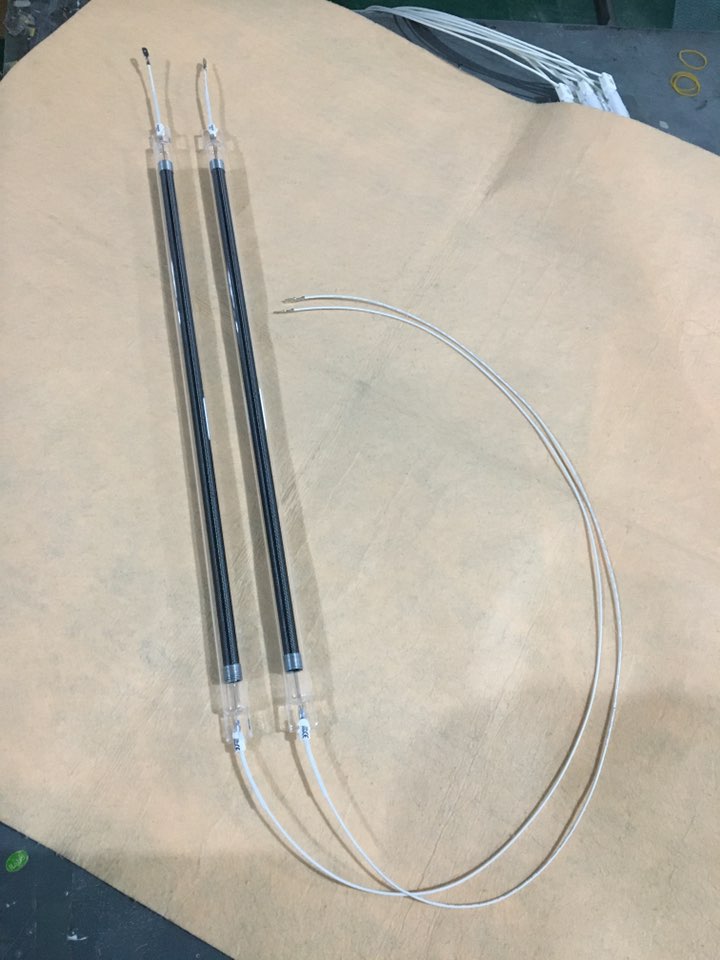
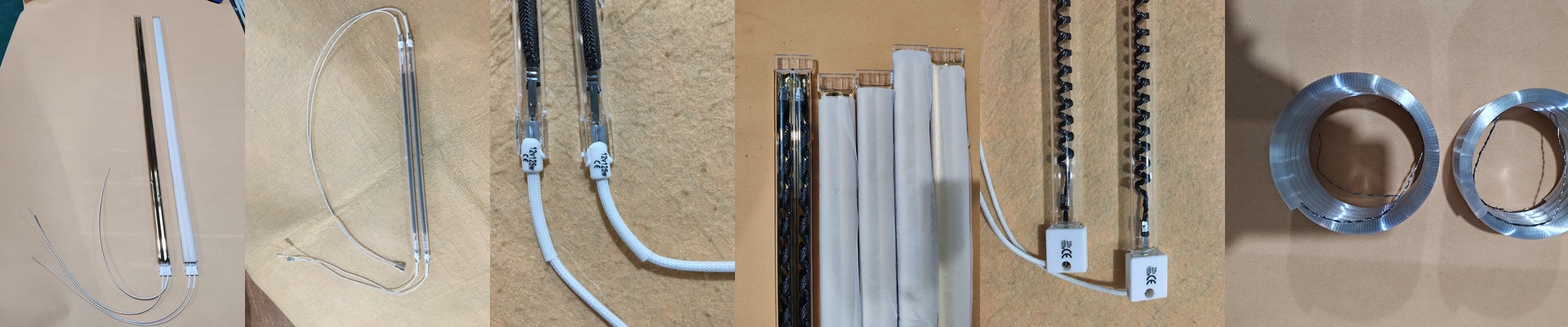
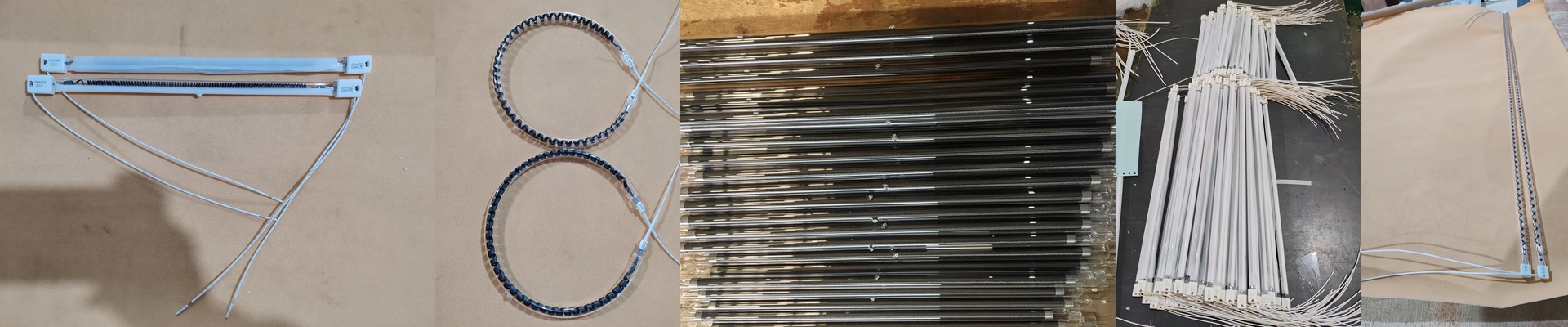
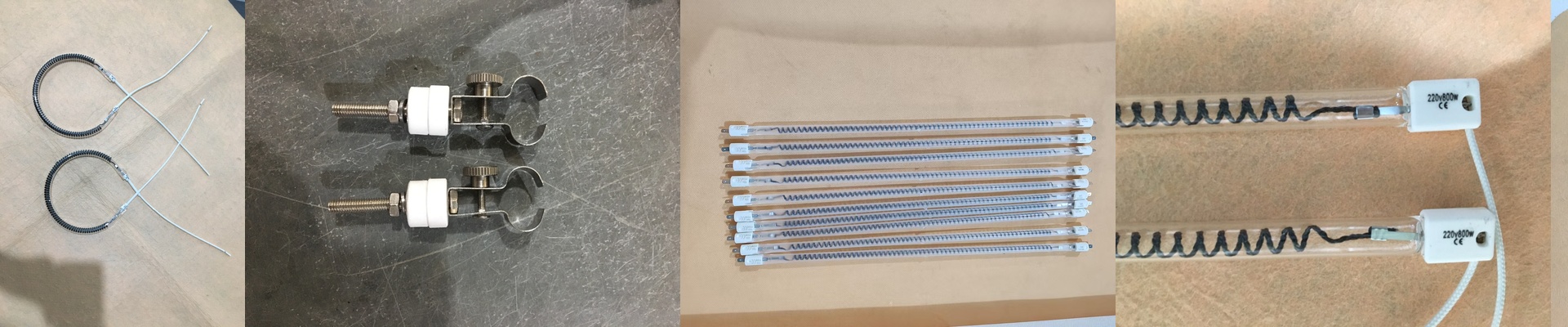
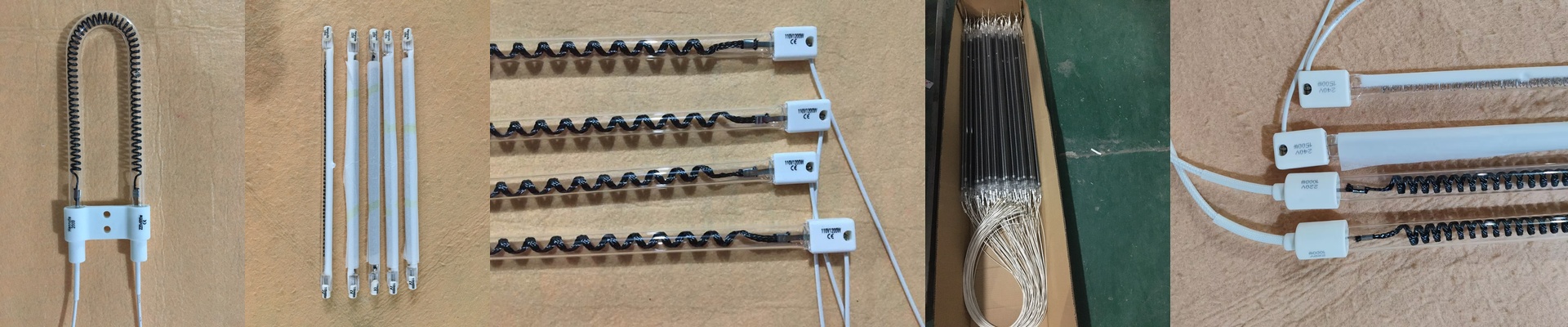
We built this 640mm, 2600W carbon fiber heat tube to be a straight swap for the infrared emitters in industrial machines—the kind that need to get hot fast and stay hot, no fuss. It’s for engineers running hard on packaging lines, plastic work, and drying setups, where watt density, reliability, and a small footprint aren’t optional. They’re essential.
Power, Voltage, and Size—Why It Matters
The 640mm length and 2600W rating aren’t random. They give you a predictable heat pattern across a specific zone. High power density packs a lot of energy into a tight space, so the element hits operating temperature in seconds. That means less idle time on your machine. Voltage is matched to the heater’s resistance so the control system can hold a steady temperature without pushing the circuit too hard. This setup is perfect when you need serious output in a small footprint, but it does put real demands on the rest of the equipment. Your control panel needs to handle the inrush current, and the reflector or shroud needs to manage the concentrated infrared flux. If you’re running sustained 2600W, make sure your cooling and wiring are spec’d for continuous duty, not just occasional use.
Material and Design: Carbon Fiber, Quartz, and the R7s Base
Carbon fiber elements respond quickly and keep resistance behavior consistent, cycle after cycle. The tube sits inside a quartz envelope that holds everything in place and keeps the internal atmosphere stable. That build can take repeated thermal shock without cracking—the kind that shows up when heating profiles start and stop all day. The R7s connector is there for a simple reason: it’s a standard two-terminal ceramic base. That makes the heater a drop-in fit for many industrial infrared fixtures. Wire it up, line up the pins, and secure it. No custom brackets. No second-guessing.
Real-World Use: Solving Plant Headaches
Out in the plant, this tube shines when you need fast, repeatable heating with minimal maintenance. On plastic welding, sealing, and pre-heat stations, the quick ramp-up cuts cycle times. In drying and curing setups, the focused infrared energy hits the surface without turning the surrounding frame into an oven. Because the footprint is small, you can replace a bulkier heater without redesigning the machine bay. Just keep the trade-off in mind: 2600W packed into a 640mm tube creates serious heat density. Make sure your airflow and thermal shielding are properly engineered to protect nearby parts and keep ambient temps in check.