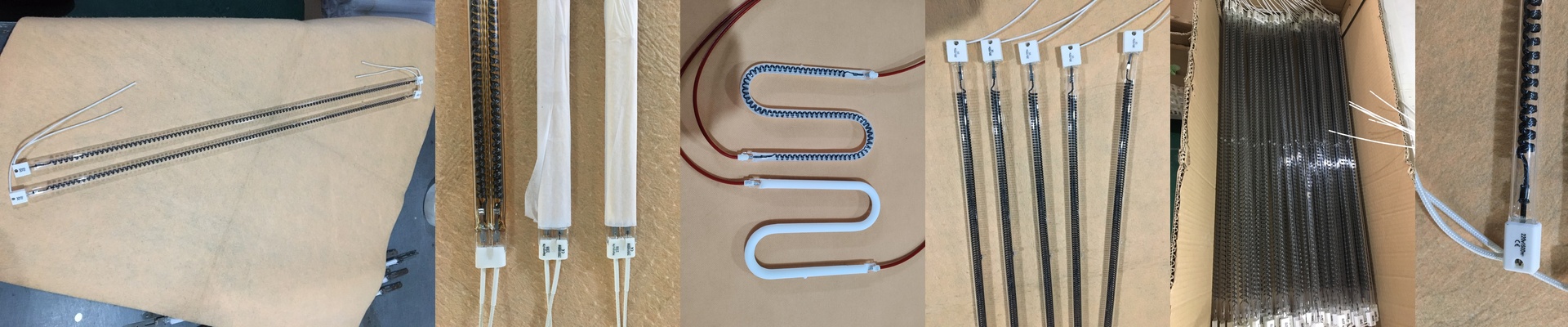

Getting Your Sulfet Rotary Printing Lamps Right
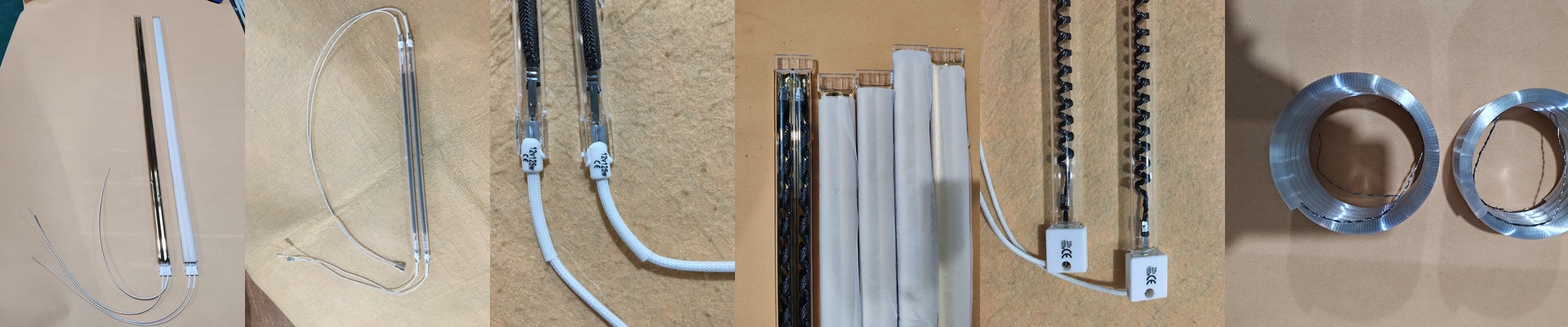
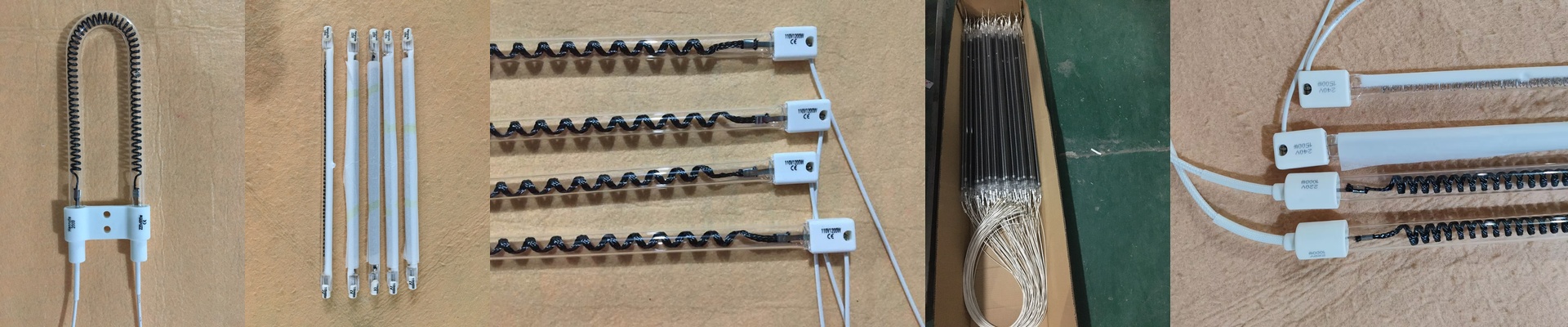
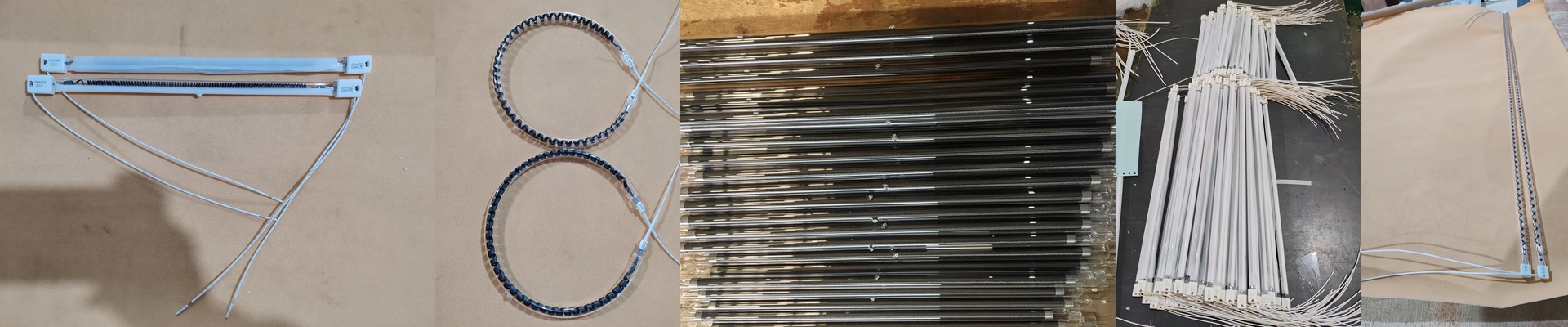
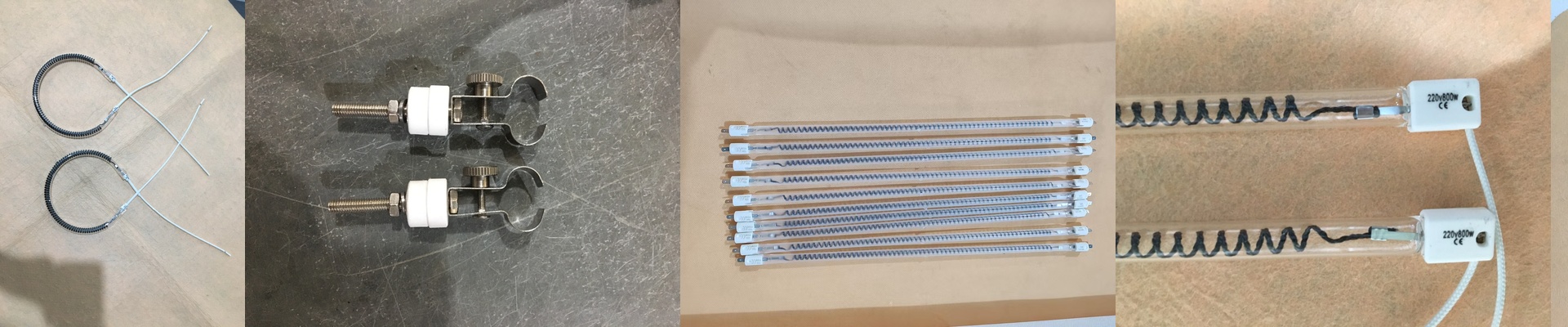
If you’ve ever run a Sulfet rotary line, you know the struggle. You need enough heat to set the ink perfectly, but one wrong move and you’ve scorched your substrate. It’s a balancing act. The problem is that when it comes to replacement lamps, “close enough” usually isn’t. A lamp that’s slightly off can leave you with patchy drying or, worse, a tube that burns out way sooner than it should. The Power Stuff We build our IR lamps to hit the exact wattage and voltage your Sulfet was designed for. Shortwave lamps are great because they cram a lot of energy into a small space, which means the heat transfers fast. But here’s the thing: you’ve got to double-check your voltage. Whether you’re on a standard 230V or a heavy-duty 400V setup, getting this wrong is a disaster. You’ll either end up with wet ink or a blown filament the second you flip the switch. Glass, Gas, and Heat We use high-purity quartz because it can handle the shock of being turned on and off constantly. Most of these have halogen gas inside to keep the tungsten filament from quitting on you too early. If you want to be more efficient, we can do coated options. Gold or aluminum coatings push the heat back toward the material instead of letting it leak away. It just makes more sense. And let’s talk about the connectors. That’s usually where things go south. We use standard R7s or specialized SK-type bases so the lamp actually seats firmly in the socket. A loose connection creates a hotspot, and before you know it, you’re melting your wiring. Not a fun day at the office. Real-World Advice These lamps put out an intense amount of heat. If you decide to bump up the wattage to speed up your production, make sure your exhaust system can actually keep up. If the cooling isn’t there to handle the extra output, you’ll risk warping your reflector housings. We keep these as direct-fit parts so you can swap them out quickly and get your line moving again without a headache.