Getting the Heat Right: The Secret Behind Ryobi Industrial Printers
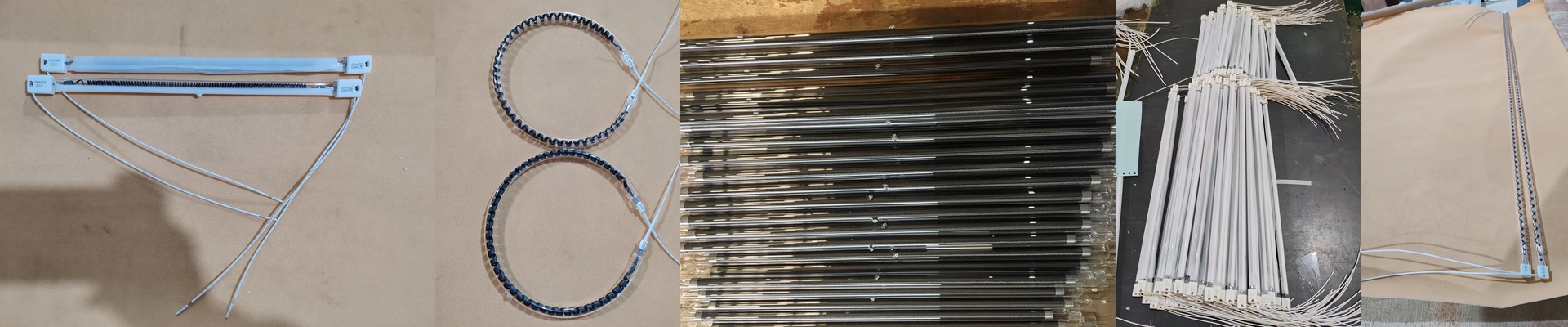
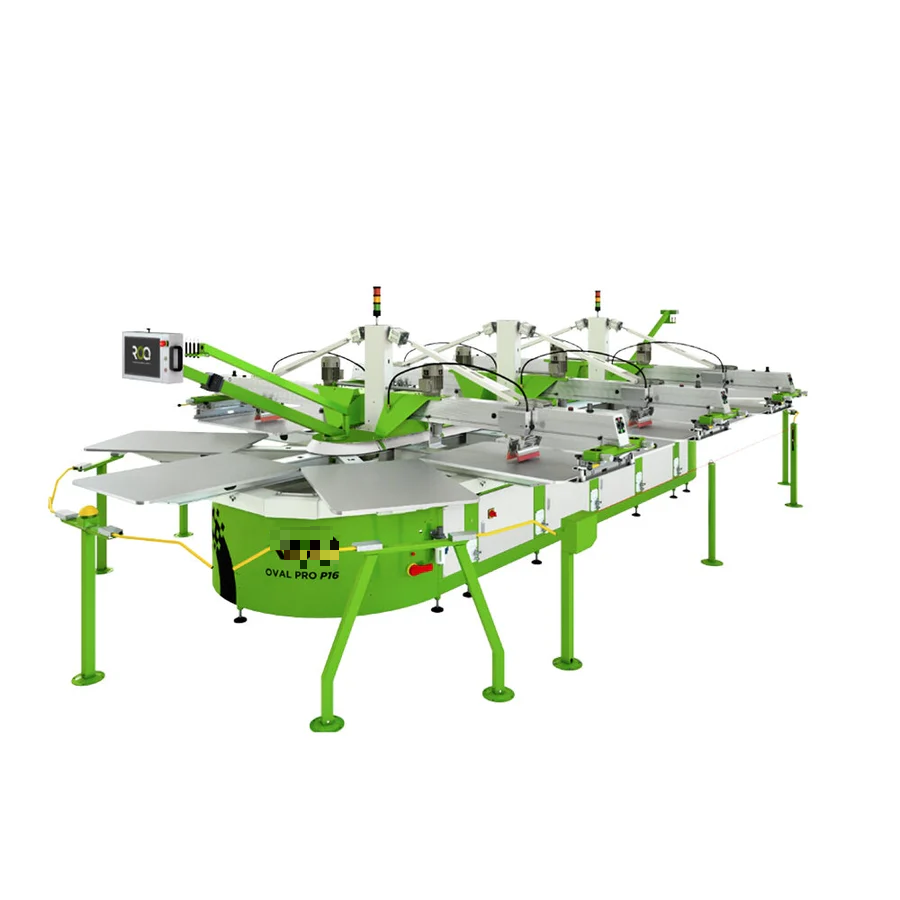
If you’ve ever worked with a Ryobi printer, you know the struggle. You need the ink to cure and the substrate to dry instantly, but you can’t just blast it with heat or you’ll warp the whole piece of media. It’s a delicate balance. That’s where we come in. We make the infrared (IR) heating bulbs that do the heavy lifting. A lot of the big-name printer brands actually have us build their lamps because, frankly, the margins for error are tiny.
The Trick to High-Density Heat
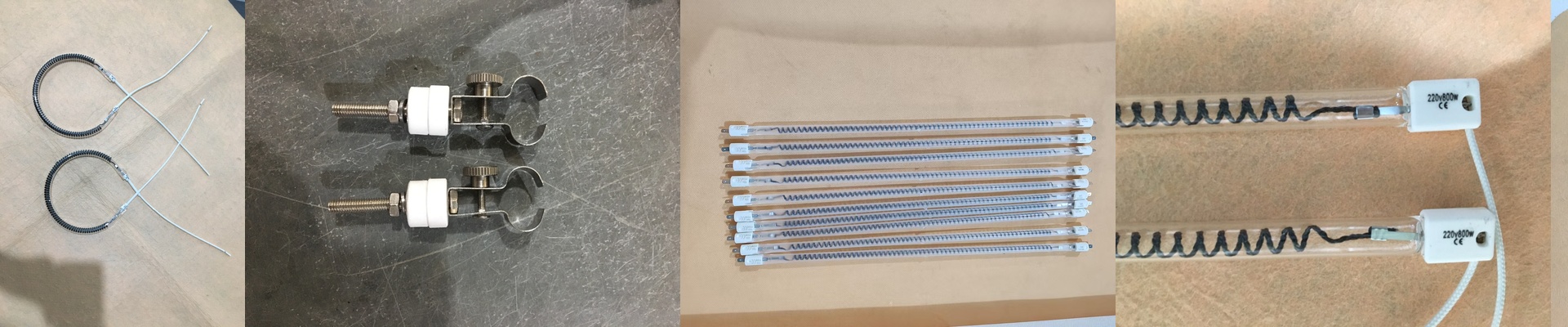
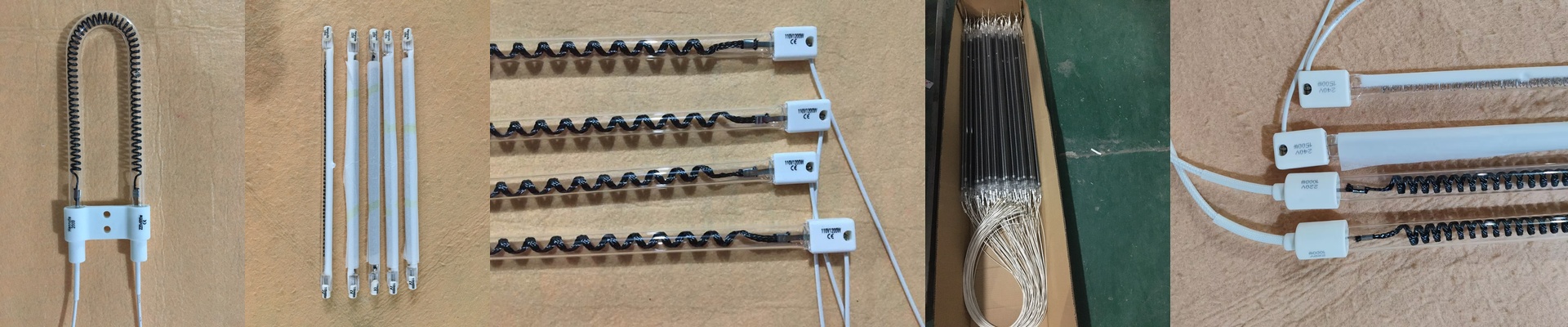
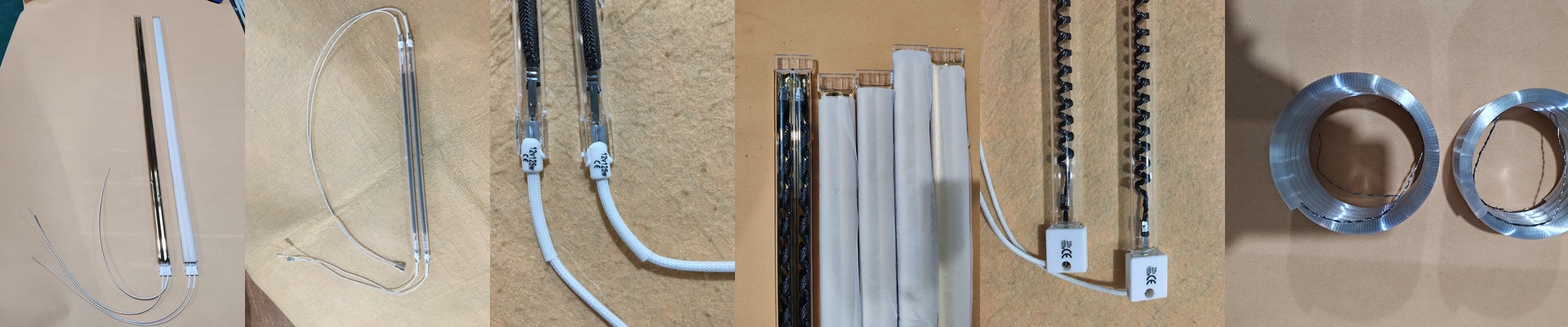
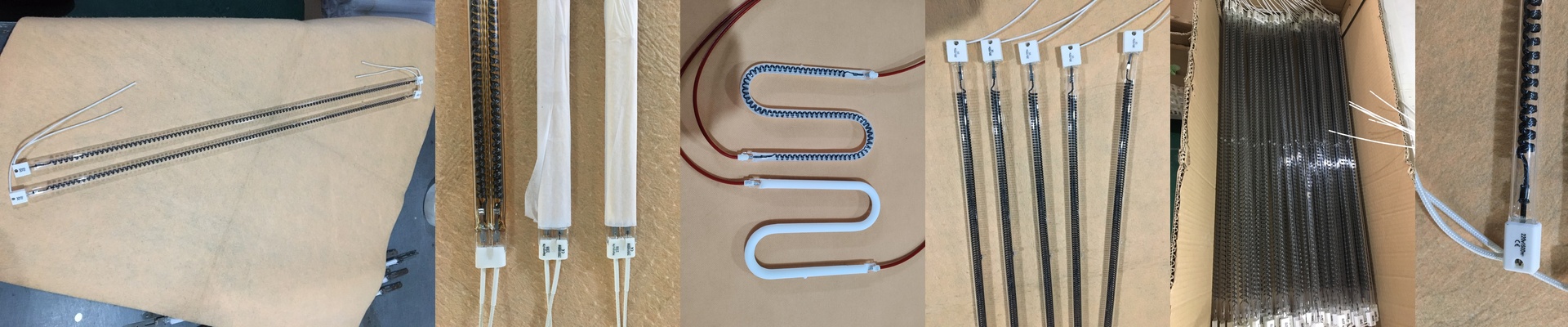
We build these lamps for shortwave infrared emission. In plain English? We use high-purity quartz and a very specific tungsten filament to squeeze the energy into a tight band. This lets the heat punch right through the ink layer. If the wattage is too low, you get smears. If it’s too high, you’re basically scorching your paper. And the fit has to be perfect. If a bulb is off by even 2mm, it sits crooked in the reflector. That creates a “hot spot” that eats through the filament way faster than it should.It has to be a perfect drop-in fit, every single time.
Keeping Things Running
To stop the filaments from snapping, we fill the bulbs with halogen gas. It creates a little cycle that puts evaporated tungsten back onto the wire. It keeps the bulb from thinning out, which means it lasts longer in your machine. We also don’t mess around with the terminals. We use standard industrial connectors because a loose fit is a nightmare. You get arcing, you get melted sockets, and then you’ve got a real problem on your hands.
A Few Things to Keep in Mind
Now, high-wattage IR lamps pack a punch. They cure ink fast, but they pull a lot of power. You’ll want to make sure your wiring and cooling fans can actually handle that kind of heat buildup. If the airflow gets blocked, that quartz envelope can overheat and crack. We build these bulbs to survive the chaos of a factory floor, but they still need a clean, steady mount to actually hit their rated lifespan.Treat them right, and they’ll do the work.