Getting Your 3D Printer Nozzle Temperature Just Right
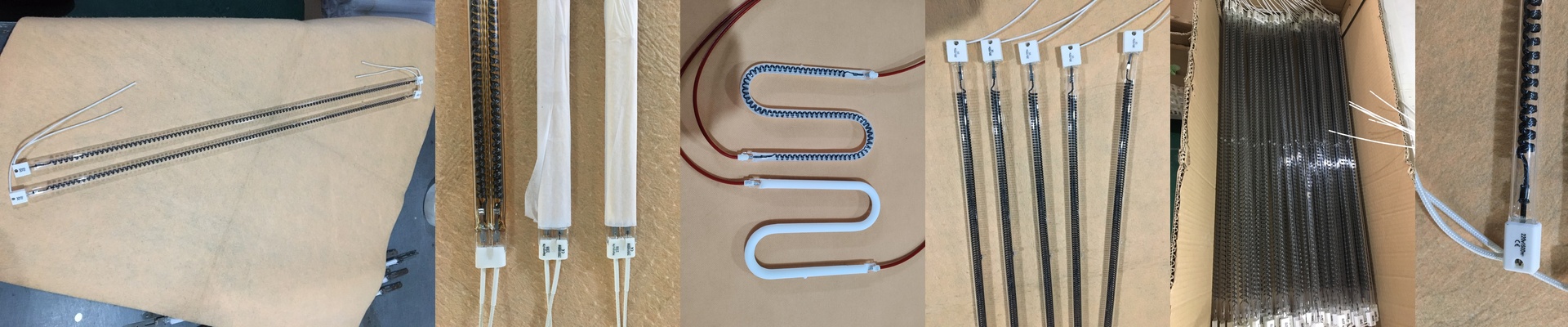
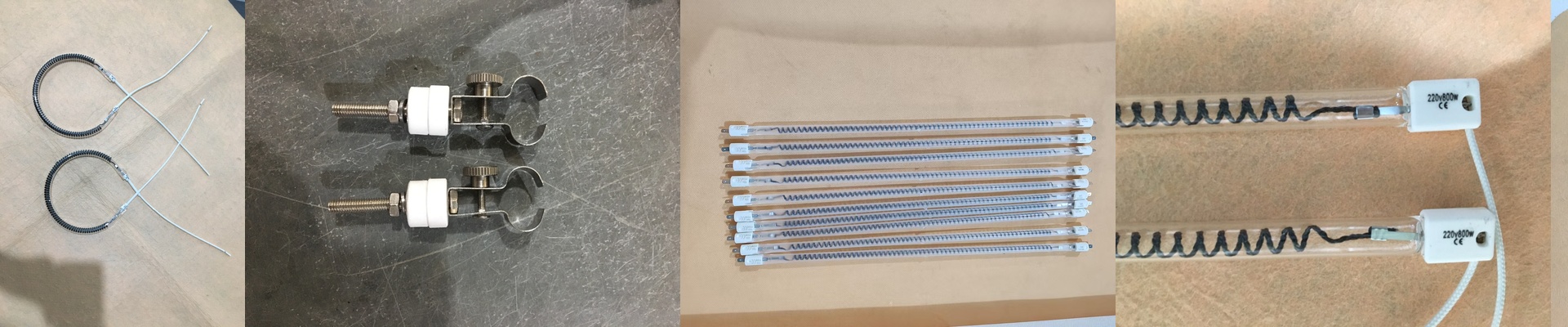
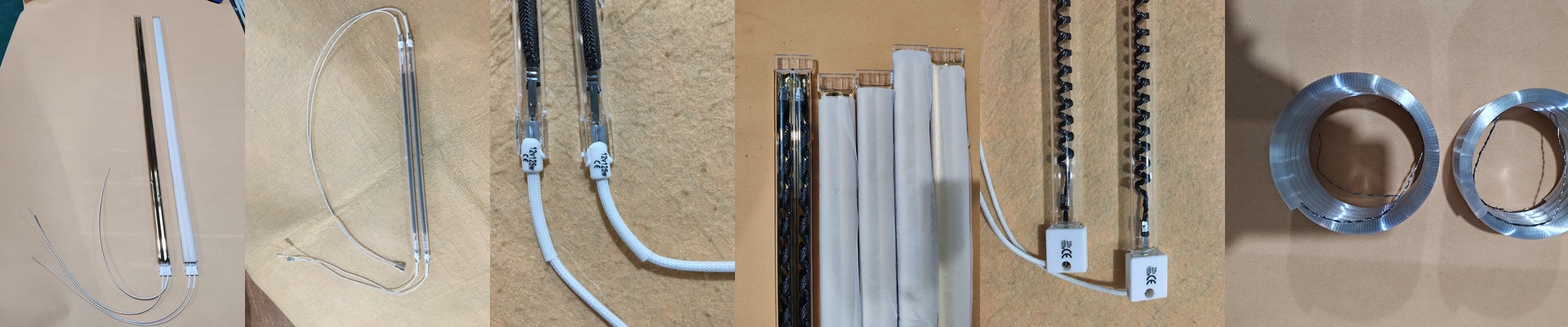
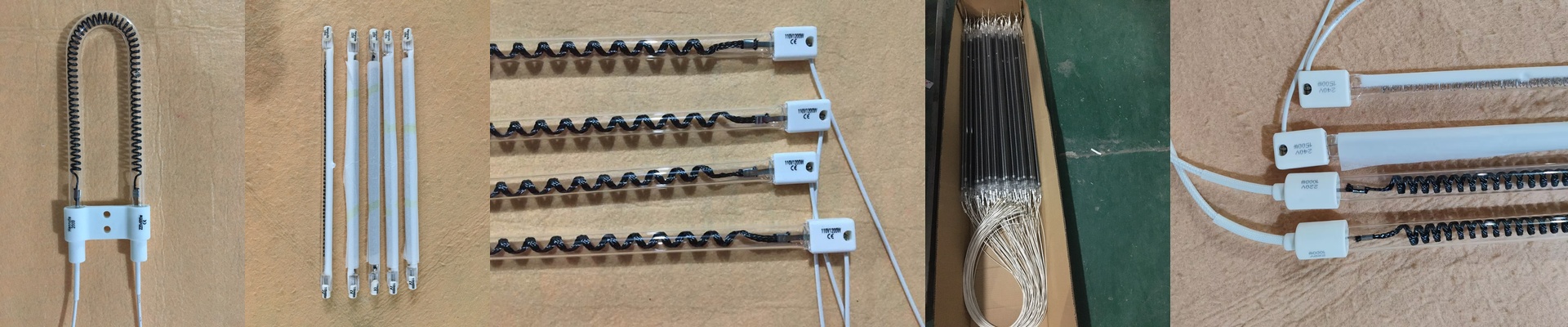
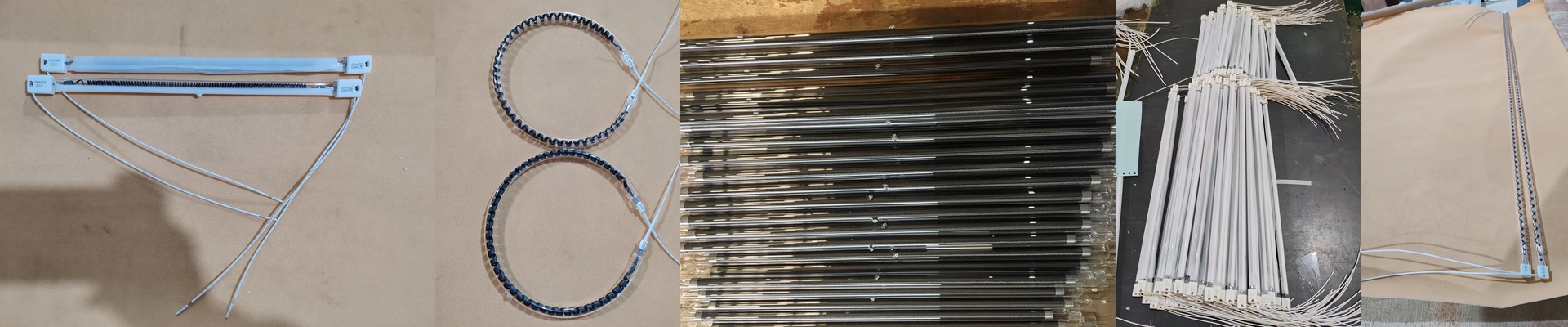
If you’ve ever dealt with a cold-start or a temperature dip during a high-speed print, you know it’s a nightmare. A simple heating element usually isn’t enough. You need energy that actually hits the mark. That’s why we build infrared warming lamps specifically for 3D printer nozzles. It’s all about keeping things steady so your extrusion stays smooth, no matter how fast you’re pushing the machine. The secret is in the heat density. We don’t just guess the wattage. We calculate the exact ratio of power to the length of the tube. By packing more wattage into a shorter quartz tube, the lamp hits its operating temperature in seconds. Not minutes. Seconds. And because we use high-purity quartz glass, the heat gets exactly where it needs to go without the tube cracking when things heat up fast. Why “off-the-shelf” lamps usually suck. Most cheap lamps fail because the connectors just can’t handle the current. They burn out or wiggle loose. We use R7s or SK15 bases because they fit tight. No gaps, no arcing, no surprises. Plus, we often add special coatings to the quartz. This shifts the emission spectrum, which is a fancy way of saying more heat hits the nozzle and less of it wastes away into the rest of your printer’s frame. A few tips for setting them up. These are basically drop-in replacements for most industrial rigs. They give you a rock-solid thermal footprint. But a heads-up: these high-wattage tubes put out a lot of ambient heat. If you’re stuffing one into a tiny, cramped enclosure, make sure your cooling fans can keep up. Otherwise, you might find some of your nearby plastic parts starting to warp. The real story behind the hardware. Here is the thing: we’re the ones actually machining these specs. We supply the global brands you already know. We don’t just read a datasheet and hope for the best. We control everything from the grade of the raw materials to the vacuum sealing process. You’re getting the same performance as the “big name” lamps because, more often than not, we’re the ones making them.