Getting Your Anatol Heat Just Right
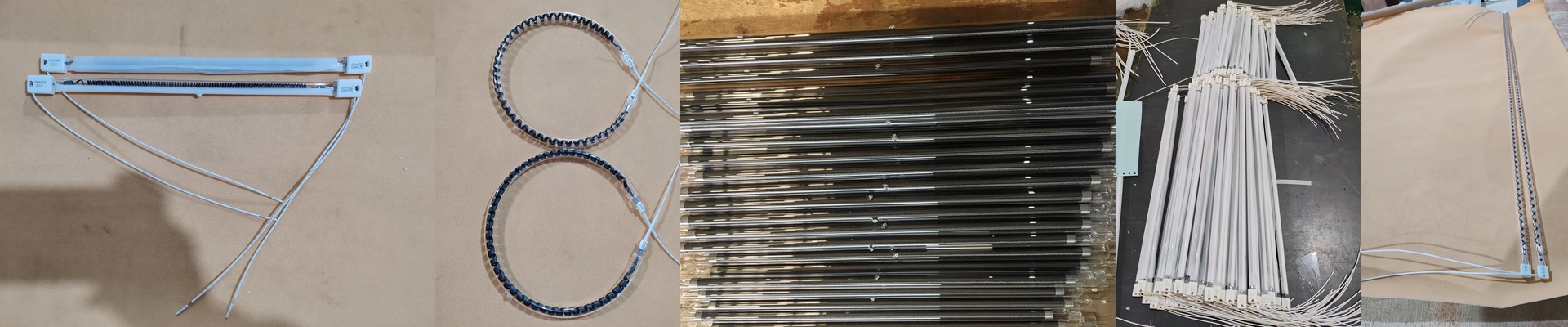
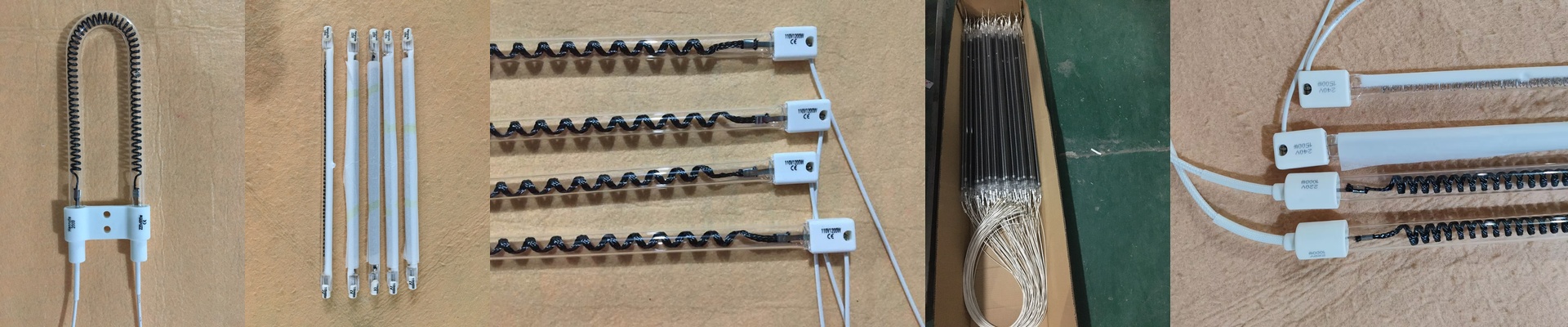
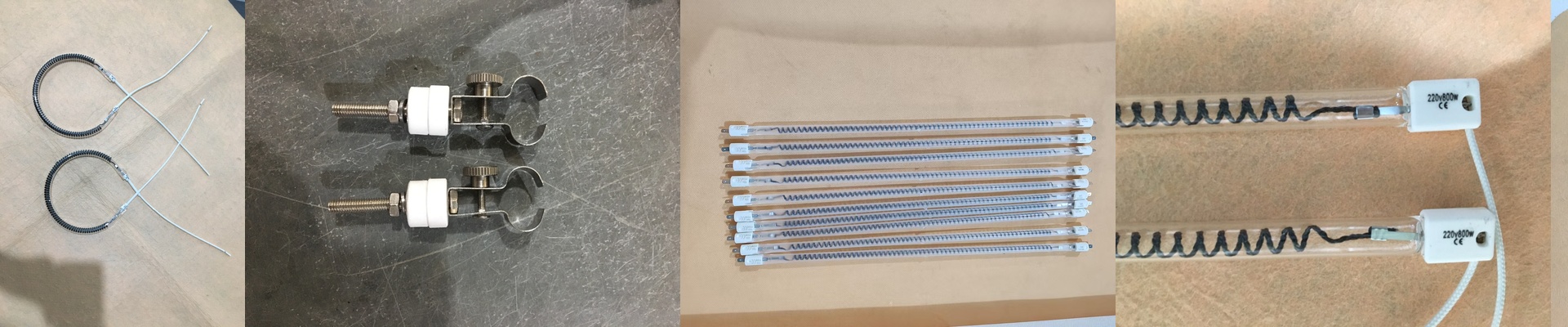
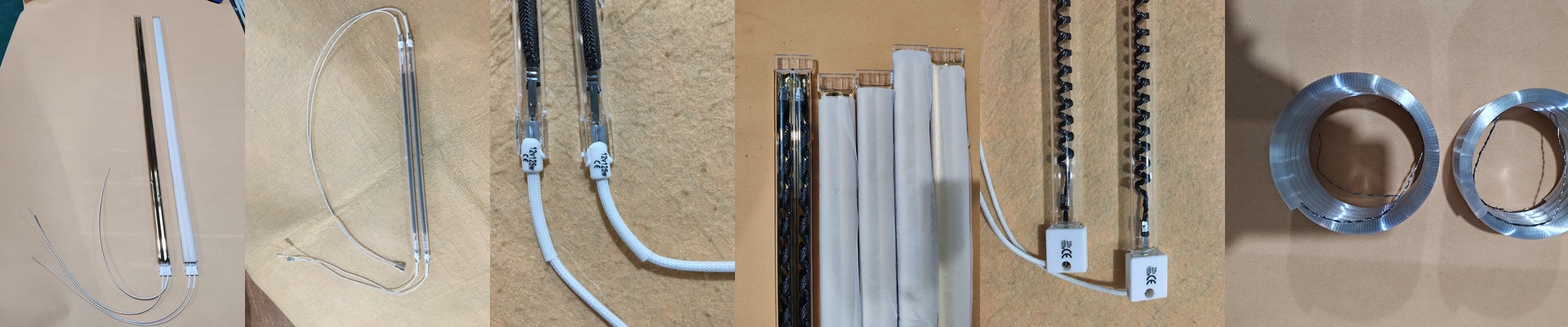
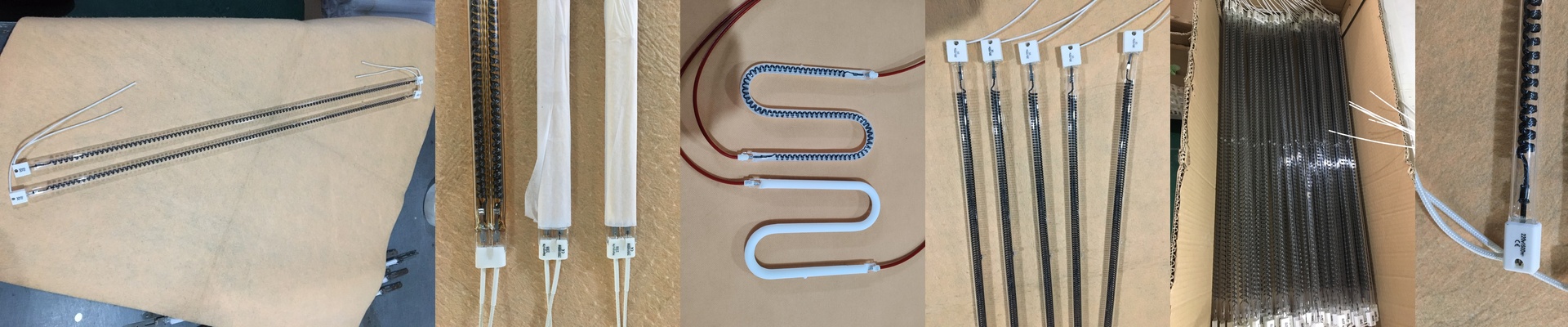
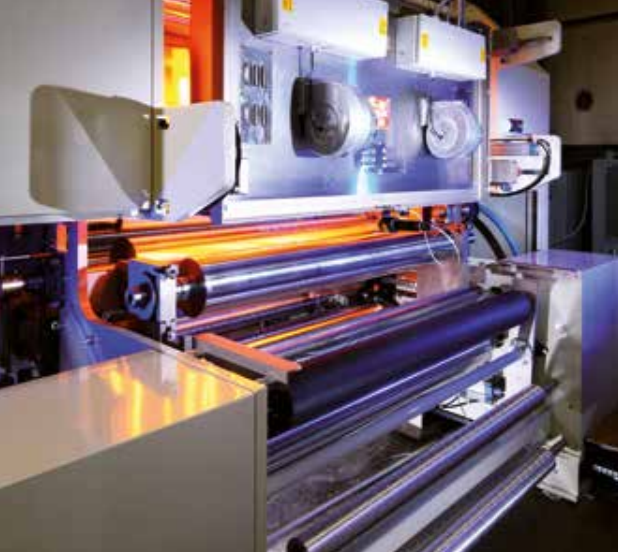
If you’re running Anatol printing systems, you know the drill. You need that flash drying to hit hard and fast to set the ink, but you can’t be so aggressive that you scorch the fabric. It’s a delicate balance. The good news? You don’t have to stick with expensive OEM lamps to get that result. You can use domestic shortwave infrared (IR) quartz tubes and get the exact same heat. As long as the wattage and wavelength fit the machine’s footprint, it works. The science part (simplified) Here’s the thing about shortwave output: it’s all about power density. These lamps don’t just warm up the air around the shirt; they dive straight into the ink layer. If you try to cut corners with a lamp that has the wrong voltage or lower wattage per centimeter, you’re going to feel it in your production speed. Your curing time crawls. Suddenly, you’re slowing down the whole line just to make sure the finish doesn’t look amateur. Nobody wants that. Fitting them in We use high-purity quartz glass because flash drying is brutal on equipment. The thermal shock is intense. To make your life easier, these are built as drop-in replacements. The dimensions and connectors match your Anatol housing exactly. You just pop them in. No rewiring, no messing with reflectors, no headaches. But a quick heads-up: high-density tubes run hot. Really hot. If you’re pushing the wattage to the limit to crank out more shirts, make sure your cooling fans are clean and actually working. If the airflow dips, you’ll burn out the lamp ends, and then you’re back to square one. The bottom line Switching to domestic IR tubes is a simple hardware swap that saves you a decent amount of money. You keep the same radiation profile and stable heat, so the ink stays put and doesn’t bleed. It’s a win-win. You get the quality you need without the OEM price tag.