Making Short Wave Quartz Lamps Actually Work With Your Press
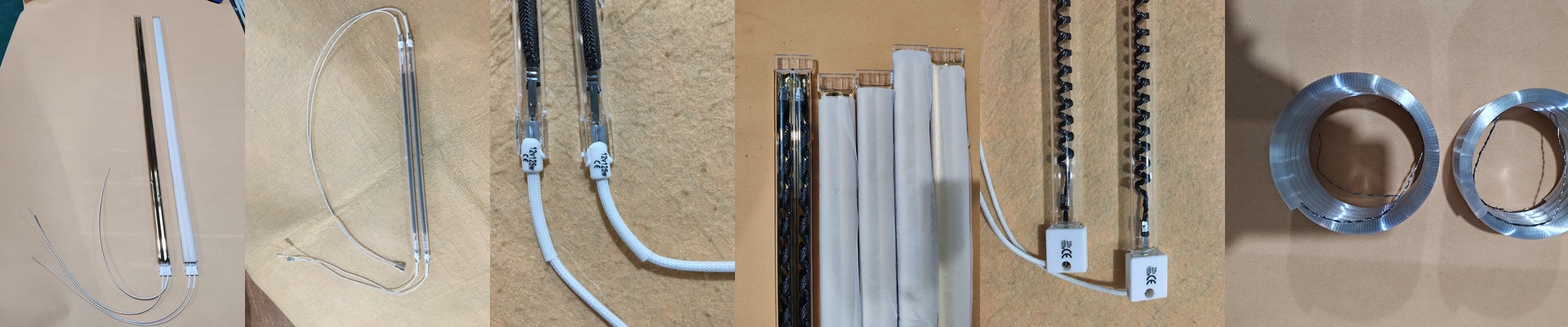
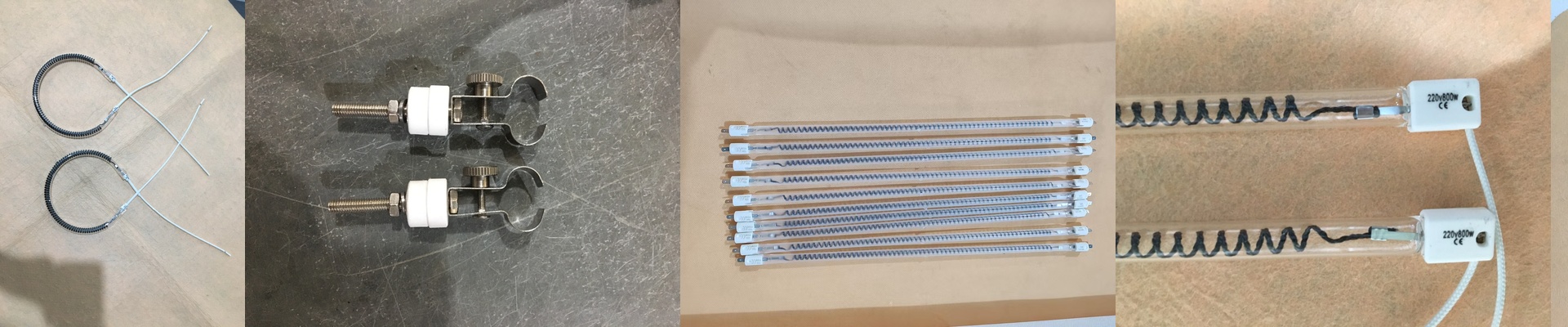
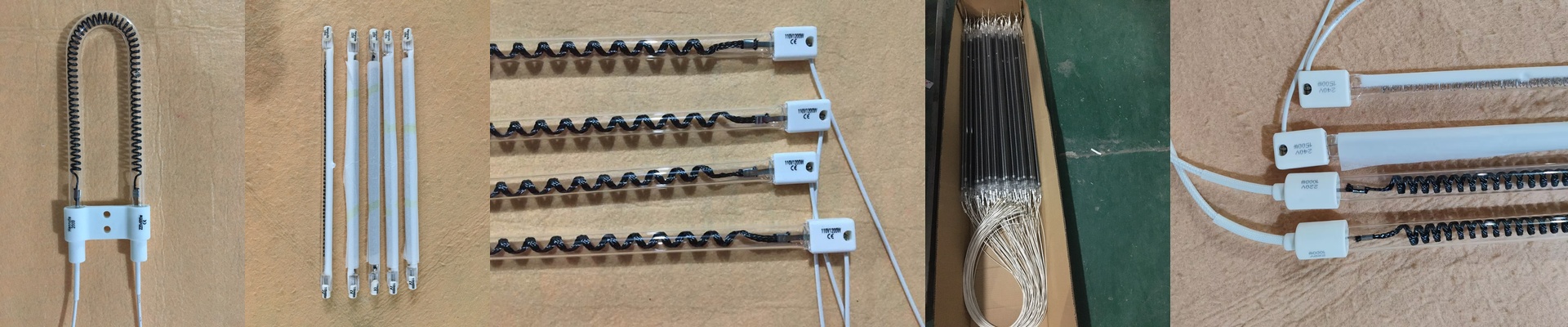
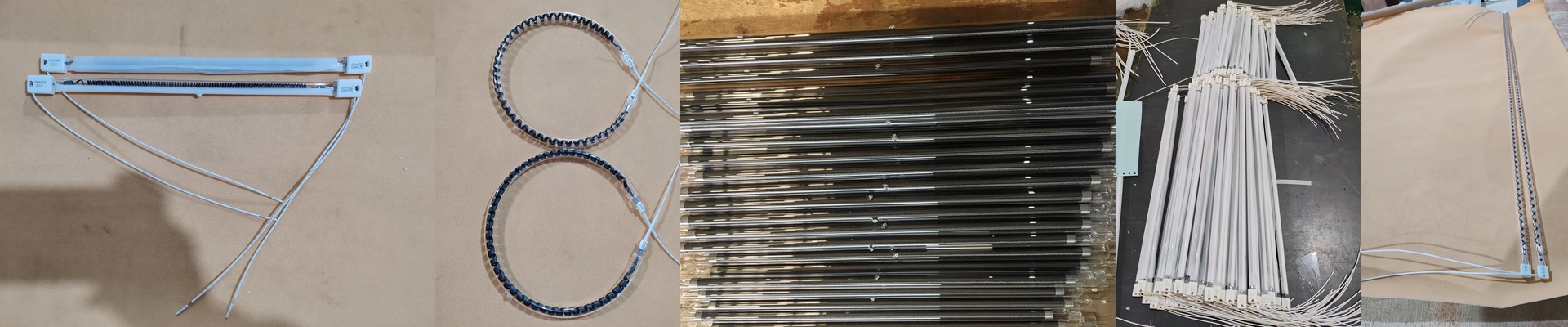
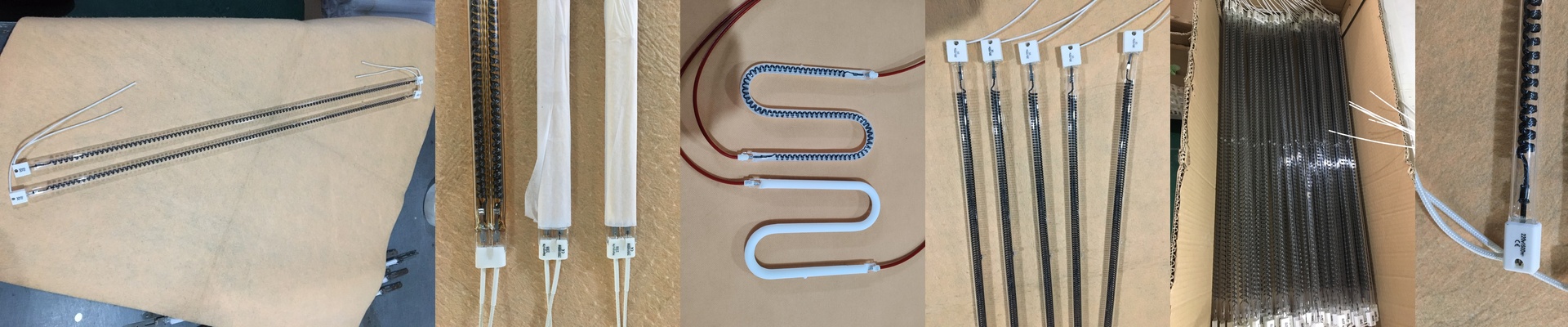
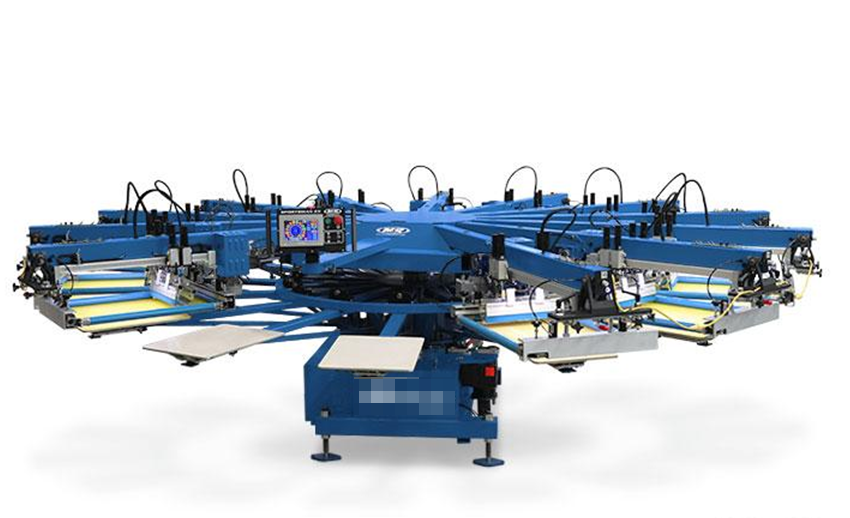
When it comes to fitting infrared lamps into the five big global printing presses, “one size fits all” is a lie. It just doesn’t work. What we actually do is nail the physical size and the electrical guts so that when you buy one of our bulbs, it just slides right in. No fuss. We stick with short wave quartz because you need that instant hit of heat to cure your inks. You want the ink dry, but you don’t want to melt your substrate. It’s a delicate balance.
The Nitty-Gritty on Power
We build these to handle the heavy lifting of high-speed presses. Short wave lamps run hotter than medium wave, pushing energy in that 0.75 to 1.4 $\mu$m sweet spot. Why does that matter? Because the heat punches deep into the ink layer, and it does it fast. If you’re running a long press but your wattage is too low, your cure times are going to lag. You’ll feel that bottleneck in your workflow. But be careful—if you cram too many watts into a short tube, you’re just asking the tungsten filament to burn out early. It’s all about the right fit.
The Gear and the Fit
We use high-purity fused quartz. It has to be tough enough to handle the shock of being turned on and off constantly. We also use a halogen cycle to keep the filament clean, which means the bulb lasts longer even when you’re pushing it hard. As for the connectors, we don’t try to reinvent the wheel. We use R7s and SK15. **It’s simple.**You won’t have to rewire your machine or mess around with the housing just to get the thing to fit.
The Real-World Stuff
Now, these lamps are built to be compatible, but they aren’t magic. A high-output short wave tube puts out an incredible amount of heat. If your cooling fans are choked with dust or your reflectors are pitted and worn, you’re going to lose efficiency. It doesn’t matter how good the lamp is if the heat isn’t going where it belongs. Keep those reflectors polished. You want the energy hitting your print, not heating up your machine frame.