Stop Settling for “Close Enough” with Your IR Lamps
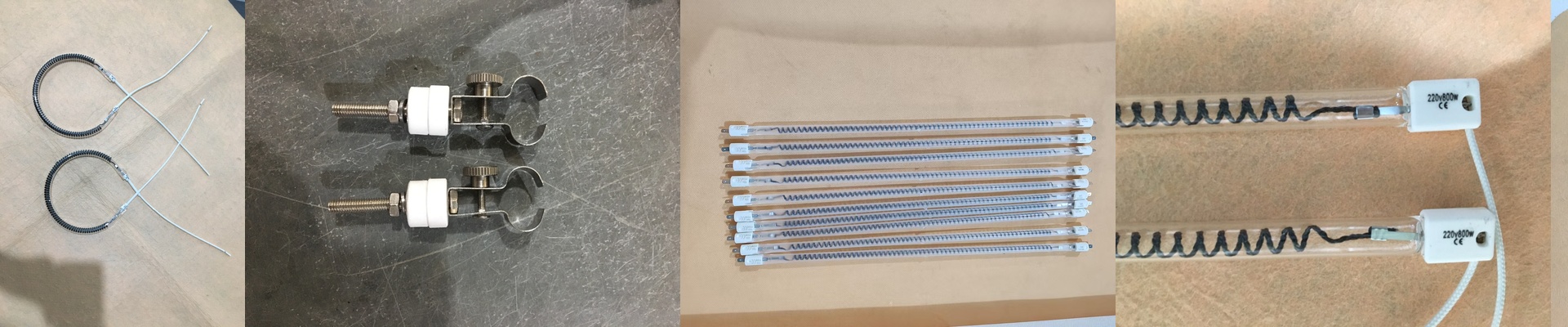
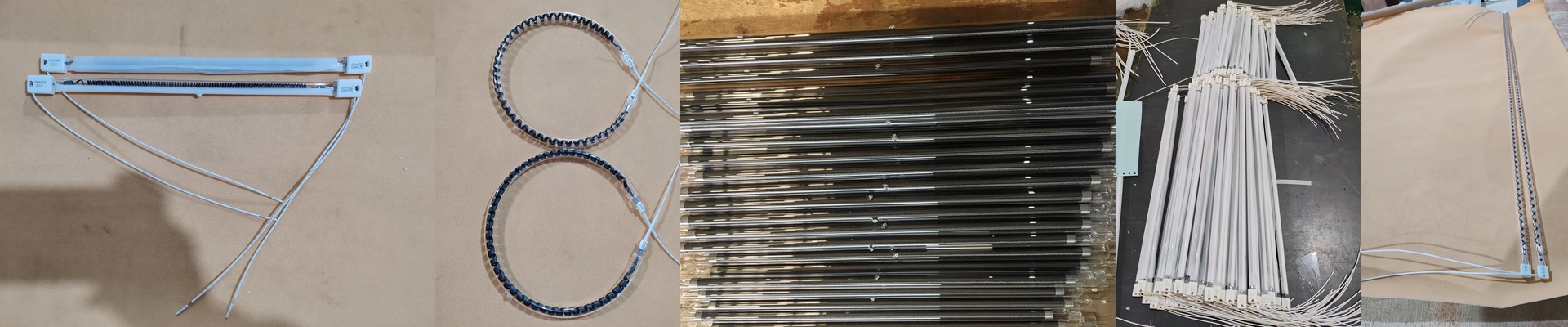
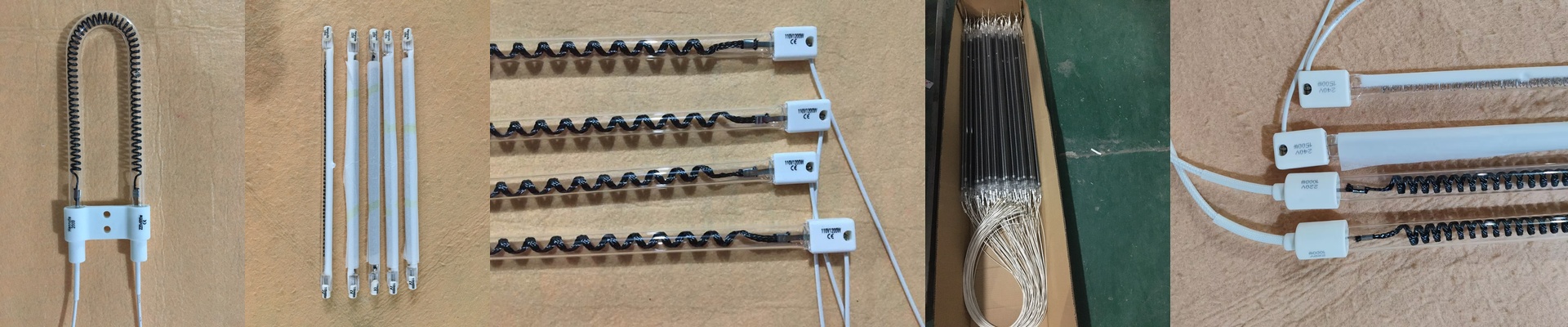
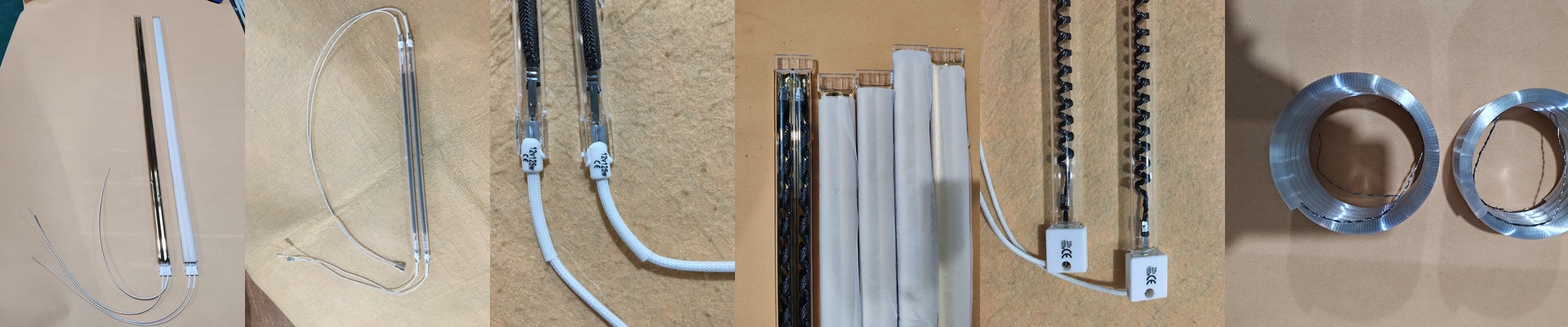
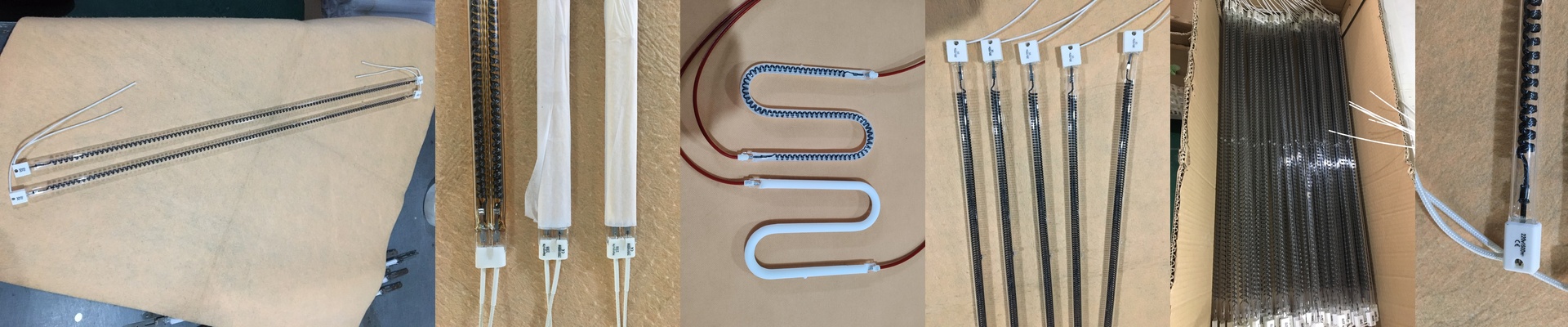
Ever notice how standard IR lamps just don’t quite fit? You drop them into a high-speed printing line and suddenly you’ve got these annoying “cold edges” where the ink just won’t cure at the margins. It’s frustrating. You’re running a professional operation, but the heater footprint doesn’t match the curing zone. That’s why we build them to your exact dimensions. We make sure the heat hits exactly where your substrate is, regardless of how wide your web is or how fast your conveyor is humming along.
The trade-off of going custom
Here’s the thing about the physics: if we shorten the tube but keep the wattage high, you get a massive jump in heat flux per square inch. It means your ramp-up times are way faster. But there’s a catch. Shoving that much power into a small space puts a lot of stress on the quartz. If you aren’t careful with your voltage regulation, you’ll burn through the lamps way too quickly. We help you find that sweet spot so you get the heat you need without the constant replacements.
Getting the materials right
We use high-purity quartz because it can take the punch of rapid heating and cooling without cracking. And since every ink is different, we can tweak the coatings to change how the heat behaves. Need to get deep into a thick coating? Go with shortwave. Just drying the surface? Medium-wave is your best bet. Plus, we know that wiring is usually where things go sideways. Nobody wants to spend a weekend fabricating new brackets. Whether you need R7s, Sk15, or just some custom solder lugs, we make sure the lamps just… fit. You plug them in and get back to work.
Real-world results on the floor
In a busy shop, uneven heat is a nightmare. It leads to bubbling, warping, and a lot of wasted material. By ditching the “off-the-shelf” approach and tailoring the lamp size, those gaps disappear. You get a smooth, uniform thermal profile across the whole web. Just one heads-up: if you’re running these high-density custom arrays, keep an eye on your cooling fans. They’re going to be working harder to move that extra ambient heat. You don’t want your electronic controllers overheating just because your curing is finally perfect.