Introduction
We build the 500W carbon heater lamp as a compact, high-intensity heat source for industrial processes that need fast response and stable output. This lamp is designed for engineers who need to fit significant heat into a small footprint—think plastic heating, component testing, and localized process heating—without the bulk of larger heating elements.
Technical Deep-Dive: Power, Voltage, and Dimensions
The core of this unit is the 500W rating. That power level is a deliberate choice for applications that require high heat density in a confined space. It delivers enough output to raise temperatures quickly, but it stays within a manageable envelope for machine integration. Voltage is selected to match the plant’s supply and the lamp’s internal resistance. A 500W carbon lamp is typically offered in standard industrial voltages (commonly 230V or 240V, with other options depending on the application). Matching voltage to the supply avoids underperformance or excessive current draw. Physical dimensions matter on the shop floor. The lamp’s overall length and the heated zone length are engineered so the heat pattern lands where you need it. A compact envelope makes it easier to retrofit existing equipment. It also simplifies shielding and fixturing, so you can control heat spill and protect nearby components.
Material & Design: Filament, Quartz, Coating, and Connectors
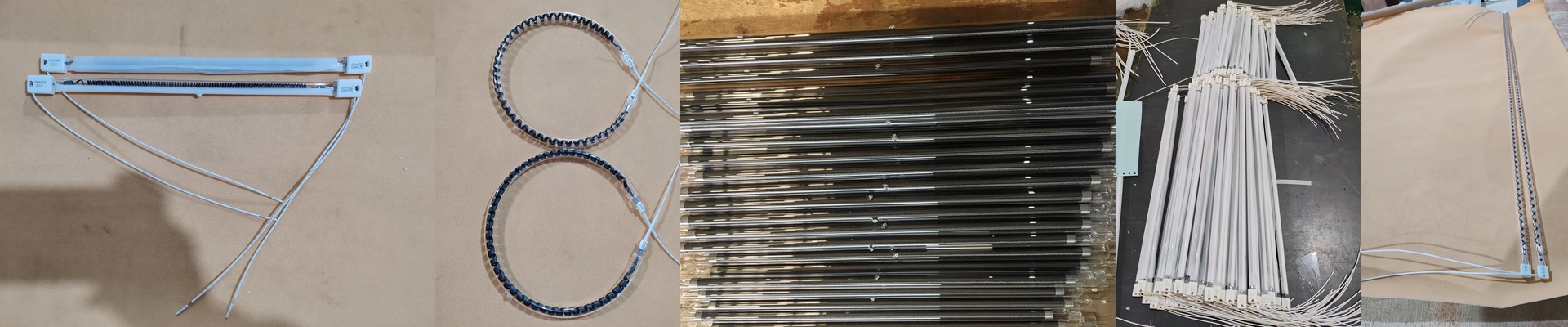
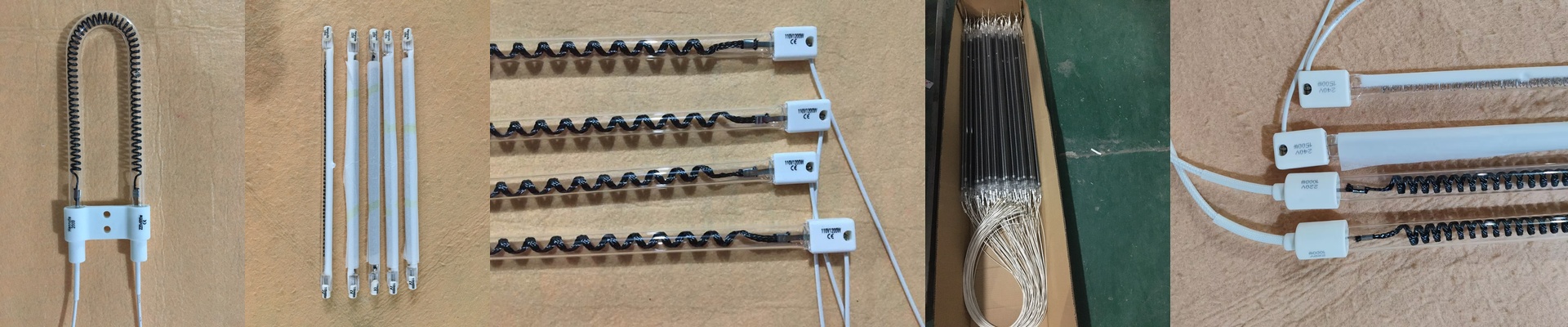
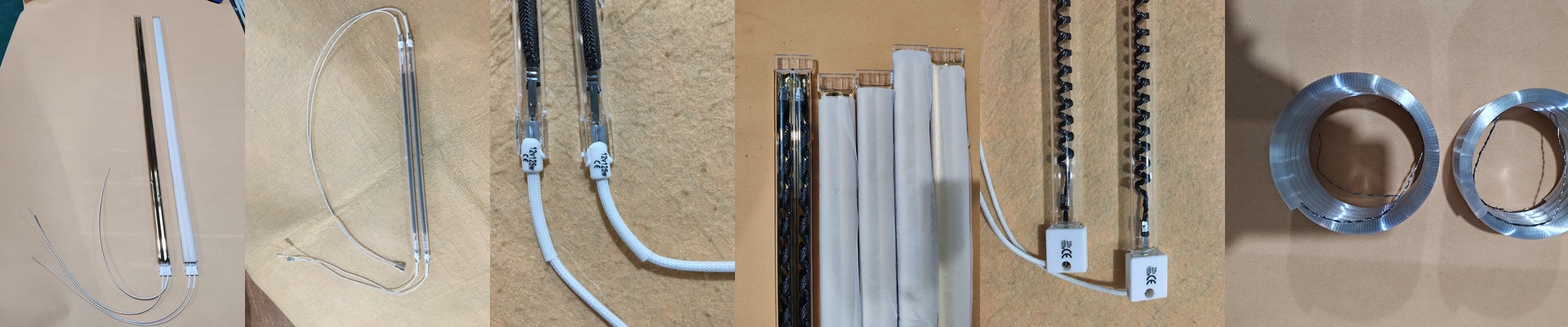
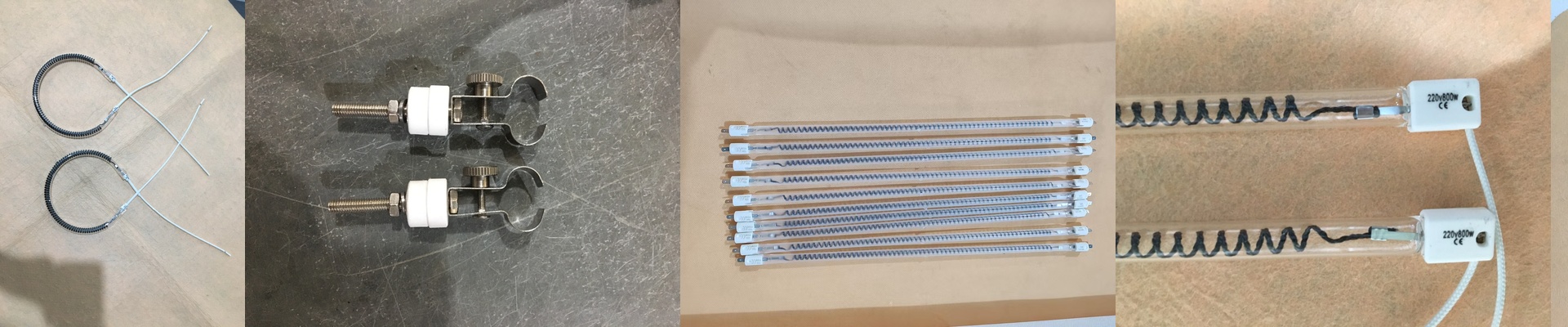
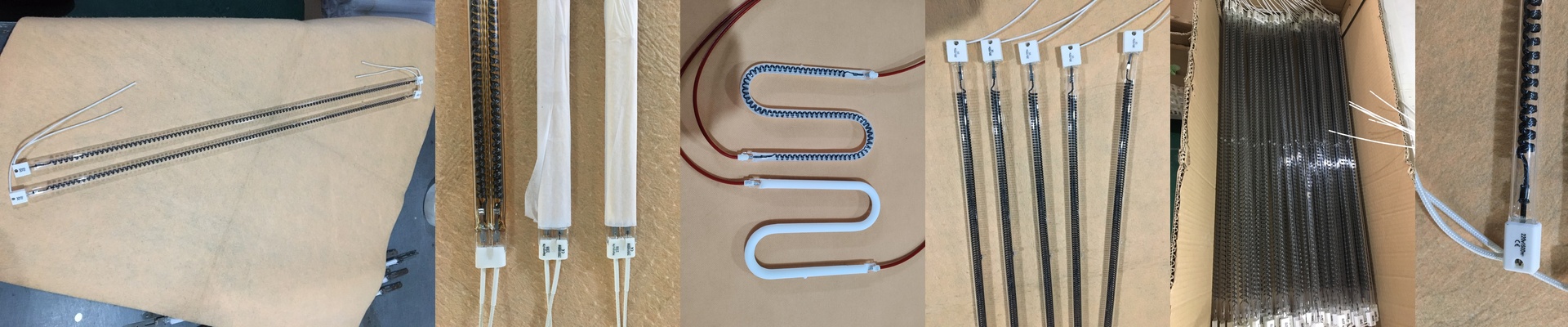
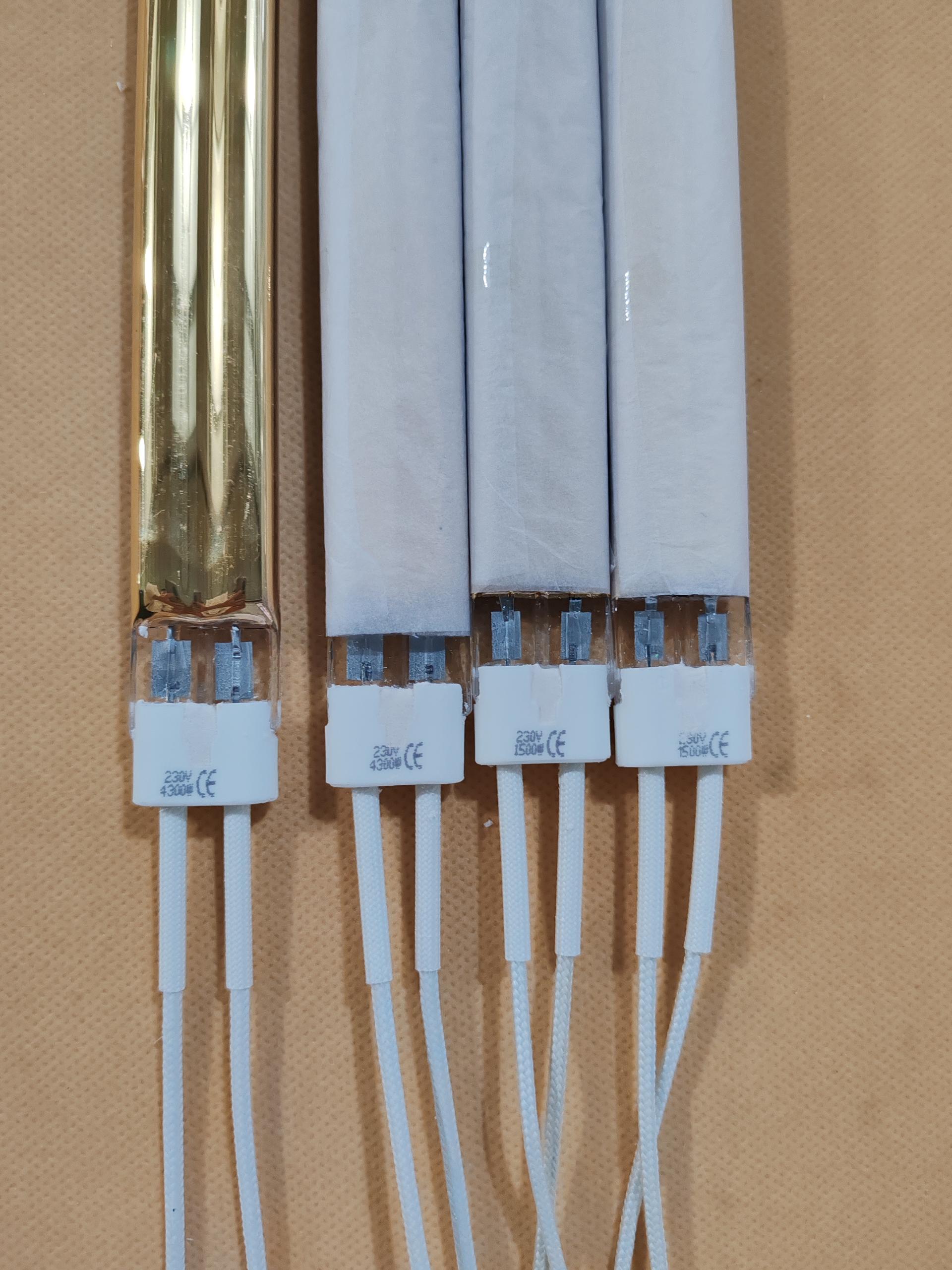
Carbon filament is the reason this lamp can deliver intense heat in a small glass envelope. Carbon handles high current and produces a broad infrared output, which transfers heat efficiently to many industrial materials. The filament geometry is tuned to provide even heat distribution across the target area, reducing hot spots. The envelope is quartz, not standard glass. Quartz withstands the thermal shock of rapid heat-up and resists softening at high operating temperatures. It also has good transmission in the infrared range, so the energy gets out instead of being absorbed by the envelope. Many versions include an internal halogen gas fill. The halogen cycle helps return evaporated filament material back to the hot filament zone, which stabilizes output over time and supports longer service life. This design reduces the rate of blackening that can otherwise dim output. The coating is a practical choice for process cleanliness. A reflective coating on the quartz redirects wasted radiant energy back toward the filament and outward, improving usable heat and protecting surrounding parts from stray radiation. It is not a substitute for proper shielding, but it helps keep the heat focused. For installation, the lamp uses an R7s connector. That bi-pin design is common in linear lamps and gives you straightforward, repeatable wiring. It locks in alignment and reduces the risk of poor contact that can lead to arcing or intermittent heating.
Application & Benefits: Solving Real Process Constraints
This lamp is commonly used where fast heat-up and compact size are the limiting factors. In plastic heating—such as pre-heating parisons, sealing films, or softening localized areas—the 500W output reaches target temperatures quickly, which helps keep cycle times tight. It also works for testing and lab fixtures, where you need repeatable heat at a defined distance. The focused infrared output allows engineers to simulate process heat without heating the entire machine enclosure. The benefit is straightforward: more heat per unit volume. You get high intensity without designing a larger heating block, which saves space and simplifies maintenance. The trade-off is real. A 500W lamp runs hot, and the surrounding hardware must handle the temperature. You need proper reflectors, adequate clearance, and a cooling plan for nearby components. If you spec the lamp correctly—matching voltage, mounting, and shielding—it becomes a dependable, drop-in heat source that keeps process heat where you want it.