Carbon Fiber Heat Lamps for PET Bottle Blowing: Power, Precision, and Performance
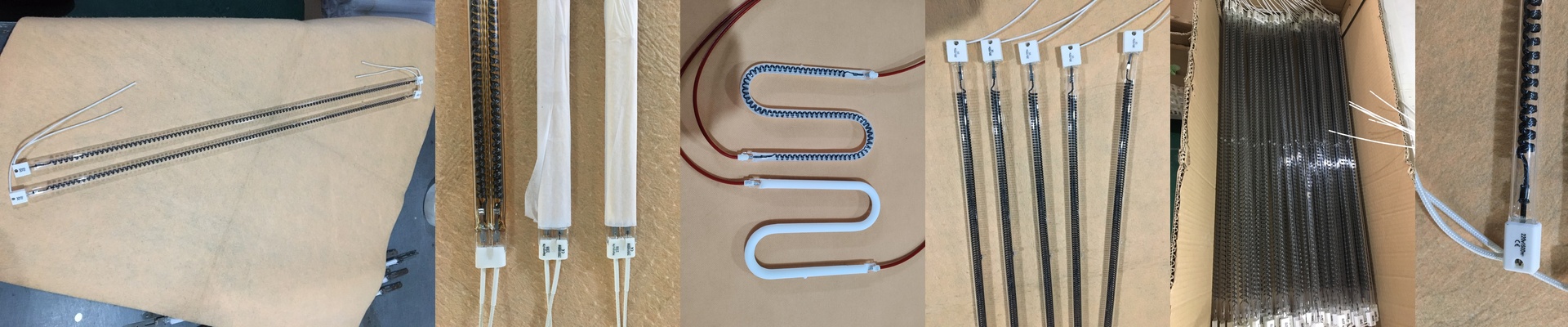
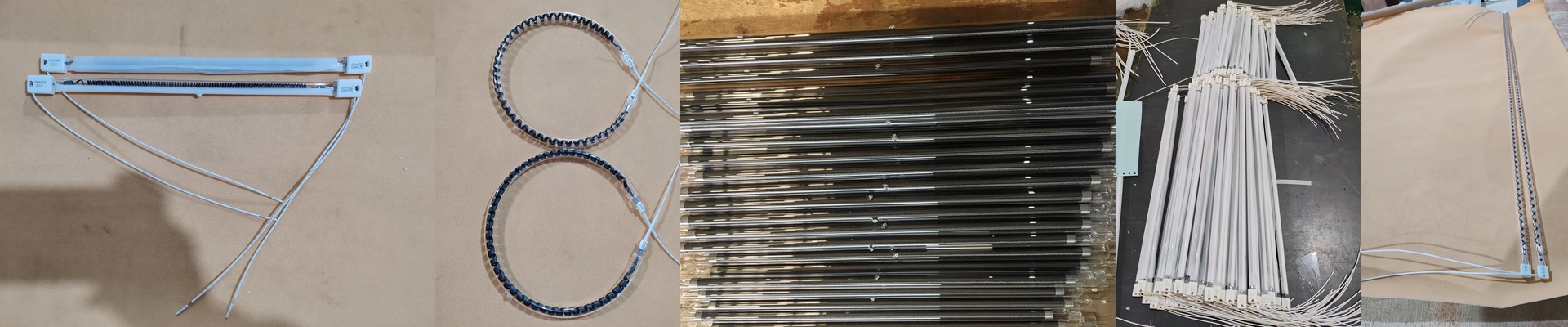
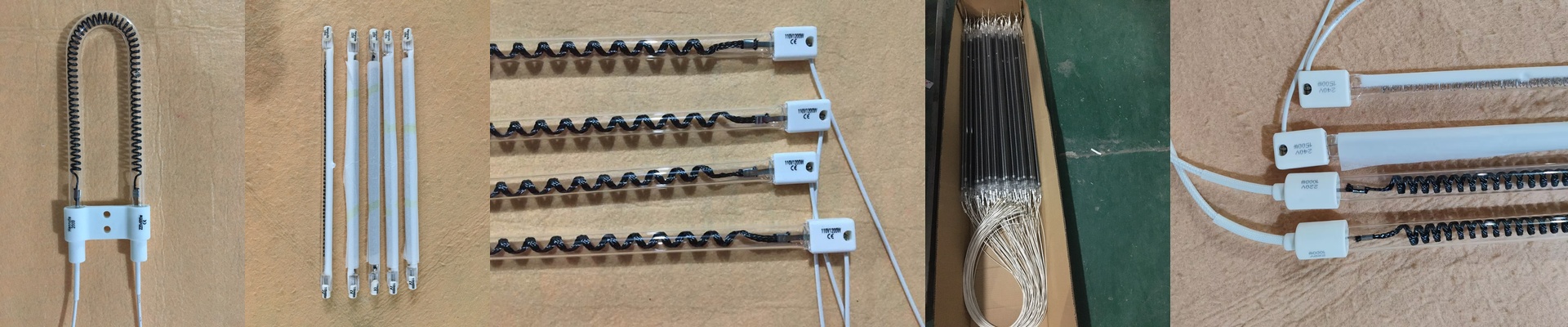
We build carbon fiber heat lamps for one reason: to make your PET bottle blowing line run right. You need heat that hits fast, stays under your control, and softens the preform without burning a single millimeter of it. That’s exactly what these lamps do. They deliver a tight, focused infrared profile—so the heat goes where it matters. And the power ratings—500W, 1000W, 1200W, and 1500W—are chosen to match real machines, not some theoretical wish list.
Power, Voltage, and Size: Matched to the Job
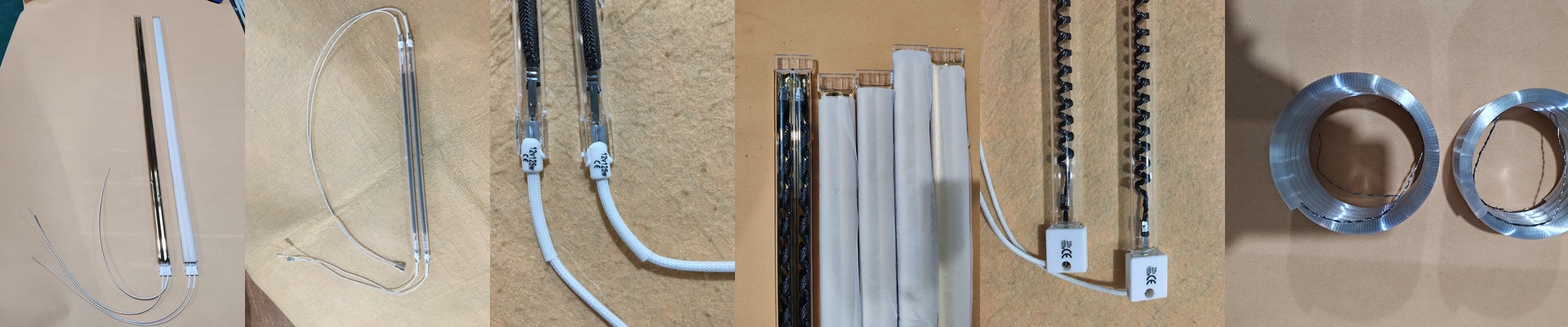
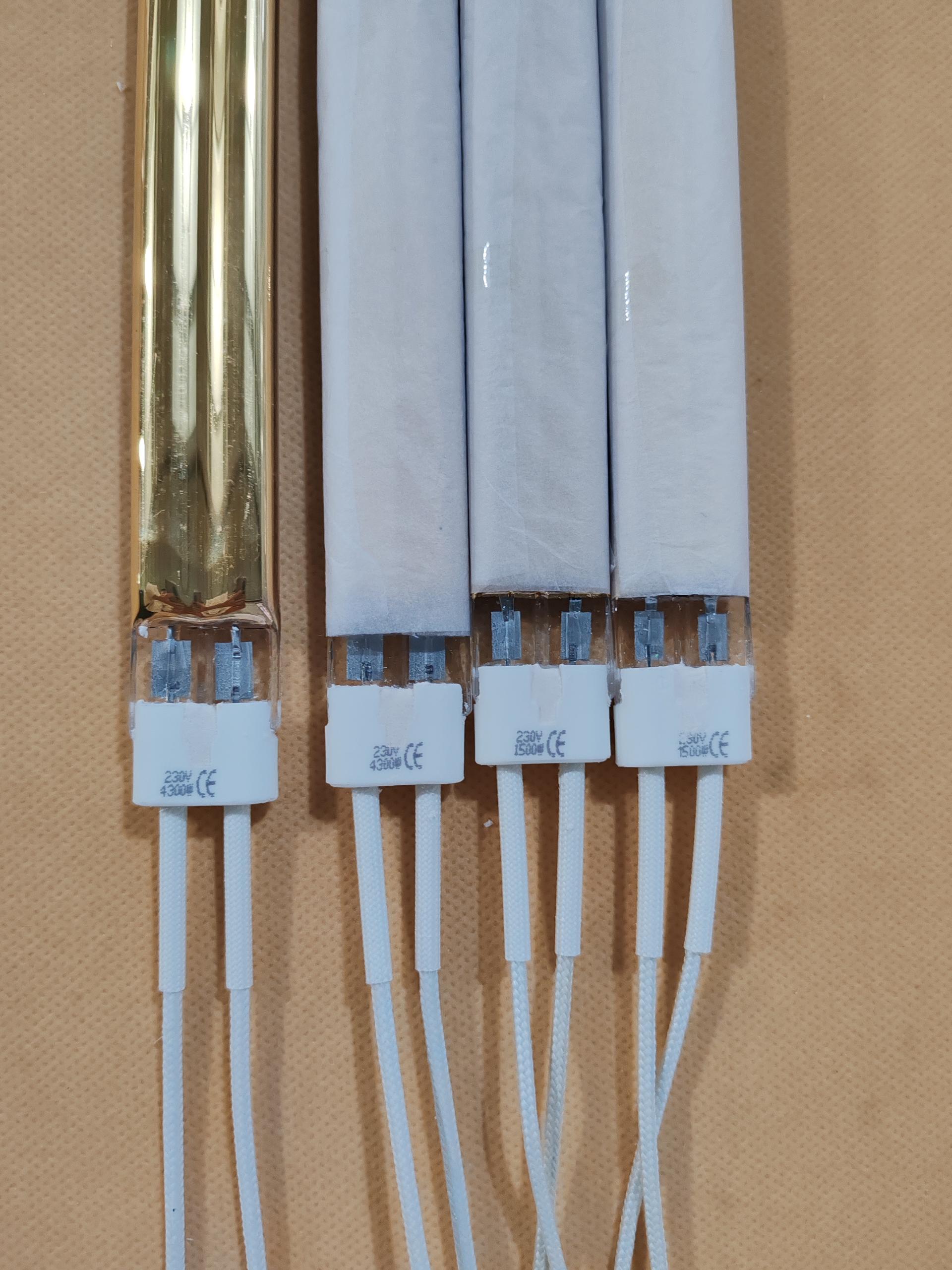
Here’s the thing: those wattage numbers aren’t random. A 500W lamp is your go-to when you’re working in a tight spot and only need heating in one small zone. Step up to 1500W when you’re running larger preforms or pushing the line speed higher. Inside, the carbon fiber filament inside the quartz tube is built for speed. It climbs to temperature quickly and reacts to power changes without that sluggish lag that can ruin your timing. Voltage is matched to your shop’s electrical setup. Spec it correctly and you avoid stressing the control wiring with excess current. Length matters too. Shorter tubes concentrate the heat into a tight zone. Longer tubes spread it out more evenly across the heating section.
What’s Inside: Filament, Quartz, and Connections
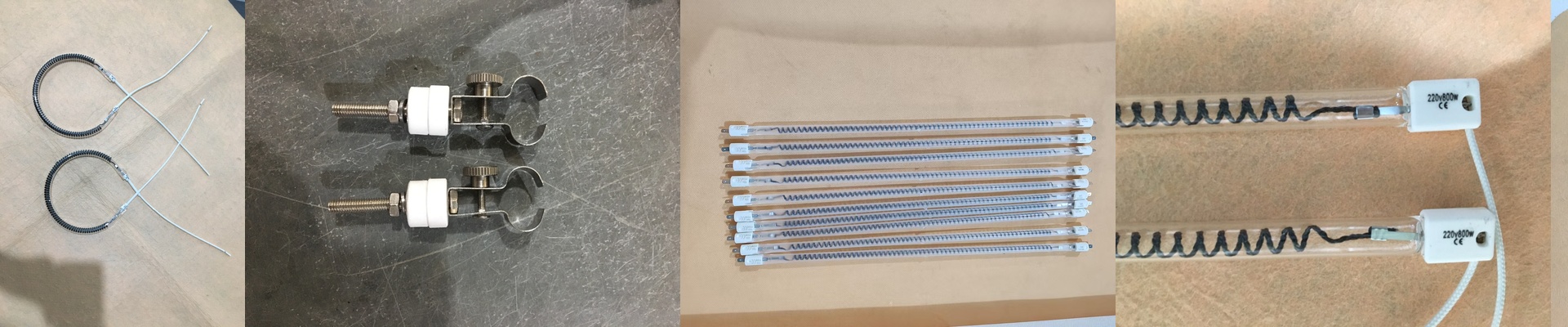
The carbon fiber filament sits inside a quartz envelope. Quartz isn’t just strong—it transmits infrared cleanly and handles repeated heating and cooling far better than standard glass. And the filament itself is engineered to hold steady resistance as temperature shifts, which helps keep power delivery consistent. We use halogen gas to protect the filament, so hot spots don’t chew it up as quickly. That means longer, more stable performance. The ends use standard R7s connectors, so you can wire it in as a direct replacement in most heating modules. No fuss, no redesign—just swap and go.
On the Line: PET Blowing That Stays Consistent
In PET blowing, the lamp has one job: heat the preform surface fast and even. Infrared does that by going straight into the polymer, which cuts preheat time and makes every cycle feel like the last. That kind of repeatable heating gives you a more consistent parison, fewer pinholes, and less scrap. Now, high power density has a reality check: these lamps run hot, and the surrounding components need to handle that heat. Plan your shielding and cooling accordingly. But when the machine is spec’d for the wattage and the lamp is mounted properly, the heating stays predictable. And that’s what keeps the line moving.